

Air Freight China by Sea: A Comprehensive Shipping Comparison
Navigating the complexities of air freight china by sea requires a deep understanding of global logistics networks and cost-efficiency. Choosing the right mode of transport is a critical decision for businesses looking to manage their supply chain effectively. At Top Freight Ltd, we provide the expertise needed to streamline your international shipping operations from origin to final destination. This guide explores the differences between various freight methods to help you make an informed choice for your next cargo shipment.
Why Understanding Air Freight China by Sea Matters
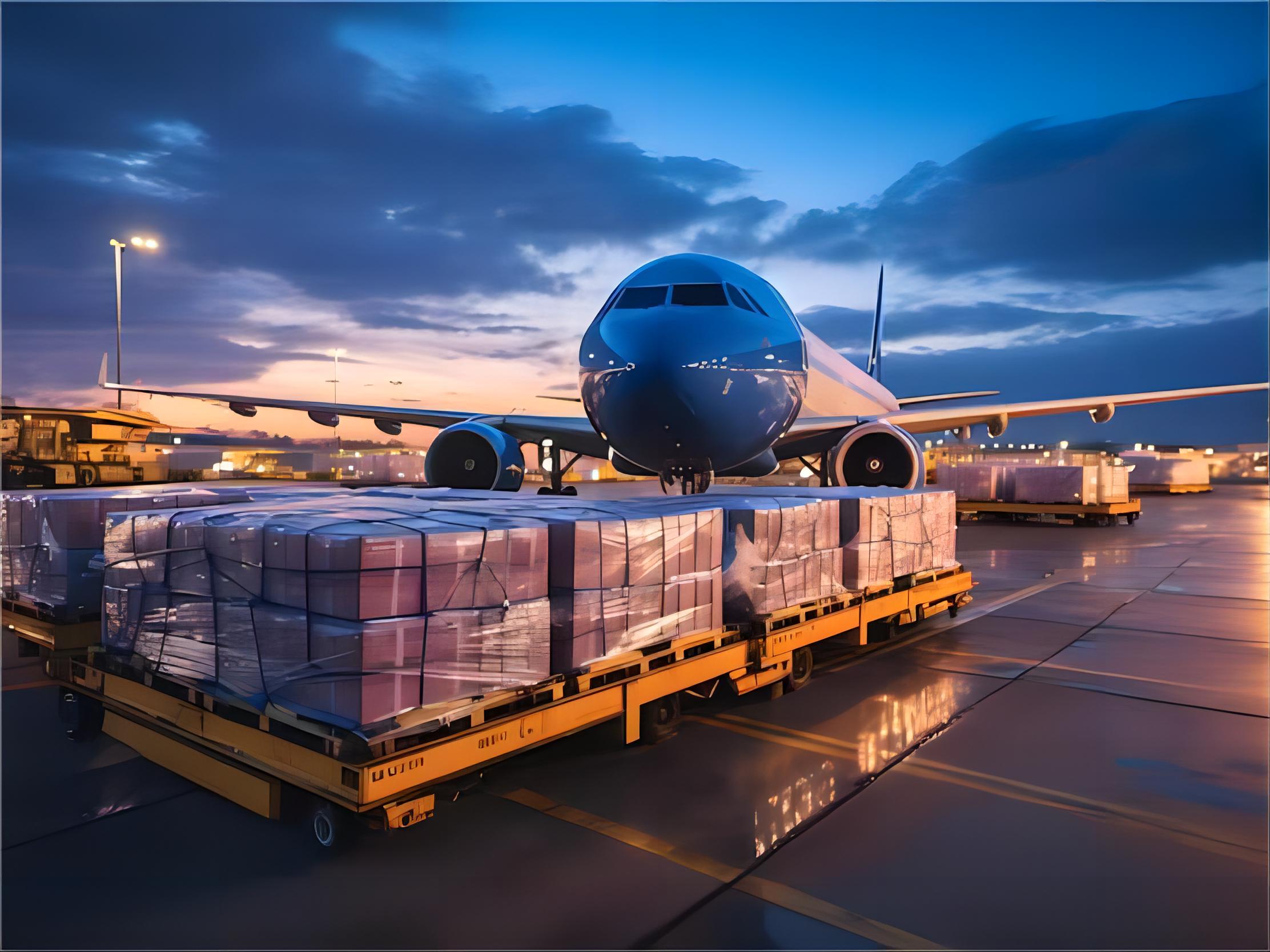
Determining the most efficient way to transport goods involves balancing speed against total expenditure. Many importers struggle to decide between the rapid delivery of planes and the high capacity of ocean vessels. Consequently, understanding the nuances of air freight china by sea is essential for maintaining a competitive edge in the modern market.
Moreover, the choice you make directly impacts your inventory levels and customer satisfaction. If you prioritize speed, you might lean toward faster options despite the higher costs involved. On the other hand, heavy or bulky items often necessitate the use of sea freight to keep margins sustainable.
Furthermore, logistics trends in 2025 suggest that hybrid solutions are becoming increasingly popular. These strategies allow businesses to combine different modes of transport to achieve a balance of cost and speed. Therefore, analyzing your specific cargo requirements is the first step toward a successful shipping strategy.
How Does Air Freight China by Sea Compare to Other Shipping Options?
Comparing different shipping methods requires a look at several key performance indicators. While air freight offers the fastest transit times, it typically comes with a significant price premium. In contrast, ocean transport provides the lowest cost per unit for large volumes of goods.
Additionally, rail and express services offer alternative paths for specific geographical regions. For example, shipments to landlocked areas might benefit from rail connections over traditional maritime routes. Nevertheless, the majority of global trade still relies on the ocean due to its massive scale and efficiency.
To help you visualize these differences, we have prepared a comprehensive comparison of the most common shipping methods available today. This table highlights the trade-offs between cost, speed, and capacity for each option.
| Air Freight | High ($5-10/kg) | 3-7 Days | High-value, urgent |
| Sea Freight | Low ($0.5-1/kg) | 20-40 Days | Bulk, heavy cargo |
| Rail Freight | Medium | 15-22 Days | Inland destinations |
| Sea-Air Hybrid | Medium-High | 12-18 Days | Balanced priority |
Analyzing the Cost of Air Freight China by Sea
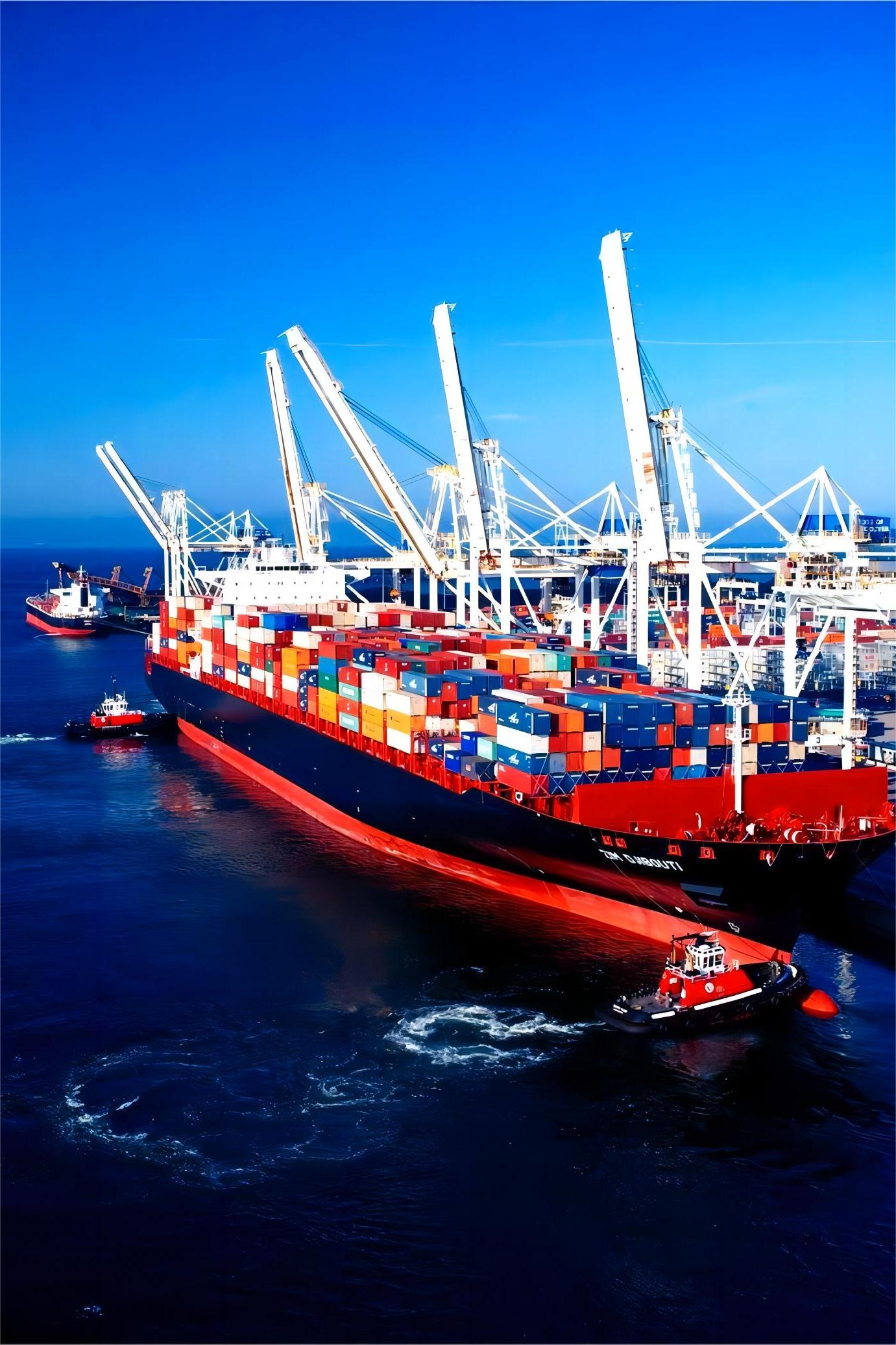
Shipping costs are influenced by a variety of factors including fuel surcharges and seasonal demand. For instance, during the peak season from August to October, freight rates typically increase by 15 to 25 percent. Consequently, planning your shipments in advance can lead to significant savings on your overall logistics budget.
In addition to the base freight rate, you must consider origin and destination charges. These fees cover cargo handling, terminal costs, and documentation processing at both ends of the journey. To ensure accuracy, always request a comprehensive quote that includes all potential line items.
Market data suggests that as of early 2025, rates from China to major global ports have stabilized following previous disruptions. However, volatility remains a factor due to changing carrier capacities and global economic shifts. Note: Freight rates are subject to change based on fuel costs, carrier capacity, and seasonal demand. Contact us for a current quote tailored to your specific shipment.
| China to USA West | $1,500 – $2,200 | $2,800 – $3,800 | 14-18 Days |
| China to Europe | $1,800 – $2,500 | $3,000 – $4,200 | 28-35 Days |
| China to Australia | $800 – $1,200 | $1,400 – $2,000 | 12-18 Days |
| China to UK | $2,000 – $2,800 | $3,500 – $4,500 | 30-38 Days |
Which Option Should You Choose for Your Shipments?
Selecting the right method depends largely on your specific business priorities and cargo characteristics. If your primary goal is to minimize expenditure, then sea transport is almost always the superior choice for large volumes. Conversely, if you are launching a new product or replenishing low stock, the speed of air transport may justify the cost.
Indeed, many companies use a mix of both methods to optimize their inventory flow. For example, you might ship the first 10 percent of an order via air to meet immediate demand while the remaining 90 percent travels by sea. This approach ensures you never run out of stock while keeping the average shipping cost manageable.
Furthermore, you should consider the nature of your goods when making this decision. Fragile or perishable items often require the shorter transit times provided by air services to prevent damage or spoilage. Meanwhile, durable consumer goods and industrial components are perfectly suited for the longer journey across the ocean.
Navigating Customs and Documentation Requirements
Successful international trade relies heavily on accurate documentation and compliance with local regulations. Without the correct paperwork, your shipment could face lengthy delays or expensive fines at the port of entry. Therefore, working with a professional customs brokerage is highly recommended for all importers.
Specifically, you will need a commercial invoice, packing list, and a bill of lading for every shipment leaving China. Depending on the destination, additional certificates such as a Certificate of Origin or specific safety permits may be required. Ensuring these documents are prepared correctly before the cargo leaves the factory is vital.
Moreover, different countries have varying duty rates and tax structures that will affect your landed cost. For instance, shipping to Europe involves navigating the Union Customs Code and VAT requirements. Consequently, having a logistics partner who understands these regional nuances can save you both time and money.
| Commercial Invoice | Valuation of goods | All shipments | Seller/Exporter |
| Packing List | Detail of contents | All shipments | Seller/Exporter |
| Bill of Lading | Contract of carriage | Sea shipments | Carrier/Agent |
| Air Waybill | Contract of carriage | Air shipments | Airline/Agent |

Real-World Case Studies: Air Freight China by Sea in Action
Examining real scenarios helps illustrate how different logistics strategies play out in the real world. These examples show the practical application of shipping choices based on cargo size and urgency. Each case reflects typical market conditions observed in the 2024-2025 period.
Case Study 1: High-End Electronics from Shenzhen to Los Angeles. A tech company needed to move 15 CBM of tablets quickly for a holiday launch. They chose a door to door air service to ensure the products arrived in just 6 days. The total cost was $12,500, but the rapid delivery allowed them to capture peak market demand.
Case Study 2: Industrial Machinery from Shanghai to Rotterdam. A manufacturing firm required two 40HQ containers of heavy equipment. Since the project timeline allowed for a 35-day transit, they opted for sea transport. The ocean freight cost was $4,100 per container, significantly reducing their total landed cost compared to any other mode.
These cases demonstrate that the ‘right’ choice is always situational. While one business prioritizes time, another prioritizes the bottom line. By understanding these trade-offs, you can tailor your logistics strategy to your specific commercial goals.
Alternative Strategies: Sea-Air Hybrid and Cost-Saving Tips
Beyond the standard choices, several alternative strategies can help you optimize your supply chain. One such option is the sea-air hybrid service, which typically involves shipping goods by sea to a hub like Dubai or Singapore and then flying them to the final destination. This method is often 30 to 50 percent faster than sea freight and significantly cheaper than pure air freight.
Another effective strategy involves consolidating multiple small shipments into a single Less than Container Load (LCL) shipment. This allows you to share container space with other importers, paying only for the volume you actually use. Consequently, LCL is an excellent way for small and medium-sized businesses to access competitive ocean rates.
Additionally, improving your packaging can lead to substantial savings over time. By reducing the volume and weight of your boxes, you can fit more units into a single container or reduce your air freight charges. Indeed, small adjustments in product design or packaging can have a massive impact on your total logistics expenditure.
Final Thoughts on Air Freight China by Sea
To summarize, choosing between air freight china by sea involves a careful analysis of your budget, timeline, and cargo requirements. While air transport offers unmatched speed, sea freight remains the backbone of global trade due to its cost-effectiveness and high capacity. By leveraging hybrid solutions and professional customs support, you can build a resilient and efficient supply chain.
As market conditions continue to evolve in 2025, staying informed about logistics trends is more important than ever. Whether you are shipping electronics, textiles, or heavy machinery, the right logistics partner will ensure your goods arrive safely and on time. Remember to weigh the pros and cons of each method carefully to find the balance that works best for your unique business needs.
Ready to streamline your logistics?
Ready to optimize your supply chain with the best shipping solutions? Whether you need the speed of flight or the capacity of the ocean, our team is here to help you navigate every step. Contact Top Freight Ltd today for a customized quote and expert advice on your next shipment from China. Visit our website to learn more and start your inquiry.
Request Quote