
Freight Forwarding Services China by Sea Spain: The Ultimate Guide
Navigating the complexities of international logistics requires a partner who understands the nuances of global trade routes. If you are looking for reliable freight forwarding services china by sea spain, identifying the right balance between cost and speed is essential for your supply chain. This guide provides comprehensive insights into maritime transport, helping you streamline your import operations with confidence.
How Does Sea Freight Compare to Other Shipping Options?
Choosing the right transportation mode is the most critical decision for businesses importing goods from East Asia to the Iberian Peninsula. While sea freight remains the backbone of global trade, other alternatives like air or rail offer different advantages. Consequently, understanding the trade-offs in price and lead times is vital for maintaining a competitive edge.

Air transport offers unparalleled speed for high-value or perishable items that must reach Spanish markets within days. However, the costs associated with aviation are significantly higher, often making it prohibitive for bulky or low-margin products. Meanwhile, rail freight provides a middle ground, offering faster transit than the ocean but at a lower price point than the sky.
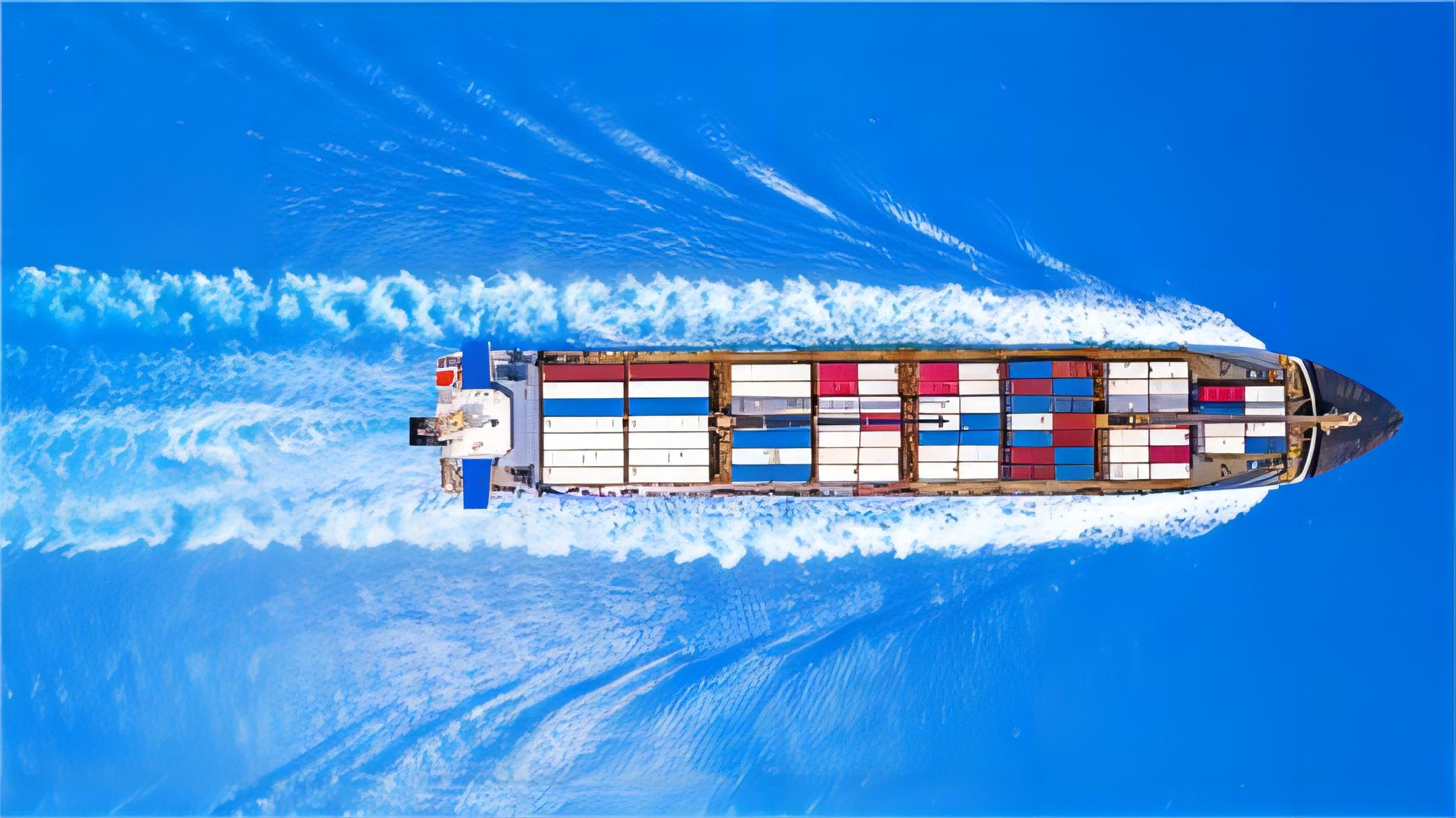
Sea transport remains the most economical solution for large volumes, especially when shipping heavy machinery or consumer electronics in bulk. Furthermore, the environmental impact per ton of cargo is substantially lower when using maritime vessels compared to aircraft. Indeed, most businesses prioritize the ocean for their primary inventory replenishment due to these significant cost savings.
| Shipping Method | Cost Range | Transit Time | Best For | Limitations |
|---|---|---|---|---|
| Sea Freight (FCL) | $2,800 – $4,200 | 30-40 Days | Bulk Cargo | Slow Speed |
| Air Freight | $5.00 – $9.00/kg | 5-8 Days | Urgent Goods | High Cost |
| Rail Freight | $1.50 – $2.50/kg | 18-24 Days | Mid-value items | Route limits |
| Express Service | $8.00 – $12.00/kg | 3-5 Days | Samples | Weight limits |
Which Option Should You Choose for Your Business?
Selecting the ideal method depends heavily on your specific budget priorities and the nature of your cargo. If your primary goal is to minimize expenditure, sea freight is the undisputed leader for shipments exceeding two cubic meters. On the other hand, if you are facing a stock-out situation, the speed of air freight justifies the additional investment.
Volume thresholds play a significant role in determining whether you should book a full container or share space with others. For shipments under 15 cubic meters, Less than Container Load (LCL) is usually more economical than paying for a whole unit. Nevertheless, once your volume exceeds this point, Full Container Load (FCL) becomes more efficient and offers better protection for your goods.
Cargo type considerations are also paramount when planning your logistics strategy from China to Spain. Fragile or temperature-sensitive items might require specialized reefer containers or faster transport modes to ensure quality. Additionally, companies should consider hybrid solutions, such as sea-air combinations, to balance speed and budget during peak seasons.
Major Ports Involved in Freight Forwarding Services China by Sea Spain
China hosts some of the world’s busiest ports, including Shanghai, Ningbo-Zhoushan, and Shenzhen, which serve as primary exit points. These hubs offer frequent departures and competitive rates due to the massive volume of trade they handle daily. Therefore, selecting the origin port closest to your supplier can significantly reduce domestic trucking costs within China.
Spanish ports like Valencia, Barcelona, and Algeciras act as the main gateways for Mediterranean trade routes. Valencia is particularly prominent for containerized cargo, offering excellent connectivity to the rest of the country via rail and road networks. Consequently, your choice of discharge port will influence the final door to door delivery timeline and cost.
Direct shipping routes from China to Spain typically take between 30 and 35 days depending on the specific port pair. Transshipment via hubs like Singapore or Port Klang might add 5 to 7 days to the total transit time but can sometimes offer lower freight rates. Moreover, understanding these maritime schedules helps businesses plan their inventory cycles more accurately.
| Origin Port | Destination Port | Average Transit | Frequency |
|---|---|---|---|
| Shanghai | Valencia | 32 Days | Daily |
| Shenzhen | Barcelona | 30 Days | Weekly |
| Ningbo | Algeciras | 34 Days | Weekly |
| Qingdao | Valencia | 38 Days | Bi-weekly |
Understanding Sea Freight Costs and Market Trends
Freight rates in the maritime industry are notoriously volatile, influenced by fuel prices, carrier capacity, and seasonal demand. As of early 2025, market data suggests that rates have stabilized following the disruptions seen in previous years. However, businesses should still expect price hikes during the peak season from August to October.
Ocean freight for a 40HQ container from China to Europe currently ranges between $3,000 and $4,500 depending on the carrier. In addition to the base freight, shippers must account for bunker adjustment factors and currency fluctuations. Specifically, being aware of these surcharges prevents unexpected expenses from eroding your profit margins.
Local charges at both the origin and destination ports also contribute to the total landed cost of your goods. These include terminal handling charges, documentation fees, and port security levies that are often billed separately. To summarize, always request an all-in quote from your forwarder to ensure full transparency in your logistics budgeting.
Case Study 1: Shipping Consumer Electronics to Barcelona
Route: Shenzhen, China to Barcelona, Spain. Cargo: Consumer Electronics, 28 CBM, 4,500 kg. Container: 40GP. Shipping Details: Major carrier, Direct route. Timeline: Booking to Loading: 4 days, Sea Transit: 31 days, Customs Clearance: 2 days, Total Door-to-Door: 42 days.
Cost Breakdown: Ocean Freight: $3,200, Origin Charges: $450, Destination Charges: $580, Customs and Duties: $1,200. Total Landed Cost: $5,430. Key Insight: Using a direct route saved 6 days compared to transshipment, ensuring the product launch stayed on schedule. Based on Q4 2024 market rates.
Case Study 2: LCL Furniture Shipment to Valencia
Route: Ningbo, China to Valencia, Spain. Cargo: Wooden Furniture, 8 CBM, 1,200 kg. Container: LCL. Shipping Details: Consolidation service via Singapore. Timeline: Booking to Loading: 6 days, Sea Transit: 38 days, Customs Clearance: 3 days, Total Door-to-Door: 52 days.
Cost Breakdown: Ocean Freight: $640 ($80/CBM), Origin Charges: $200, Destination Charges: $350, Customs and Duties: $400. Total Landed Cost: $1,590. Key Insight: LCL was the most cost-effective method for this volume, despite the longer transit time. Typical rates as of early 2025.
Navigating Customs and Documentation in Spain
Importing goods into the European Union requires strict adherence to customs regulations and precise documentation. A professional customs brokerage service is essential for ensuring your paperwork complies with Spanish law. Consequently, errors in the Bill of Lading or Commercial Invoice can lead to expensive port storage fees and delays.
Spanish customs authorities require an EORI number for all businesses engaged in international trade within the EU. Furthermore, you must accurately classify your goods using the correct HS codes to determine the applicable duty rates. Indeed, misclassification is one of the most common causes of customs audits and financial penalties for importers.
Documentation checklists typically include the Packing List, Certificate of Origin, and insurance certificates where applicable. Additionally, certain products like textiles or food items may require extra permits or health certificates from Spanish agencies. Without a doubt, preparing these documents well in advance of the ship’s arrival is the best way to ensure a smooth clearance process.
Cost-Saving Strategies for Your Supply Chain
Optimizing your packaging can lead to significant savings, especially when using LCL services where costs are based on volume. By reducing dead space within boxes, you can fit more products into a smaller footprint and lower your per-unit shipping cost. Moreover, consolidating multiple small orders into a single FCL shipment is a highly effective strategy for regular importers.
Negotiating long-term contracts with freight forwarders can provide price stability in a fluctuating market. While spot rates might be lower occasionally, a fixed contract protects your business from sudden price spikes during peak periods. Furthermore, consider shipping to Europe during the off-peak months of March and April to take advantage of lower demand.
Insurance is another area where businesses can manage risk without overspending by choosing the right coverage level. While it adds a small percentage to the total cost, it protects against the significant financial loss of cargo damage or loss at sea. Finally, utilizing digital tracking tools allows you to manage inventory more tightly, reducing the need for expensive safety stock.
Mastering Your Logistics from China to Spain
Successfully managing freight forwarding services china by sea spain requires a deep understanding of routes, costs, and regulations. By choosing the right shipping method and port pairs, businesses can significantly improve their operational efficiency. Moreover, partnering with an experienced forwarder simplifies the complexities of customs and international documentation.
Freight rates and transit times will continue to evolve, making stay-informed a critical part of your business strategy. Whether you choose FCL or LCL, the key to success lies in careful planning and proactive communication with your logistics partners. Start optimizing your China-Spain trade route today to secure your place in the global market.

Ready to streamline your logistics?
Streamline your international logistics today with Top Freight Ltd. Our team provides tailored freight forwarding services china by sea spain to ensure your cargo arrives safely and on time. Visit our website to request a personalized quote and discover how we can optimize your shipping costs. Visit https://topfreightltd.com/ to get started with our expert logistics solutions.
Request Quote