
FCL Shipping China Small Business: The 2025 Comprehensive Logistics Guide
Growing a startup or a boutique brand requires a robust and scalable supply chain. As your order volumes increase, FCL shipping China small business strategies become the most cost-effective way to manage international logistics. By partnering with a professional freight forwarder like Top Freight Ltd, you can streamline your operations and significantly reduce your landed costs. Consequently, moving from smaller shipments to full containers marks a major milestone in your business growth.
What is FCL Shipping and Why Does Your Small Business Need It?
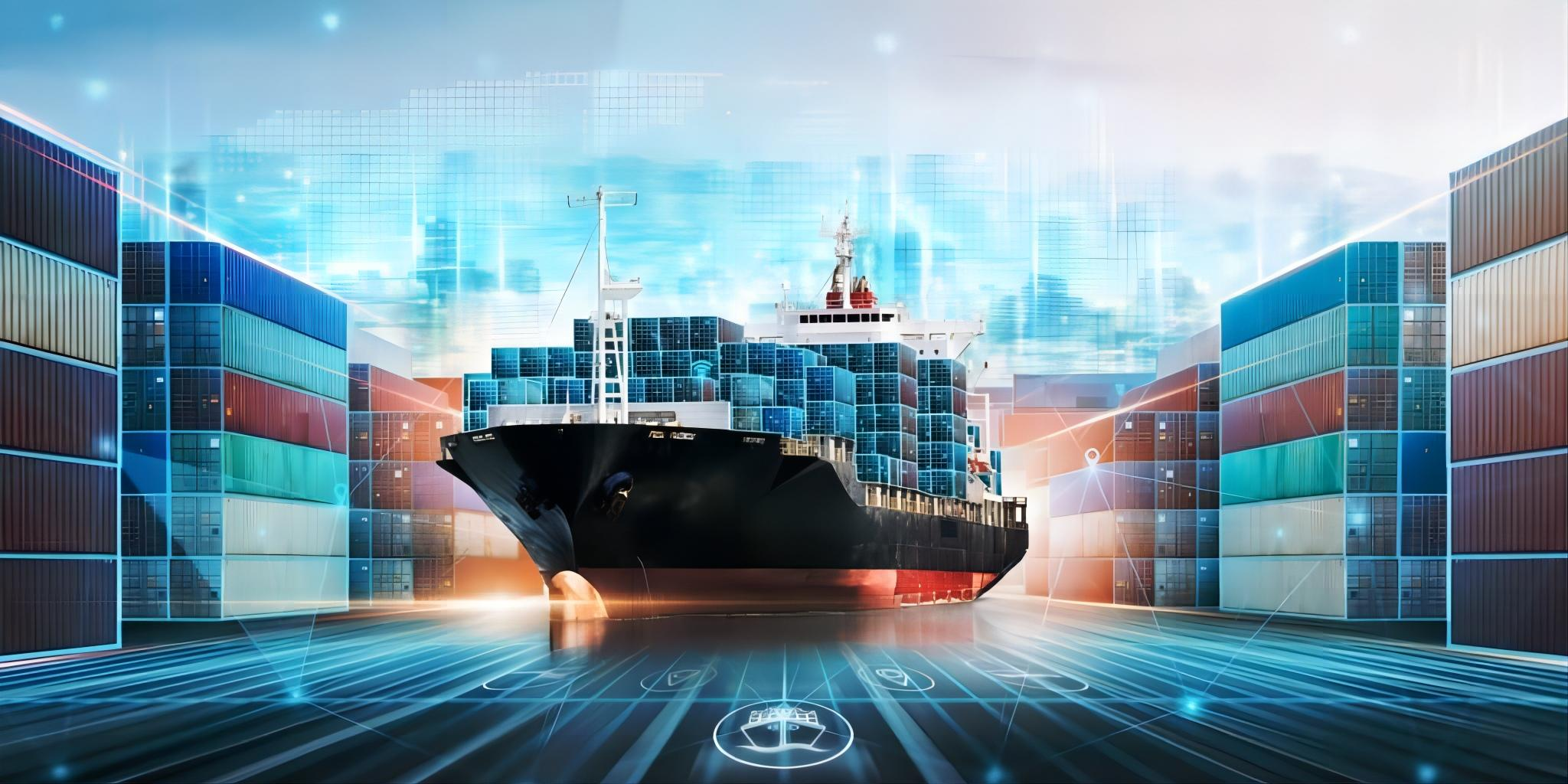
FCL stands for Full Container Load, meaning your goods occupy an entire shipping container exclusively. This method contrasts with LCL, where you share space with other importers. Small businesses often transition to FCL once their cargo volume exceeds 15 cubic meters.
Furthermore, using a dedicated container reduces the risk of damage because your items are not handled frequently during transit. You also gain more control over the loading and sealing process. Indeed, this security is vital for high-value or fragile inventory.
Additionally, FCL is generally faster than LCL because there is no need for consolidation or deconsolidation at the ports. Your goods move directly from the factory to the final destination. Therefore, choosing sea freight in a full container ensures a more predictable delivery schedule.
Moreover, the cost per unit of volume is significantly lower when you book a whole container. This allows you to increase your profit margins on every product sold. In contrast, smaller shipments often carry high fixed fees that eat into your revenue.
How Does FCL Shipping Compare to Other Shipping Options?
Choosing the right logistics path depends on your budget, timeline, and cargo volume. While FCL is the gold standard for large sea shipments, other methods might suit urgent or smaller needs. For instance, air freight offers unmatched speed but comes at a premium price.
Meanwhile, rail freight provides a middle ground for shipments to Europe, offering faster transit than the sea. However, for most small businesses importing from China, the ocean remains the most economical choice. We have compiled a detailed comparison to help you decide.
Note: Freight rates are subject to change based on fuel costs, carrier capacity, and seasonal demand. Contact us for a current quote tailored to your specific shipment.
| Shipping Method | Cost Range | Transit Time | Best For | Limitations |
|---|---|---|---|---|
| FCL Sea Freight | $1,500 – $6,000 | 14 – 40 Days | Large inventory | High upfront cost |
| LCL Sea Freight | $50 – $150 /CBM | 20 – 45 Days | Small batches | Higher damage risk |
| Air Freight | $5 – $12 /kg | 3 – 7 Days | Urgent/High value | Very expensive |
| Rail Freight | $1,200 – $3,000 | 18 – 25 Days | Europe shipments | Inland routes only |
Which Container Option Should You Choose?
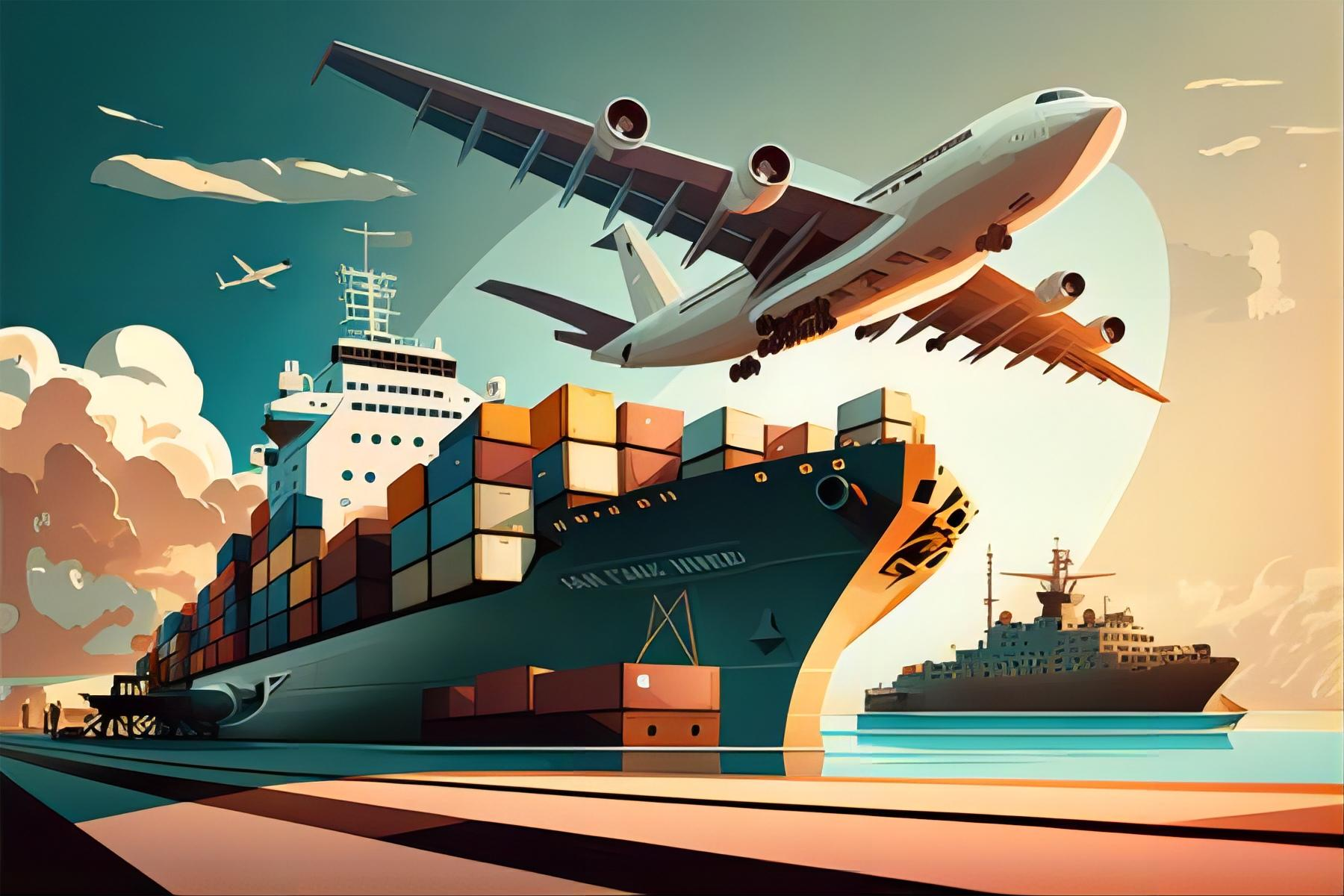
Small businesses must select the right container size to avoid paying for empty space. The three most common options are the 20GP, 40GP, and 40HQ containers. Each serves a specific purpose depending on your cargo’s weight and volume.
For example, the 20GP is ideal for heavy goods like machinery or tiles. On the other hand, the 40HQ is perfect for light but bulky items like furniture or clothing. Consequently, calculating your total CBM is the first step in the booking process.
Moreover, you should consider how your goods are palletized. Standard pallets may not fit perfectly, leading to wasted space. Therefore, optimizing your packaging can save you hundreds of dollars in freight costs.
| Container Type | Max Volume | Max Weight | Typical Use |
|---|---|---|---|
| 20ft Standard (20GP) | 28 – 30 CBM | 28,000 kg | Dense, heavy goods |
| 40ft Standard (40GP) | 56 – 58 CBM | 26,000 kg | General consumer goods |
| 40ft High Cube (40HQ) | 68 – 70 CBM | 26,000 kg | Light, bulky items |
Essential Customs Documentation for Small Business Importers
Navigating international trade laws requires precise documentation. Without the correct paperwork, your container could face lengthy delays or expensive fines at the port. Consequently, many businesses hire a customs brokerage to handle these complexities.
Indeed, the Bill of Lading is the most critical document, acting as a title to your goods. You also need a detailed Commercial Invoice and a Packing List. These documents allow customs officials to verify the value and contents of your shipment.
Additionally, certain products may require specific certificates, such as a Certificate of Origin or a CE certificate for electronics. In light of this, you should always check the import regulations of your specific country before the ship leaves China. Failure to do so can lead to cargo seizure.
Strategic Alternatives: When FCL Is Not the Best Choice
While FCL is efficient, it is not always the perfect solution for every scenario. For instance, if you only have 5 CBM of goods, paying for a full 20ft container would be wasteful. In such cases, LCL remains the more logical financial choice.
Furthermore, if you are testing a new product line, you might prefer a door to door express service. This allows you to receive small quantities quickly and gauge market demand. Once the product proves successful, you can then scale up to FCL.
Meanwhile, hybrid solutions like sea-air are gaining popularity. This involves shipping goods by sea to a hub like Dubai and then flying them to the final destination. Consequently, you get a faster transit time than sea freight at a lower cost than pure air freight.
Real-World Case Studies of FCL Shipping Success
Case Study 1: Electronics Importer to the USA. Route: Shenzhen to Los Angeles. Cargo: 40HQ container of consumer gadgets. Total Landed Cost: $4,200. Transit Time: 18 days. The business saved 30% compared to their previous LCL shipments.
Case Study 2: Furniture Retailer to the UK. Route: Ningbo to Felixstowe. Cargo: 40GP container of home decor. Total Landed Cost: $3,850. Transit Time: 35 days. By using FCL, they eliminated the damage issues they faced with shared containers.
Case Study 3: Industrial Supplies to Australia. Route: Shanghai to Melbourne. Cargo: 20GP container of steel components. Total Landed Cost: $1,450. Transit Time: 15 days. Direct shipping to Australia allowed them to maintain a lean inventory.
Based on Q3 2024 market rates, these examples reflect typical costs for small businesses. However, you should always account for seasonal peaks during the Golden Week or Chinese New Year when rates spike. Planning your shipments 4-6 weeks in advance is highly recommended.

Managing FCL Shipments for Amazon FBA Sellers
Many small businesses today operate through e-commerce platforms. If you are an online seller, utilizing Amazon FBA services for your FCL shipments can simplify your life. The container can be sent directly to an Amazon fulfillment center.
Nevertheless, Amazon has strict requirements regarding how containers are loaded and palletized. You must ensure your supplier follows these guidelines to avoid rejection at the warehouse. Consequently, working with a forwarder who understands FBA requirements is essential.
Furthermore, FCL shipping allows you to keep your popular items in stock during peak shopping seasons. By shipping in bulk, you avoid the high costs of frequent air shipments during the holidays. This strategy is vital for maintaining your ranking on the platform.
Step-by-Step Guide to Booking Your First FCL Shipment
First, request multiple quotes from reputable freight forwarders to compare rates and services. Second, confirm the container type and the ready date with your Chinese supplier. Third, ensure all your export licenses and documents are in order.
Meanwhile, you should decide between Port-to-Port or Door-to-Door delivery. For most small businesses, Door-to-Door is easier because the forwarder handles the trucking at both ends. Consequently, you can focus on marketing and sales while the logistics experts handle the heavy lifting.
Finally, always purchase marine insurance for your cargo. Although FCL is safe, unpredictable weather or port accidents can occur. In light of this, a small insurance premium provides peace of mind for your valuable investment.
Mastering Your FCL Shipping Strategy
To summarize, FCL shipping China small business operations offer a pathway to increased profitability and better inventory management. By choosing the right container size and understanding the cost factors, you can navigate the complexities of international trade with confidence.
Moreover, partnering with an experienced freight forwarder ensures that your goods arrive safely and on time. Whether you are shipping to <a href=”https://topfreightltd.com/shipping-from-china-to-north-america/”>North America</a> or Europe, the benefits of FCL far outweigh the initial logistical hurdles.
In conclusion, start planning your transition to FCL today to give your small business the competitive edge it deserves in the global marketplace.

Ready to streamline your logistics?
Ready to scale your business with reliable FCL shipping China small business solutions? Contact Top Freight Ltd today for a customized quote and expert logistics support. Visit our website to start your inquiry and streamline your supply chain now.
Request Quote