

China Global Logistics Service Express Logistics: 2026 Strategic Shipping Guide
Optimizing your supply chain requires a deep understanding of China global logistics service express logistics to ensure timely deliveries and cost efficiency. Businesses today face increasing pressure to balance speed with rising operational costs in a volatile global market. By partnering with a reliable provider like Top Freight Ltd, you can navigate complex trade routes and secure your cargo during peak seasons. This comprehensive guide explores the latest trends, pricing structures, and strategic alternatives for international shipping from China in 2026.

What is China Global Logistics Service Express Logistics?
China global logistics service express logistics refers to the specialized infrastructure designed to move goods rapidly across international borders using optimized transport networks. In 2026, this sector has evolved to incorporate advanced tracking and automated sorting facilities that significantly reduce human error. Consequently, businesses can now expect higher reliability when shipping high-value or time-sensitive items from major Chinese manufacturing hubs.
Moreover, the integration of smart technologies has allowed for better visibility throughout the entire shipping process. Therefore, shippers can monitor their cargo in real-time, receiving updates on every milestone from pickup to final delivery. This level of transparency is essential for maintaining a lean inventory and meeting the demands of modern consumers who expect rapid fulfillment.
Additionally, choosing the right logistics partner involves evaluating their network reach and their ability to handle various cargo types. For instance, many companies now offer integrated solutions that combine warehousing, packaging, and last-mile delivery. Indeed, a comprehensive approach ensures that every link in the supply chain is optimized for maximum performance and minimal delays.
How Does Express Logistics Compare to Other Shipping Options?
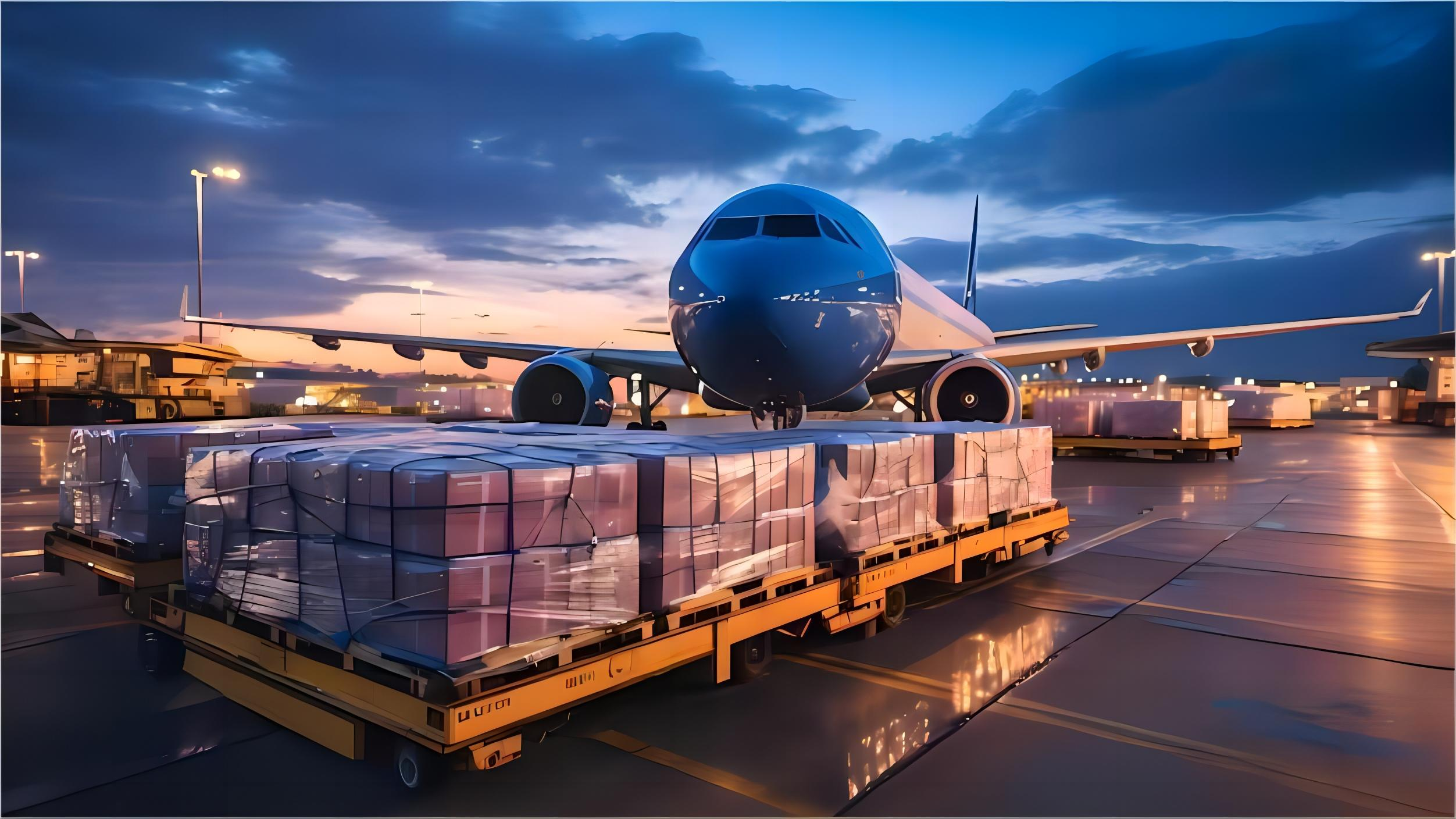
Understanding the differences between shipping methods is crucial for making informed logistical decisions. While express services offer the fastest transit times, they often come at a higher price point compared to traditional methods. For example, utilizing air freight is typically the preferred choice for urgent shipments that need to reach their destination within a few days.
In contrast, sea freight remains the most economical option for large volumes of goods where time is not the primary constraint. Nevertheless, the gap between these methods is narrowing as hybrid solutions become more prevalent in the industry. As a result, businesses must weigh the trade-offs between cost and speed based on their specific inventory requirements and customer expectations.
Furthermore, rail freight has emerged as a viable middle ground for shipments traveling from China to Europe. This method provides a faster alternative to sea transport while remaining significantly cheaper than air cargo. Accordingly, it is often used for medium-value goods that require a balance between budget and delivery schedule.
| Shipping Method | Cost Range | Transit Time | Best For |
|---|---|---|---|
| Express Courier | High ($8-15/kg) | 3-5 Days | Small parcels, urgent docs |
| Air Freight | Medium-High ($4-9/kg) | 5-10 Days | High-value, time-sensitive |
| Sea Freight | Low ($1,500-4,000/FEU) | 25-45 Days | Bulk cargo, large volumes |
| Rail Freight | Medium ($2,000-5,000/FEU) | 15-22 Days | Mid-range transit to Europe |

Which Shipping Option Should You Choose?
Selecting the ideal shipping method depends on several factors, including your budget, the nature of your cargo, and your required delivery timeline. If your primary goal is cost-saving and you have a flexible schedule, you should consider sea freight for your bulk shipments. This method allows for the transportation of massive quantities of goods at a fraction of the cost of other modes.
On the other hand, if you are dealing with perishable items or high-demand electronics, speed becomes the priority. In such cases, express logistics services are indispensable for maintaining market competitiveness and satisfying urgent orders. Furthermore, small shipments under 100kg are almost always more efficient when sent via express courier networks due to simplified customs processes.
To summarize, you should use a budget-priority approach for non-urgent inventory and a speed-priority approach for critical stock replenishments. Additionally, consider the volume of your shipment; for items between 15 and 20 CBM, you might find that a full container is more cost-effective than less-than-container load (LCL) options. Always analyze the total landed cost rather than just the initial freight rate.
Essential Customs Documentation for International Shipments
Navigating the complexities of international trade requires meticulous attention to documentation to avoid costly delays at the border. Working with an experienced customs brokerage can streamline this process and ensure compliance with all local regulations. Consequently, having all your paperwork in order before the cargo leaves China is vital for a smooth transit experience.
Moreover, incorrect labeling or missing certificates can lead to shipments being held in storage, incurring additional fees. Therefore, it is important to double-check every detail, from the Harmonized System (HS) codes to the commercial invoice values. Indeed, proactive preparation is the best defense against unforeseen customs issues that could disrupt your entire supply chain.
Typically, the requirements vary depending on the destination country and the type of goods being imported. For instance, some agricultural products or electronics may require specific safety certifications or import licenses. Meanwhile, standard consumer goods usually only require basic shipping documents to clear through the port of entry efficiently.
| Document Type | Purpose | Required By | Timeline |
|---|---|---|---|
| Commercial Invoice | Valuation and duty calculation | Customs Authorities | At time of booking |
| Packing List | Detailing contents and weight | Carrier and Customs | Before loading |
| Bill of Lading | Contract of carriage and title | Consignee and Carrier | After departure |
| Certificate of Origin | Proving where goods were made | Customs for trade deals | Before arrival |
Real-World Case Studies: Express Logistics in Action
Case Study 1: Urgent Electronics Launch. Route: Shenzhen, China to Los Angeles, USA. Cargo: High-end smartphones, 8 CBM, 1,200 kg. Shipping Method: Premium Express Air. Cost Breakdown: Air Freight $7,200; Origin Charges $450; Destination Charges $600; Total Landed Cost $8,250. Timeline: 4 days door-to-door. Key Insight: Utilizing a direct flight path saved 3 days compared to transshipment, meeting a strict product launch deadline in Q2 2026.
Case Study 2: Industrial Machinery Parts. Route: Ningbo, China to Hamburg, Germany. Cargo: Precision CNC components, 22 CBM (LCL). Shipping Method: Sea-Air Hybrid via Dubai. Cost Breakdown: Total Freight $4,800; Customs $300; Total Landed Cost $5,100. Timeline: 14 days. Key Insight: This hybrid approach saved 40 percent on costs compared to pure air freight while arriving 15 days faster than standard sea freight during the 2026 peak season.
Case Study 3: Fashion Apparel Distribution. Route: Guangzhou, China to London, UK. Cargo: Seasonal clothing, 40HQ Container. Shipping Method: Direct Sea Freight. Cost Breakdown: Ocean Freight $3,800; THC and Documentation $550; Duties $1,200; Total Landed Cost $5,550. Timeline: 32 days. Key Insight: Booking 4 weeks in advance allowed the client to secure a rate 15 percent below the market average for Q3 2026.
Note: Freight rates are subject to change based on fuel costs, carrier capacity, and seasonal demand. Contact us for a current quote tailored to your specific shipment.
Alternative Strategies for Cost-Effective Shipping
In 2026, many savvy shippers are turning to express service alternatives to mitigate rising costs. One effective strategy is the use of regional hubs to consolidate shipments before sending them to their final destination. This approach allows for better volume discounts and more frequent departures, which can significantly reduce the overall lead time.
Additionally, implementing a multi-modal transport strategy can provide the flexibility needed to navigate port congestions. For example, combining sea transport with trucking for the final leg can often be faster than waiting for rail connections in certain regions. Consequently, diversifying your transport methods helps build a more resilient supply chain that can withstand local disruptions.
Furthermore, utilizing a door to door service model simplifies the entire logistics chain by placing all responsibility on a single provider. This reduces the administrative burden on your team and ensures that there are no gaps in communication between different carriers. Indeed, a streamlined process often leads to fewer errors and lower overall costs in the long run.
Future Trends in China Global Logistics Service Express Logistics
As we progress through 2026, the logistics industry is seeing a massive shift toward sustainable and green shipping solutions. Many carriers are now investing in electric delivery vehicles and carbon-neutral warehouses to meet global environmental standards. Therefore, choosing a partner that prioritizes sustainability can enhance your brand image and ensure compliance with future regulations.
Moreover, the use of artificial intelligence in route optimization is becoming a standard practice among top-tier logistics providers. These AI systems can predict weather patterns and port delays, allowing for proactive adjustments to shipping schedules. As a result, the reliability of international express logistics has reached an all-time high, benefiting businesses of all sizes.
Additionally, blockchain technology is being integrated into documentation processes to provide an unalterable record of every transaction. This innovation reduces the risk of fraud and speeds up the verification process at customs checkpoints. Consequently, the entire ecosystem of China global logistics service express logistics is becoming more secure and efficient for global traders.
Mastering Your Global Logistics Strategy
To summarize, navigating the world of China global logistics service express logistics requires a combination of strategic planning and the right partnerships. By understanding the various shipping methods and staying informed about 2026 market trends, you can optimize your operations for both speed and cost. Remember to prioritize documentation accuracy and consider multi-modal alternatives to build a truly resilient supply chain.
Indeed, the logistics landscape is constantly evolving, but the core principles of reliability and efficiency remain the same. Whether you are shipping small parcels or full containers, staying proactive is the key to success in international trade. Start optimizing your logistics today to ensure your business remains competitive in the global marketplace throughout 2026 and beyond.
Ready to streamline your logistics?
Take control of your supply chain today by choosing a partner that understands the nuances of China global logistics service express logistics. Whether you need rapid air delivery or cost-effective sea transport, our team is ready to provide a customized solution that fits your budget. Visit our website to request a competitive quote and discover how we can streamline your international shipping operations in 2026. Send Inquiry: Visit https://topfreightltd.com/
Request Quote