
Shipping From China to Amazon Warehouse Bulk Order: 2026 Guide
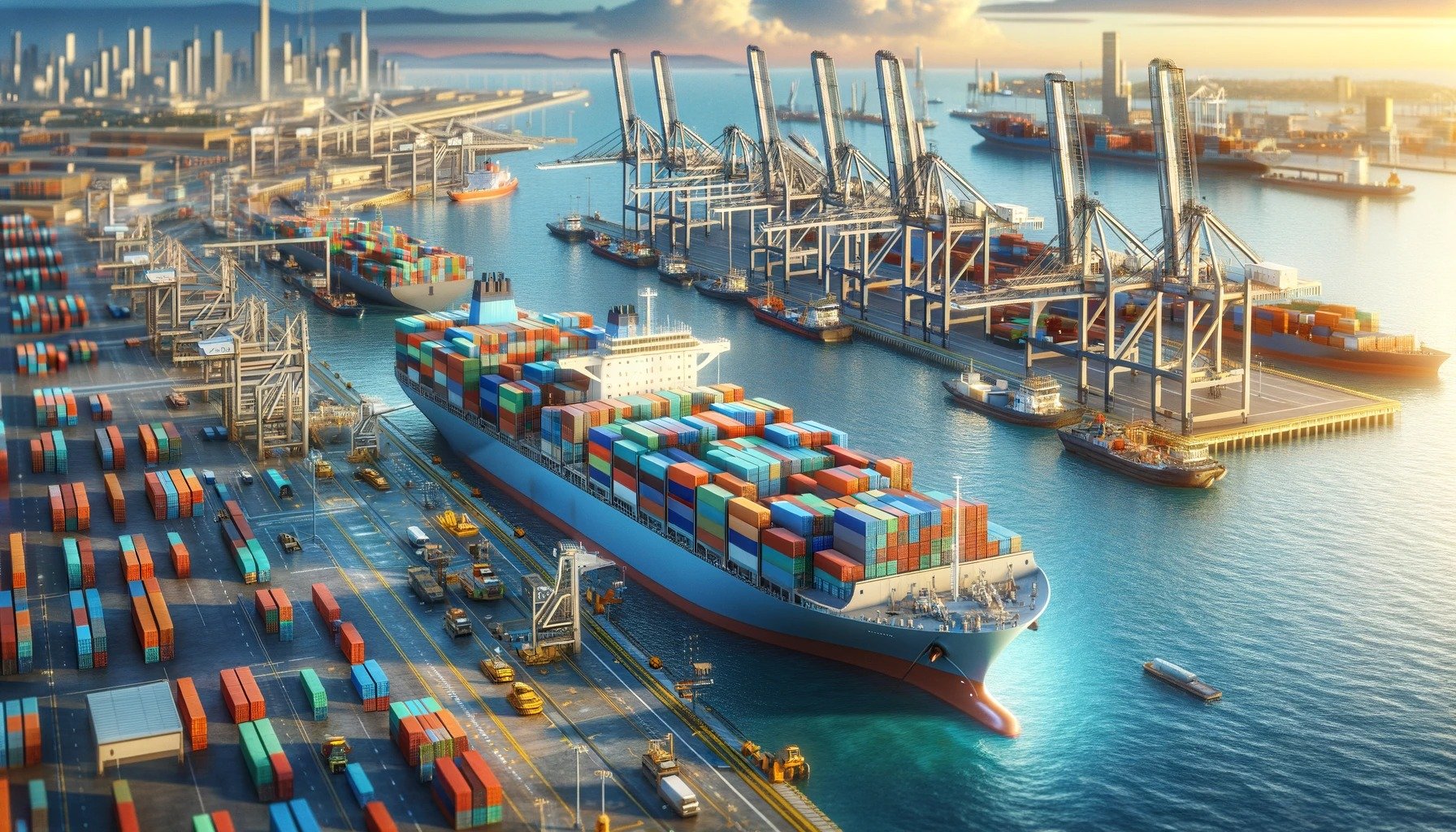
Managing a high-volume supply chain requires precision and reliable partners like Top Freight Ltd. Shipping from china to amazon warehouse bulk order involves complex logistics, but our guide simplifies the process for maximum profitability. Sellers must balance transit times with rising freight costs in the current 2026 market. Consequently, understanding the nuances of bulk cargo logistics is essential for maintaining a competitive edge on the Amazon platform.
How to Optimize Shipping From China to Amazon Warehouse Bulk Order Costs
Sellers often struggle with the rising expenses associated with high-volume inventory movements. Therefore, implementing a strategic approach to shipping from china to amazon warehouse bulk order is the only way to safeguard your margins. You must evaluate every stage of the journey, from the factory floor to the fulfillment center dock.
Furthermore, negotiating better rates with carriers requires a deep understanding of current ocean freight rates 2026. Many businesses find that consolidating smaller shipments into a single large container significantly reduces the per-unit cost. Indeed, bulk cargo logistics thrive on the principle of economies of scale.
Additionally, utilizing door to door services can eliminate the hidden fees often associated with multiple handling stages. By streamlining the touchpoints, you reduce the risk of damage and delays. This approach ensures that your inventory arrives at the Amazon warehouse in pristine condition.
Moreover, market data suggests that early booking is critical in the 2026 logistics landscape. Carriers are prioritizing long-term contracts over spot market bookings due to fluctuating fuel prices. Consequently, locking in your rates at least four weeks in advance is a highly recommended strategy.
How Does Sea Freight Compare to Other Shipping Options?
Sea freight remains the most popular choice for businesses shipping from china to amazon warehouse bulk order. However, it is important to analyze how it stacks up against air and rail alternatives. While sea freight offers the lowest cost, it also requires the longest lead times in your supply chain.
In contrast, air freight provides unmatched speed but at a significant premium that can erode profits on low-margin items. Rail freight has emerged as a viable middle ground for shipments heading to Europe. Nevertheless, for massive bulk orders, the capacity of a container ship is still the most efficient solution.
Below is a comprehensive comparison of the primary shipping methods available for bulk Amazon orders in 2026.
| Shipping Method | Cost Range | Transit Time | Best For |
|---|---|---|---|
| Sea Freight (FCL) | Low ($2,500 – $5,500) | 25 – 40 Days | Bulk Orders |
| Air Freight | High ($5 – $12/kg) | 3 – 7 Days | Urgent Restock |
| Rail Freight | Medium ($1.5 – $3/kg) | 18 – 25 Days | Europe Routes |
| Sea-Air Hybrid | Medium-High | 12 – 18 Days | Balanced Needs |
Understanding FCL vs LCL for Bulk Amazon Shipments
Choosing between Full Container Load (FCL) and Less than Container Load (LCL) is a pivotal decision for your logistics strategy. When shipping from china to amazon warehouse bulk order, FCL is generally the superior choice for volumes exceeding 15 cubic meters. This method provides better security as the container is dedicated solely to your goods.
On the other hand, LCL allows you to share container space with other shippers, which is useful for smaller bulk orders. However, LCL often involves more handling and longer processing times at the port of discharge. This can lead to increased transit time to Amazon FBA centers during peak seasons.
Consider sea freight FCL to minimize the risk of inventory being misplaced during the consolidation process. Most high-volume sellers prefer 40HQ containers because they offer the best value per cubic meter. Properly utilizing this space is a core component of supply chain optimization.
Essential Requirements for Shipping From China to Amazon Warehouse Bulk Order
Compliance with Amazon fulfillment center requirements is non-negotiable for bulk shipments. Failure to follow these rules can result in rejected deliveries or expensive unplanned service fees. Specifically, you must ensure that all pallets meet the strict height and weight limitations set by Amazon.
Labeling is another critical area where errors can cause major disruptions. Every individual unit must have a scannable FNSKU label, and every carton must have an FBA box ID label. Moreover, the pallet labels must be placed on all four sides to facilitate easy scanning by warehouse staff.
Sellers should also be aware of the 2026 palletizing requirements for Amazon. Standard wooden pallets are usually required, and they must be heat-treated to comply with international shipping regulations. Using a professional Amazon FBA logistics provider helps ensure these details are handled correctly.
Navigating Customs and Compliance for 2026 Shipments
Customs clearance for Amazon sellers has become increasingly complex due to new trade regulations introduced in late 2025. Therefore, having accurate documentation is more important than ever to avoid lengthy port delays. You must provide a commercial invoice, packing list, and a bill of lading for every shipment.
Additionally, understanding duty and tax calculations is essential for determining your total landed cost. Many sellers opt for DDP shipping from China to simplify the process, where the forwarder handles all taxes. However, for bulk orders, acting as the Importer of Record (IOR) might offer better tax transparency.
Working with an experienced customs brokerage service can prevent your goods from being held at the border. They stay updated on the latest tariff changes and ensure that your HTS codes are correctly classified. This proactive approach minimizes the risk of audits and penalties from customs authorities.
Urgent Inventory: When to Use Air Freight for Bulk Orders
While sea freight is the standard, sometimes you need to move goods faster to prevent a stockout. In these scenarios, air freight becomes a necessary tool despite the higher cost. Rapidly replenishing your best-selling items helps maintain your sales velocity and search ranking on Amazon.
Interestingly, some sellers use a split shipping strategy to balance cost and speed. They ship a small portion of the bulk order via air to cover immediate demand while the rest travels by sea. This hybrid approach ensures that the Amazon warehouse always has stock available for customers.
According to industry benchmarks, air freight rates in 2026 have stabilized but remain sensitive to jet fuel surcharges. Consequently, it is vital to calculate the ROI of an air shipment before committing your budget. Speed is valuable, but it should never come at the expense of your long-term business viability.
Real Case Studies: Bulk Shipping Success Stories
Analyzing real-world examples provides valuable insights into the practicalities of shipping from china to amazon warehouse bulk order. These cases reflect the market conditions of early 2026 and highlight the importance of choosing the right logistics partner. Each scenario demonstrates a different approach to solving common shipping challenges.
Case Study 1: Electronics Bulk Order to USA West Coast. Route: Shenzhen to Los Angeles. Cargo: 40HQ container of consumer electronics. Method: Sea Freight FCL. Ocean Freight: $3,800. Customs and Duties: $1,200. Total Landed Cost: $5,500. Sea Transit: 16 days. Total Door-to-Door: 24 days. Key Insight: Direct sailing to LA saved 5 days compared to transshipment routes.
Case Study 2: Home Decor LCL Shipment to Europe. Route: Ningbo to Hamburg. Cargo: 12 CBM of ceramic vases. Method: Sea Freight LCL. Ocean Freight: $1,100. Origin/Destination Charges: $650. Total Landed Cost: $2,400. Sea Transit: 32 days. Total Door-to-Door: 42 days. Key Insight: Using a specialized FBA consolidator reduced warehouse handling fees in Germany.
Note: Freight rates are subject to change based on fuel costs, carrier capacity, and seasonal demand. Contact us for a current quote tailored to your specific shipment.

Which Option Should You Choose? Decision Framework
Deciding on the best logistics path depends on your specific business priorities and cargo characteristics. If your primary goal is to minimize FBA shipping costs 2026, sea freight FCL is the undisputed winner for bulk orders. This method is ideal for non-perishable goods with predictable demand cycles.
Conversely, if you are launching a new product and need to hit a specific marketing window, speed might outweigh cost. In this case, air freight or a sea-air hybrid solution would be more appropriate. Always consider the value-to-weight ratio of your products when making this determination.
Finally, volume thresholds play a significant role in the FCL vs LCL decision. Once your shipment exceeds 15 CBM, the cost of a 20GP container often becomes lower than the cumulative LCL fees. Transitioning to full containers is a major milestone for growing Amazon businesses.
| Priority | Recommended Method | Volume Threshold | Strategy |
|---|---|---|---|
| Budget | Sea Freight FCL | > 15 CBM | Slow and Steady |
| Speed | Air Freight | Any Volume | Just-In-Time |
| Reliability | Rail Freight | > 10 CBM | Middle Ground |
| Flexibility | Sea Freight LCL | < 15 CBM | Shared Space |
Final Thoughts on Bulk Amazon Shipping
Successfully shipping from china to amazon warehouse bulk order requires a combination of strategic planning and expert execution. By choosing the right shipping method and staying compliant with Amazon’s strict requirements, you can avoid costly delays and penalties. Furthermore, leveraging the expertise of a professional freight forwarder allows you to focus on scaling your sales while we handle the logistics.
As market conditions continue to evolve in 2026, staying informed about freight trends and customs regulations will remain a top priority. Whether you choose sea, air, or rail, the goal is always to create a resilient and cost-effective supply chain. Start optimizing your bulk orders today to ensure long-term success on the world’s largest marketplace.
Need a tailored shipping solution?
Optimizing your shipping from china to amazon warehouse bulk order is the fastest way to increase your profit margins in 2026. Our team of logistics experts is ready to help you navigate customs, reduce transit times, and secure the best freight rates for your business. Contact Top Freight Ltd today to receive a customized quote and take control of your Amazon supply chain. Send Inquiry: Visit https://topfreightltd.com/