
Cargo Shipping Rate China Global Service: 2026 Logistics Guide
Navigating the complexities of international trade requires a reliable partner to manage your supply chain effectively. At Top Freight Ltd, we provide comprehensive logistics solutions, and you can explore our full range of capabilities at https://topfreightltd.com/. Understanding the current cargo shipping rate China global service landscape is essential for maintaining healthy profit margins in 2026.

Understanding Cargo Shipping Rate China Global Service Factors
Freight rates from China are influenced by numerous variables, including fuel surcharges, seasonal demand, and carrier capacity. Furthermore, global logistics trends indicate that early 2026 rates have stabilized following previous port congestions. Shippers should monitor these fluctuations closely to secure the best pricing.
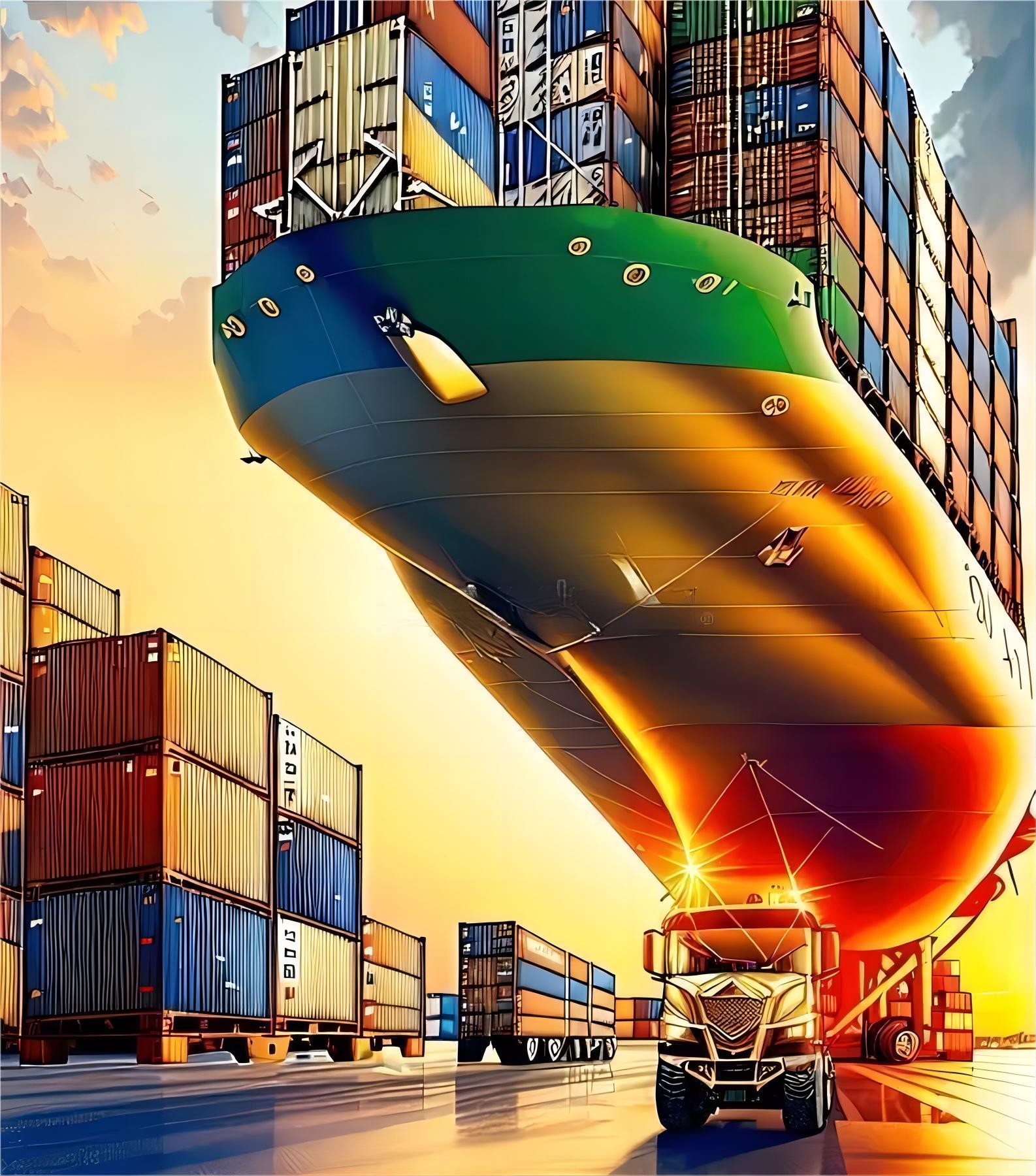
Additionally, the choice between sea freight and other methods significantly impacts your final landed cost. While sea transport remains the most cost-effective solution for bulk goods, air options are necessary for urgent inventory replenishment.
Optimizing Transit Time and Logistics Efficiency
Speed is often as critical as cost when managing a global supply chain. For time-sensitive goods, our air freight services offer unparalleled reliability. Meanwhile, businesses looking for a balance between speed and budget often choose our rail freight solutions for connections to Europe.
Efficient cargo handling requires professional oversight to avoid unnecessary delays. Moreover, utilizing customs brokerage services ensures that your documentation is compliant, preventing expensive hold-ups at borders.
| Method | Cost Range | Transit Time | Best For |
|---|---|---|---|
| Sea Freight | $1,500-$4,500 | 25-45 days | Bulk Goods |
| Air Freight | $5,000-$15,000 | 3-7 days | Urgent Items |
| Rail Freight | $3,000-$6,000 | 15-20 days | Europe Routes |
How Does Sea Freight Compare to Other Shipping Options?
Choosing the right shipping method depends on your specific business needs and cargo volume. For instance, sea freight is ideal for large, non-urgent shipments, whereas air freight serves high-value, small-parcel needs. Consequently, evaluating your transit time requirements against your budget is mandatory.
Furthermore, businesses targeting specific regions should leverage specialized expertise. For example, we offer dedicated support for North America routes to ensure seamless delivery. Always consider hybrid solutions, such as sea-air combinations, to optimize your supply chain further.
Real Case Studies in Modern Logistics
Case Study 1: Electronics Export to Europe. Route: Shenzhen to Hamburg. Cargo: 20 CBM electronics. Method: Sea Freight. Total Landed Cost: $3,200. Transit Time: 32 days. Insight: Early booking during Q1 2026 secured lower off-peak rates.
Case Study 2: Fashion Retail to Australia. Route: Shanghai to Sydney. Cargo: 15 CBM apparel. Method: LCL Sea Freight. Total Landed Cost: $1,400. Transit Time: 16 days. Insight: Consolidating LCL cargo reduced per-unit shipping costs by 15%.
Final Thoughts on Cargo Shipping Rate China Global Service
Successfully managing your logistics requires constant adaptation to market changes and strategic planning. By leveraging professional services, you ensure that your cargo shipping rate China global service remains competitive throughout 2026. Ultimately, partnering with experts allows your business to scale operations efficiently.
Note: Freight rates are subject to change based on fuel costs, carrier capacity, and seasonal demand. Contact us for a current quote tailored to your specific shipment.
Get Your Shipping Quote Today
Are you ready to optimize your supply chain and secure the best cargo shipping rate China global service? Contact our expert team today to request a custom quote and streamline your import operations. Visit our website to get started.
Frequently Asked Questions
What is the cheapest way to ship from China?
Sea freight is generally the most economical method for large, heavy shipments. Using LCL (Less than Container Load) for smaller volumes helps save costs.
How long does sea shipping take?
Typical transit times range from 25 to 45 days depending on the destination port and carrier route. Factors like customs processing can add time.
Are freight rates fixed?
No, freight rates fluctuate based on global fuel prices, seasonal peak demand, and carrier space availability. Monitoring market trends is essential.
What documents are required for shipping?
Standard requirements include a Commercial Invoice, Packing List, and Bill of Lading. Additional certificates may be needed based on product type.
What is the difference between FCL and LCL?
FCL stands for Full Container Load, where you rent the entire container. LCL is Less than Container Load, where you share space with other shippers.
How can I reduce my shipping costs?
Strategies include booking in advance, consolidating smaller shipments into FCL, and choosing slower transit times when inventory levels allow.