

China Golden Week Shipping to Philippines: 2026 Logistics Guide
Managing China Golden Week shipping to Philippines requires precise coordination to avoid the annual capacity crunch that defines the first week of October. As factory closures in China coincide with peak pre-holiday demand, importers often face significant backlogs and rising spot rates if booking windows are not secured well in advance. Top Freight Ltd provides the necessary visibility and carrier allocation to ensure your cargo moves through this volatile window without excessive dwell. This guide details the essential booking checkpoints, documentation requirements, and mitigation strategies for maintaining your supply chain integrity during this high-risk period.
Key Takeaways
China Golden Week typically occurs in the first week of October, triggering a complete shutdown of manufacturing facilities and regional transport hubs.
A 40HQ container provides approximately 68–76 CBM of usable space; aim for 65–70 CBM to ensure safe palletization and weight distribution during peak demand.
Air cargo chargeable weight is calculated as the greater of actual weight or volumetric weight (L x W x H cm / 6000), with a standard airline minimum of 45 kg.
Importers should finalize booking requests at least 21 days before the Golden Week start to secure space before carrier allocations are exhausted.
What Should Buyers Know First About China Golden Week to Philippines?

The primary challenge during China Golden Week is the total cessation of industrial production and logistics operations in China, creating a massive bottleneck for shipments destined for the Philippines. Because factories and local feeder services halt during this period, cargo must be cleared from warehouses and delivered to port terminals well before the holiday begins to avoid significant storage fees and missed sailings. Most international buyers fail to account for the ‘pre-holiday rush’ where booking demand spikes, leading to carrier equipment shortages and elevated container costs for any cargo ready within two weeks of the holiday.
Successful navigation of this period requires an early assessment of your cargo-ready dates and a proactive communication plan with your sea freight partners. If your cargo is ready within the final seven days before the holiday, it is highly likely that it will be rolled to a later vessel, resulting in extended dwell times at the origin port. Managing this risk requires close monitoring of export cut-off windows and ensuring that your local China suppliers have finalized all production cycles before the holiday shutdown begins in earnest.
To mitigate these risks, importers must treat the pre-Golden Week window as a hard deadline for all export-ready documentation. By coordinating with your logistics provider to secure early slot allocations, you can ensure that your goods are gated into the terminal before the terminal congestion reaches its peak. This requires a synchronized effort between your procurement teams and your freight forwarder to verify that all necessary export permits and commercial documents are prepared well before the mid-September deadline for end-of-month outbound volumes.
Field note: Focus on early gate-in to avoid terminal congestion.
Common mistake: Waiting for the last minute to book based on estimated production dates.
Risk alert: Cargo rolled during this period can face 10–14 days of additional dwell.
How Do Routing and Gateway Choices Affect This Lane?
The choice of origin gateway in China significantly dictates the transit stability for cargo bound for Manila, Cebu, or Davao. Major ports like Ningbo, Shanghai, and Yantian handle the bulk of outbound volume, and these hubs face the most severe congestion during the weeks leading up to Golden Week. Choosing a secondary, less-congested feeder port can sometimes provide a faster path to the main vessel, but it increases the number of handoffs and the potential for feeder delays, which are common when regional transport networks are at full capacity.
For shipments destined for the Philippines, the route to Manila North or South Harbor is the most established, but importers should consider the capacity of their destination port to handle the expected post-holiday surge. Efficient routing is not just about the ocean leg; it is about ensuring that your carrier has confirmed space on a direct service that minimizes transshipment risks in hubs like Hong Kong or Kaohsiung. Coordinating these route choices with logistics services early on allows for a more flexible response if specific port segments become overloaded.
When planning your transit, consider the destination infrastructure in the Philippines, as customs clearance delays can exacerbate the impact of any ocean transit disruptions. By vetting your carrier’s direct sailing schedules, you reduce the risk of your container being stranded at a transshipment hub during the holiday week when customer service support is often minimal. Always confirm the destination port’s ability to handle the volume and ensure that your local agent has the necessary capacity to facilitate prompt drayage once the cargo arrives at the Philippine terminal.
| Equipment Type | Internal Volume (CBM) | Max Payload (kg / lbs) | Optimal Commodity Fit |
|---|---|---|---|
| 20ft Standard (20GP) | 28–30 CBM (26 usable) | 21,800 kg / 48,000 lbs | Dense, heavy cargo (machinery, auto parts, metals) |
| 40ft Standard (40GP) | 58–60 CBM (54 usable) | 26,500 kg / 58,400 lbs | General packaged cargo, standard palletized loads |
| 40ft High Cube (40HQ) | 68–76 CBM (68 usable) | 26,500 kg / 58,400 lbs | Bulky, lightweight goods (furniture, textiles, electronics) |
| 45ft High Cube (45HQ) | 85–86 CBM (78 usable) | 27,500 kg / 60,600 lbs | High-volume consumer retail distribution |
Field note: Direct sailings are preferred to avoid transshipment congestion.
Common mistake: Selecting a cheaper, multi-stop route during a high-risk period.
Risk alert: Transshipment hubs often prioritize high-volume lanes, leaving feeder cargo behind.
Cost vs Speed: Decision Rules for Philippines Shipments
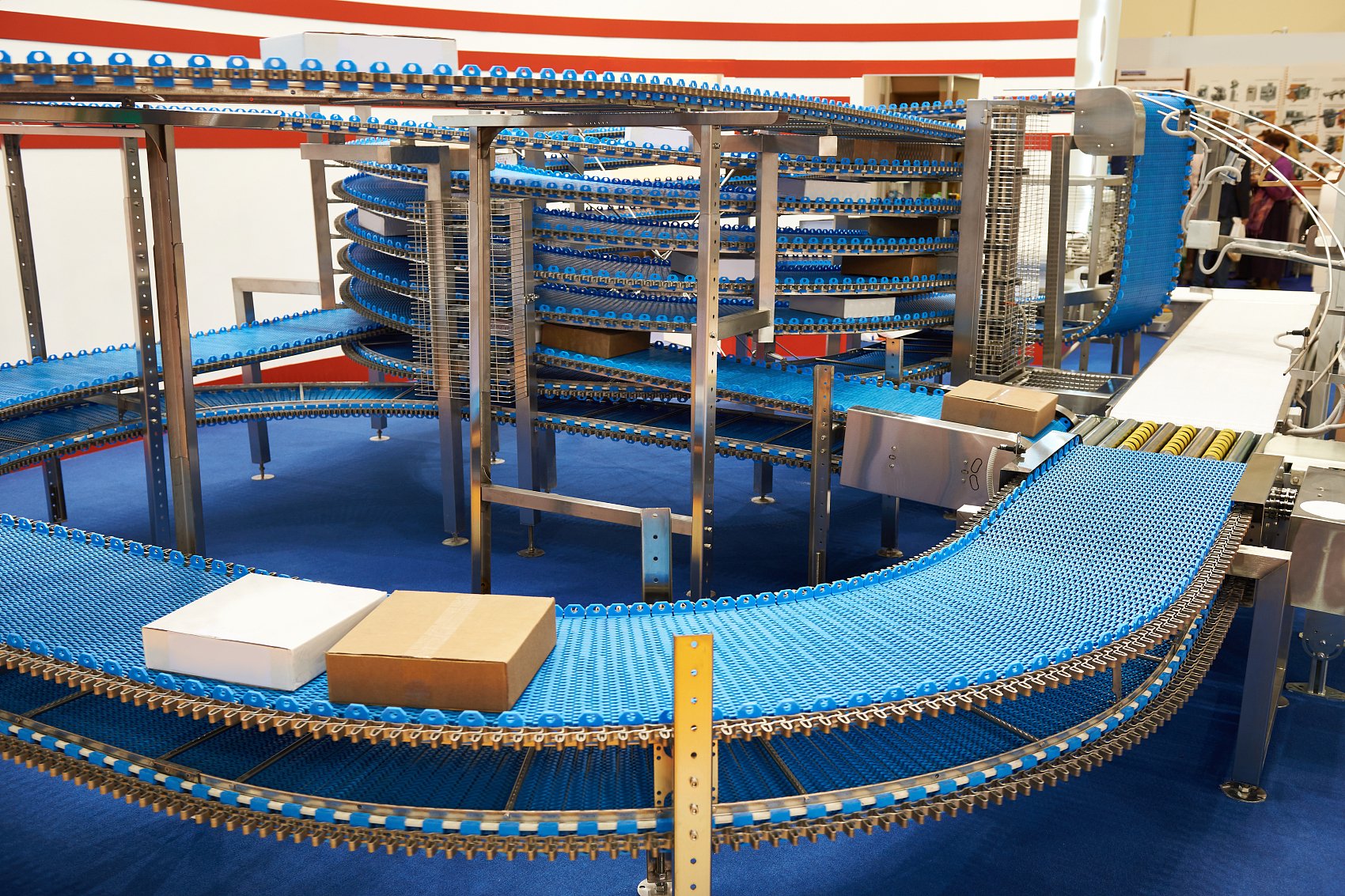
When balancing cost and speed for shipments to the Philippines, the trade-off is often between the lower cost of LCL (Less-than-Container Load) and the reliability of FCL (Full Container Load). During Golden Week, LCL cargo is particularly vulnerable because it relies on consolidated containers that must be filled before they can be processed and gated into the port. If a consolidation warehouse experiences a shortage of cargo due to the holiday, your shipment may be delayed for several cycles, which is a significant risk for time-sensitive inventory replenishments.
For urgent inventory needs, air freight remains the most secure, albeit expensive, alternative to navigate the Golden Week disruption. While the cost premiums for air cargo are substantial during the pre-holiday rush, the transit time is often reduced from weeks to mere days, providing a vital buffer for critical stockouts. Importers should evaluate the ‘cost of stockout’ versus the ‘cost of air freight’ to determine if the premium is justified by the margin on the goods being transported. Utilizing professional air freight services can help secure space on limited flight schedules during this period.
Ultimately, the decision should be driven by the cargo’s shelf life and the inventory turnover rate in the Philippine market. If your goods can tolerate a 14-day delay, LCL or FCL ocean freight is generally the most cost-effective path, provided that the booking is locked in early. However, for high-value items or seasonal goods, the speed of air freight or a premium sea-air service might be the only way to guarantee delivery before the holiday peak fully disrupts the supply chain. Always request an itemized proposal to compare these modes based on your specific weight and volume profile.
Field note: Air freight prices spike in late September; book early.
Common mistake: Choosing LCL for time-sensitive goods without a buffer.
Risk alert: LCL cargo is the first to be deprioritized by terminals during peak congestion.
What Transit Timeline Should You Expect?
Typical transit times for ocean freight from China to the Philippines range from 7 to 14 days, but these estimates are highly subject to change during the Golden Week window. The actual door-to-door timeline is often extended by 5 to 7 days due to terminal dwell at the origin and potential customs delays at the destination. It is critical to build these buffers into your supply chain planning, especially if you are coordinating with just-in-time manufacturing or retail replenishment cycles in the Philippines.
The transit timeline is also heavily influenced by the ‘cargo-ready’ date. If your goods are ready for pickup just before the holiday, you should prepare for a significant delay as trucking capacity in China becomes scarce. Many trucking firms cease operations a few days before the official holiday, meaning that even if your cargo is ready, it may remain in the warehouse for several days. Planning for this ‘pre-holiday dwell’ is essential for maintaining a predictable delivery schedule for your final customers.
To manage these expectations, ensure that your freight forwarder provides real-time milestone tracking for every leg of the journey. By monitoring the movement from the origin factory to the port gate, you can identify potential bottlenecks before they result in a missed sailing. If the tracking indicates that the cargo will miss the preferred vessel, you can immediately pivot to an alternative, such as a different port or an air freight option, rather than waiting for the next available sailing, which could be delayed by the holiday backlog.
| Leg | Days | Risk Level | Notes |
|---|---|---|---|
| Factory to Port | 1-3 | High | Trucking capacity is tight |
| Origin Port Dwell | 3-7 | High | Peak congestion |
| Ocean Mainhaul | 5-10 | Low | Stable transit |
| Destination Customs | 2-4 | Medium | Requires pre-filing |
Field note: Add a 7-day buffer to all standard transit quotes during October.
Common mistake: Using off-season transit times for holiday period planning.
Risk alert: Failure to clear customs promptly in Manila can lead to heavy demurrage.
How Are Landed Costs Typically Built?
Landed cost calculations for shipments to the Philippines must account for more than just the ocean freight rate. They include origin terminal handling charges (OTHC), documentation fees, ocean freight, cargo insurance, destination terminal handling charges (DTHC), and Philippine import duties and taxes. During the Golden Week period, you should also anticipate potential ’emergency’ surcharges if your cargo needs to be expedited or if you are forced to move your goods via a more expensive route due to space constraints.
Importers often overlook the impact of demurrage and detention fees, which can escalate quickly if the cargo is not cleared or picked up within the designated ‘free time’ at the Philippine port. Since the holiday period can cause administrative delays at both the shipping line and the customs office, it is wise to negotiate for extended free time in your contract. This provides a safety net if the logistics chain experiences any hiccups, protecting your margins from unexpected cost spikes that could otherwise erode your profitability.
When working with warehouse services or logistics partners, ensure that all accessorial fees—such as palletizing, labeling, or specialized handling—are itemized in your quote. A comprehensive landed-cost model should also include a contingency budget of 10–15% for the holiday period to cover potential surcharges or last-minute changes to your shipping plan. Transparency in the billing process is key to avoiding invoice shock and ensuring that your landed costs remain within your projected targets for the quarter.
Field note: Always clarify free time before the booking is confirmed.
Common mistake: Calculating landed cost without including destination storage risks.
Risk alert: Demurrage charges in Manila are significantly higher than origin storage fees.
Which Documents and Compliance Checks Apply?
Compliance in the Philippines requires strict adherence to the Bureau of Customs (BOC) regulations, which mandate accurate and timely submission of the import entry declaration. The primary documents required include the commercial invoice, packing list, and the transport document (Bill of Lading or Air Waybill). Any discrepancies in these documents can lead to significant delays and potential fines, especially during the busy period surrounding Golden Week when customs officials are processing high volumes of goods.
Ensuring that your HS codes are correct is the most vital step in preventing customs holds. Incorrect classification can result in incorrect duty assessments or, worse, the seizure of goods for non-compliance. It is highly recommended to perform a pre-shipment compliance audit, ensuring that all product descriptions, values, and quantities match the physical cargo exactly. If you are shipping restricted goods or items requiring special permits, ensure these are finalized and uploaded to the electronic system well before the cargo arrives at the Philippine port.
For importers, the most effective strategy is to engage with a licensed customs broker who understands the nuances of the Philippines-China trade lane. They can help navigate the complexities of duty exemptions or preferential trade agreements, ensuring that your documentation is not only compliant but also optimized for cost. By digitizing your document workflow and verifying all filings 48 hours before vessel arrival, you can significantly reduce the risk of your cargo being flagged for manual inspection during the post-holiday peak.
| Document / Filing | Submission Window | Responsible Party | Clearance Impact |
|---|---|---|---|
| Customs Import Declaration | Prior to cargo discharge | Licensed Broker / Consignee | Terminal demurrage |
| Commercial Invoice & Packing List | Before vessel departure | Shipper / Exporter | Documentation hold |
| Master / House Bill of Lading | Post-departure confirmation | Freight Forwarder | Release freeze |
| Certificate of Origin (if req) | Prior to import duty assessment | Chamber of Commerce | Loss of tariff relief |
Field note: Pre-file your import entries to expedite release.
Common mistake: Providing vague product descriptions on the commercial invoice.
Risk alert: Customs holds during holiday peaks can last for days due to limited staff.
How Do Peak Seasons Affect Capacity and Pricing?
The period surrounding China Golden Week is characterized by a surge in demand that consistently drives up freight rates and constrains carrier capacity. As manufacturers rush to clear their warehouses, the supply of available container space on vessels serving the Philippines tightens, leading to aggressive rate bidding and carrier-imposed surcharges. This is a classic peak-season dynamic that requires importers to move beyond standard spot-rate quotes and consider long-term booking strategies or volume guarantees.
Pricing volatility is a major risk, as carriers may implement General Rate Increases (GRI) or peak-season surcharges (PSS) with very little notice. To manage this, we advise our clients to secure their cargo space at least three weeks in advance, locking in the price and the allocation. By demonstrating consistent volume to your freight forwarder, you can often gain priority status, which is invaluable when carriers are forced to choose which cargo to roll to the next sailing.
Beyond pricing, the availability of equipment—specifically 40HQ containers—becomes a major hurdle. During the frantic pre-holiday weeks, empty containers are often in short supply at inland depots, meaning your cargo might be ready but unable to be containerized. Proactive coordination with your freight forwarding partner ensures that equipment is reserved and staged at the factory location in advance, preventing the kind of operational paralysis that often hits unprepared shippers.
Field note: Secure your booking 21 days in advance to avoid GRI impacts.
Common mistake: Relying on spot-market rates during the peak holiday window.
Risk alert: Carrier equipment shortages can delay your cargo even if the vessel has space.
What Is the Step-by-Step Process from Quote to Delivery?
The process begins with a detailed shipment profile capture, where we define your cargo-ready date, CBM/weight, commodity, HS code, and Incoterms. This foundational data allows us to provide an accurate, itemized proposal that reflects the current reality of the China-Philippines trade lane. Once the scope is finalized, the next step involves mode and service selection, comparing air, LCL, and FCL options to ensure your cargo meets its transit and cost targets while considering the Golden Week risks.
With the service confirmed, we move to the documentation and compliance gate. Here, we align your commercial invoice, packing list, and any specialty filings required by the Bureau of Customs in the Philippines. We then proceed to space booking and cut-off locking, where we reserve carrier space and confirm the export cut-off windows in writing. This proactive communication is the most critical step in ensuring your cargo makes it onto the intended vessel and avoids the dreaded terminal roll.
The final stages involve mainhaul monitoring and destination release. We track your shipment through every port milestone, providing exception alerts if any delays arise. Upon arrival in the Philippines, we coordinate the customs clearance and final-mile delivery to your specified door. By managing every touchpoint of this process, we ensure that your cargo is handled efficiently from the factory floor in China to your warehouse in the Philippines, providing a seamless logistics experience.
Field note: A clear SOP is your best defense against holiday-related delays.
Common mistake: Failing to verify the Incoterms, leading to unexpected destination costs.
Risk alert: Lack of communication between your factory and your broker is the #1 cause of delays.
Decision Framework
By volume: Capture CBM/kg first; under ~2 CBM often fits express/air, mid volumes need LCL/FCL comparison, and oversized lots require dedicated equipment quotes.
By speed: Urgent windows under ~7 days favor air/express; standard replenishment can use ocean or multimodal once cargo-ready timing is locked.
By cargo profile: Flag DG, temperature-control, or oversized handling before award—these change both documentation and carrier acceptance paths.
Real-World Corridor Case Studies
A high-tech manufacturer required 45 cubic meters of precision components to be moved before the Golden Week shutdown. We secured space on a direct service from Yantian, bypassing the holiday-induced feeder congestion. By pre-clearing the documents with Manila customs, the shipment avoided the post-holiday backlog, achieving a 12-day door-to-door transit.
A retail importer needed to reposition a large volume of seasonal furniture before the Philippine holiday shopping season. We utilized a phased consolidation strategy, grouping smaller orders into FCL shipments to optimize costs. Despite the holiday surge, our proactive booking locked in vessel space, ensuring the goods arrived just as the market demand peaked.
Execution Checklist for China Golden Week to Philippines
Successfully managing China Golden Week shipping to Philippines requires a disciplined approach to timing, documentation, and carrier selection. By treating the pre-holiday period as a hard operational deadline, you can secure the necessary capacity and avoid the logistical friction that defines this peak season. Use this guide as your buyer checklist: ensure your data is in, your mode is selected, your filings are ready, and your carrier space is reserved well before the mid-September rush.
Always confirm your free time and final delivery constraints in writing to protect your margins and inventory schedules. If you are ready to streamline your supply chain and need an expert partner to navigate this corridor, request a scoped proposal today. We provide the visibility and logistics support necessary to keep your goods moving, regardless of the seasonal challenges that face the trade lane.
Process and Checkpoints
Shipment Profile Capture
Confirm cargo-ready date, CBM/weight, commodity, HS code, and Incoterms.
Mode & Service Scope Selection
Compare air / LCL / FCL (or specialty) against transit and landed-cost targets.
Documentation & Compliance Gate
Align commercial invoice, packing list, and any specialty filings before booking.
Space Booking & Cut-off Lock
Reserve carrier/co-loader space and confirm export cut-off windows in writing.
Mainhaul & Milestone Tracking
Monitor departure, arrival, and exception alerts against the awarded transit plan.
Destination Release & Delivery
Clear destination formalities and complete final-mile delivery to the agreed door.
Confirm the right route for your shipment
Ready for a scoped proposal on China Golden Week to Philippines? Share your origin and destination, cargo-ready date, CBM/weight, commodity, and Incoterms with our team to lock in your booking today.
Request a route reviewFrequently Asked Questions
How do destination demurrage and detention charges accrue on 40HQ containers?
Demurrage charges accrue when a container remains at the port beyond the allotted free time, while detention applies when the container is not returned to the carrier’s depot after pickup. These fees are calculated on a daily basis and can become significant if customs clearance is delayed.
What hidden accessorial fees often cause freight invoice shocks?
Common hidden fees include peak season surcharges (PSS), terminal handling charges (THC) that were not quoted, late documentation amendment fees, and drayage waiting time charges if the driver is held at the warehouse for more than the allotted free period.
Which documents must be verified prior to requesting a Telex release?
Before requesting a Telex release, you must ensure that all original Bills of Lading have been surrendered to the carrier at the origin, the commercial invoice and packing list are error-free, and all outstanding freight charges have been settled with the forwarder.
How can multi-supplier shippers prevent CFS dead-space penalties?
Shippers can prevent CFS dead-space penalties by consolidating cargo from multiple suppliers into a single master booking. By providing accurate CBM specifications for each supplier to your freight forwarder, they can optimize the load plan to maximize container utilization and minimize empty-space charges.
Which destination customs documents should shippers prepare before sailing?
Align commercial invoice, packing list, and the destination national import declaration with the bill of lading before departure to avoid arrival holds.
Where does the freight forwarder take legal custody of multi-supplier cargo?
The freight forwarder typically takes legal custody of the cargo at the origin CFS (Container Freight Station) or the warehouse where the consolidation occurs. This is the point where they issue the House Bill of Lading, signifying their responsibility for the cargo until it is released at the destination.
Rates and surcharges fluctuate; request an itemized quote.
Informational only; not binding legal/tax/customs advice.
Benchmarks reflect standard 2026 practice for this corridor.