

Essential Guide to Import Export Container Logistics China USA Shipping Service
Navigating the complexities of international trade requires a reliable partner to manage your cargo flow efficiently. At Top Freight Ltd, we provide a comprehensive range of solutions for your business, which you can explore further at topfreightltd.com/. Whether you are a first-time importer or an experienced logistics manager, mastering import export container logistics China USA shipping service is vital for maintaining your competitive edge in the 2026 market.
How to Avoid Demurrage and Detention When Booking Container Equipment to USA
Global trade connectivity between China and the United States relies heavily on structured logistics planning. You must account for various factors including port congestion, vessel schedules, and evolving maritime regulations to ensure your goods arrive on time.
Furthermore, choosing the right transport mode is essential for managing your bottom line. For large-scale inventory, you should consider sea freight to balance costs and transit times effectively.
20GP vs 40HQ: Equipment Sizing Rules
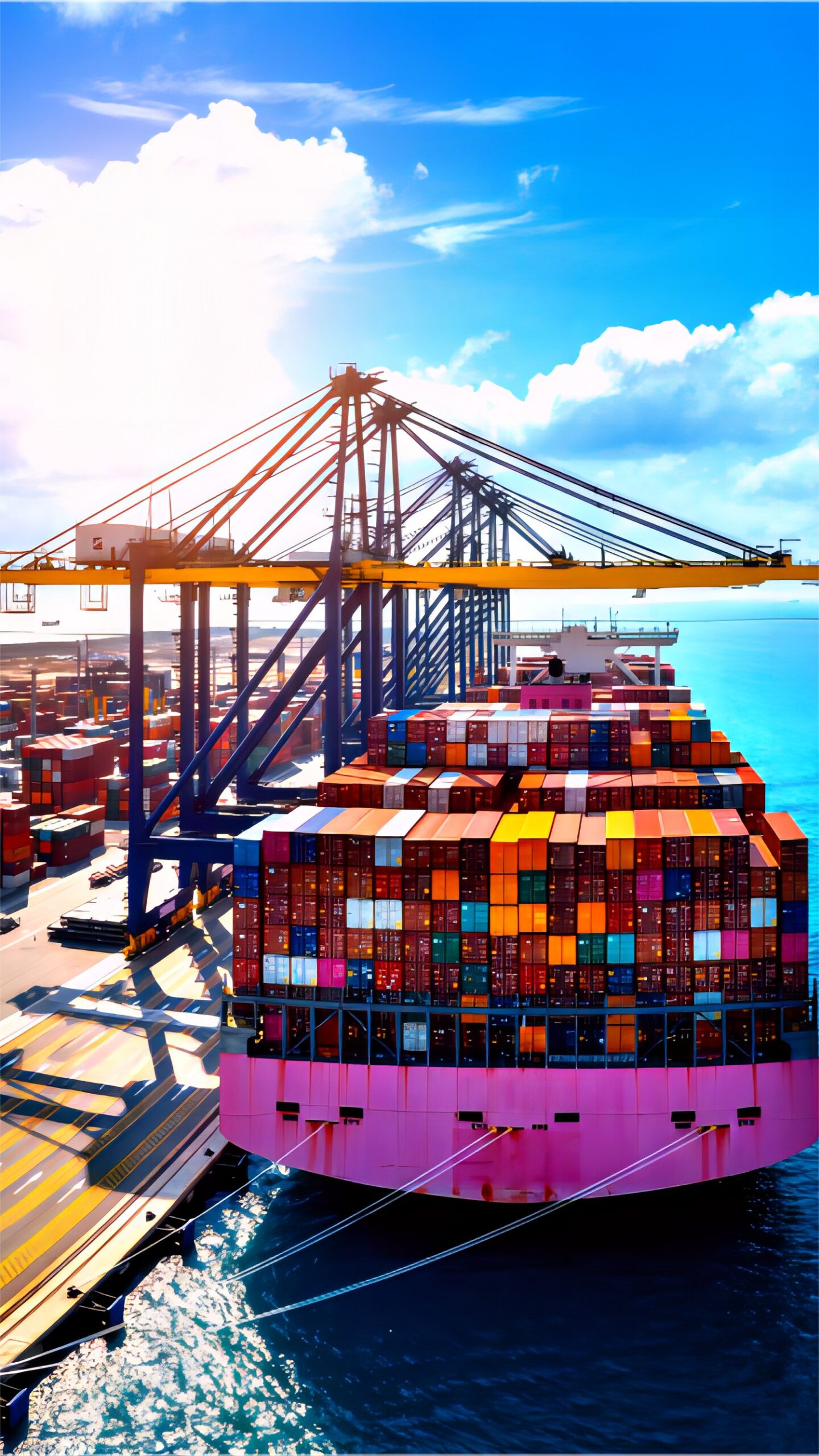
Streamlining your supply chain involves more than just booking a ship. You might need specialized services like Amazon FBA if you are selling directly to consumers, or perhaps you require customs brokerage to avoid costly delays at the border.
Additionally, for time-sensitive materials, air freight provides the fastest transit, though it comes at a higher price point. If you prefer a hands-off approach, our door to door shipping solution handles the entire process from the factory floor to your warehouse.
| Equipment Type | Internal Volume (CBM) | Max Payload (kg / lbs) | Optimal Commodity Fit |
|---|---|---|---|
| 20ft Standard (20GP) | 28–30 CBM (26 usable) | 21,800 kg / 48,000 lbs | Dense, heavy cargo (machinery, auto parts, metals) |
| 40ft Standard (40GP) | 58–60 CBM (54 usable) | 26,500 kg / 58,400 lbs | General packaged cargo, standard palletized loads |
| 40ft High Cube (40HQ) | 68–76 CBM (68 usable) | 26,500 kg / 58,400 lbs | Bulky, lightweight goods (furniture, textiles, electronics) |
| 45ft High Cube (45HQ) | 85–86 CBM (78 usable) | 27,500 kg / 60,600 lbs | High-volume consumer retail distribution |
20GP vs 40HQ: Sizing Decision Rules for USA Container Shipping Imports
When evaluating your options, sea freight remains the most cost-effective choice for bulk shipments. However, it is significantly slower than air alternatives. Consequently, businesses often use a hybrid approach to maintain inventory levels throughout the year.
For instance, shipping small parcels via express services while keeping bulk items on ocean vessels helps maintain a balanced budget. Always verify the current freight rates, as they fluctuate based on fuel surcharges and carrier capacity during peak seasons.
| Equipment Type | Internal Volume (CBM) | Max Payload (kg / lbs) | Optimal Commodity Fit |
|---|---|---|---|
| 20ft Standard (20GP) | 28–30 CBM (26 usable) | 21,800 kg / 48,000 lbs | Dense, heavy cargo (machinery, auto parts, metals) |
| 40ft Standard (40GP) | 58–60 CBM (54 usable) | 26,500 kg / 58,400 lbs | General packaged cargo, standard palletized loads |
| 40ft High Cube (40HQ) | 68–76 CBM (68 usable) | 26,500 kg / 58,400 lbs | Bulky, lightweight goods (furniture, textiles, electronics) |
| 45ft High Cube (45HQ) | 85–86 CBM (78 usable) | 27,500 kg / 60,600 lbs | High-volume consumer retail distribution |
Strategic Gateway Routing for USA Cargo

📦 Case Study 1: Electronics Importer. Route: Shenzhen to Los Angeles. Cargo: 20 CBM electronics. Method: LCL Sea Freight. Total Cost: $2,400. Transit Time: 22 days. Insight: Consolidating cargo helped reduce costs by 15% during peak season.
📦 Case Study 2: Furniture Retailer. Route: Ningbo to New York. Cargo: 40HQ Container. Method: FCL Sea Freight. Total Cost: $5,200. Transit Time: 35 days. Insight: Choosing a direct port-to-port route avoided transshipment delays.
| Equipment Type | Internal Volume (CBM) | Max Payload (kg / lbs) | Optimal Commodity Fit |
|---|---|---|---|
| 20ft Standard (20GP) | 28–30 CBM (26 usable) | 21,800 kg / 48,000 lbs | Dense, heavy cargo (machinery, auto parts, metals) |
| 40ft Standard (40GP) | 58–60 CBM (54 usable) | 26,500 kg / 58,400 lbs | General packaged cargo, standard palletized loads |
| 40ft High Cube (40HQ) | 68–76 CBM (68 usable) | 26,500 kg / 58,400 lbs | Bulky, lightweight goods (furniture, textiles, electronics) |
| 45ft High Cube (45HQ) | 85–86 CBM (78 usable) | 27,500 kg / 60,600 lbs | High-volume consumer retail distribution |
Summary of Logistics Success
Successfully managing import export container logistics China USA shipping service requires strategic planning and a reliable logistics partner. By leveraging the right shipping methods and staying informed on market trends, you can ensure a seamless flow of goods.
As of 2026, freight rates and transit times remain dynamic, making professional guidance more valuable than ever. Stay ahead of the competition by refining your logistics strategy today.
Confirm the right route for your shipment
Ready to optimize your supply chain? Contact Top Freight Ltd today to request a custom quote and streamline your import export container logistics China USA shipping service. 📩 Send your inquiry now to get started.
Request a route reviewFrequently Asked Questions
What is the fastest way to ship from China to the USA?
Air freight is the fastest shipping method, typically delivering goods within 5 to 10 days. For extremely urgent shipments, express courier services can reduce transit time to as little as 3 to 7 days.
How can I reduce my shipping costs?
You can reduce costs by consolidating smaller shipments into LCL containers, booking during off-peak seasons, and optimizing your packaging to maximize container space. Planning your shipments well in advance is also crucial.
What documents are required for US customs?
Essential documents include the Commercial Invoice, Packing List, Bill of Lading, and Arrival Notice. Depending on the product, you may also need specific certificates of origin or import licenses.
Does port congestion affect transit times?
Yes, port congestion can significantly delay container arrivals. Major hubs on the US West and East Coasts often experience seasonal bottlenecks that impact overall delivery schedules.
What is the difference between FCL and LCL?
FCL stands for Full Container Load, where you rent an entire container. LCL stands for Less than Container Load, where your cargo shares space with other shippers, making it more affordable for smaller volumes.
How often do freight rates change?
Freight rates fluctuate weekly based on fuel prices, carrier capacity, and global demand. It is recommended to request a quote close to your intended shipping date for the most accurate pricing.