
China to Australia Shipping Professional: Expert Logistics Solutions
Finding a reliable china to australia shipping professional is the most critical step for any successful import business. Many importers face significant challenges such as rising shipping costs, complex customs regulations, and unpredictable delivery schedules. However, partnering with an experienced logistics expert ensures that your cargo moves efficiently through every stage of the global supply chain.
What Does a China to Australia Shipping Professional Do?
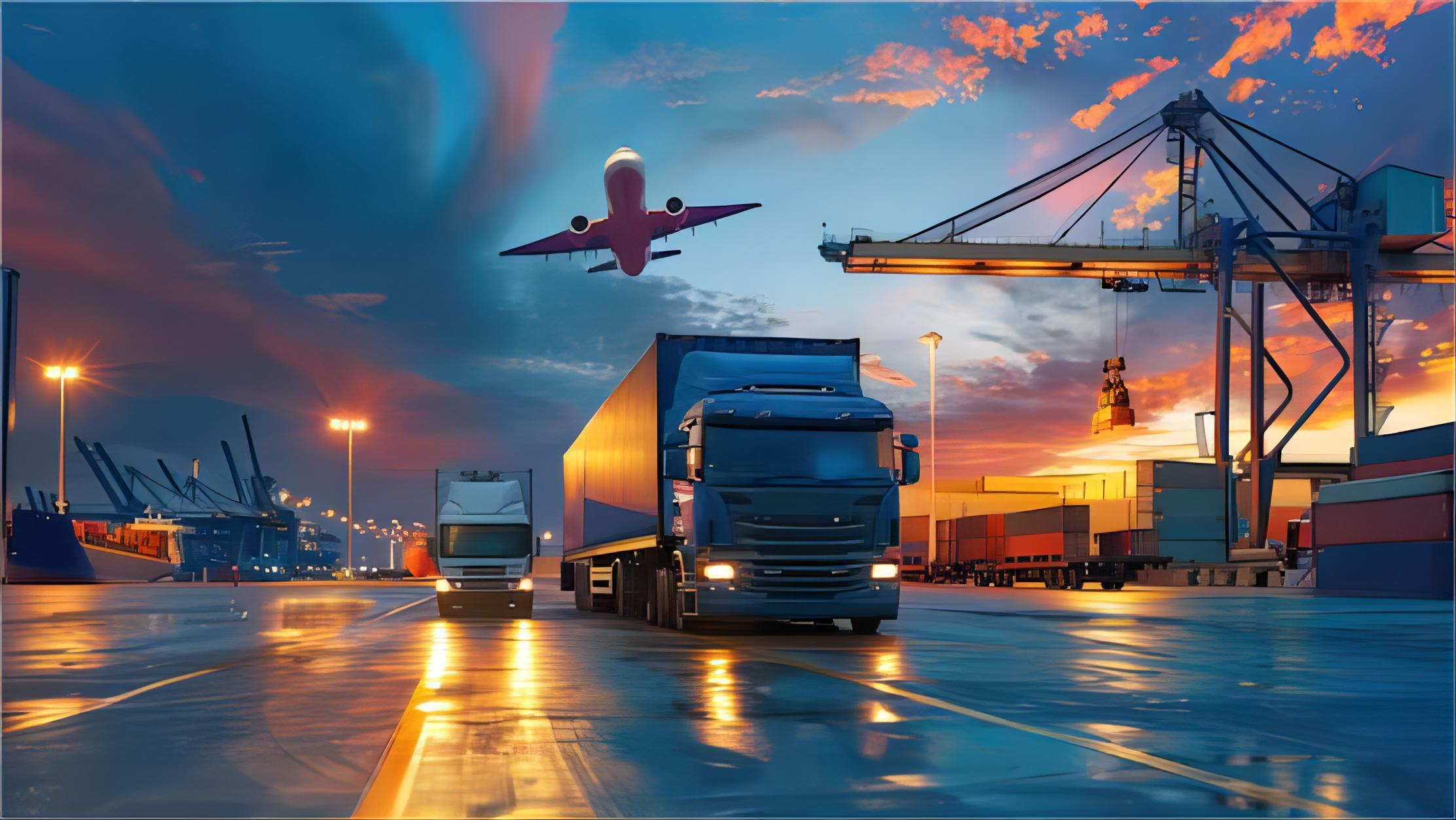
A dedicated logistics expert manages the entire transportation process from the factory in China to your doorstep in Australia. They handle complex tasks such as carrier negotiations, cargo insurance, and local trucking arrangements. Moreover, they act as a bridge between manufacturers and shipping lines to minimize potential delays.
Furthermore, these professionals provide essential guidance on the best shipping routes and equipment types for your specific cargo. They analyze current logistics trends to offer the most competitive freight rates available in the market. Consequently, businesses can focus on growth while the shipping professional manages the heavy lifting of international transport.
In addition, they ensure that all cargo handling meets strict safety standards to prevent damage during transit. This comprehensive oversight is vital for maintaining a healthy supply chain and ensuring customer satisfaction. Indeed, the right partner transforms a complicated process into a streamlined business operation.
How to Choose the Best Shipping Method for Your Cargo
Selecting the right transport mode depends heavily on your budget, timeline, and cargo volume. For instance, sea freight remains the most popular choice for large shipments due to its cost-effectiveness. Meanwhile, businesses with urgent inventory needs often prioritize speed over cost savings.
Additionally, air freight provides the fastest transit time for high-value or perishable goods. Although the cost per kilogram is higher, the reduced lead time can be a significant competitive advantage. Therefore, you must weigh the financial costs against the necessity of rapid delivery.
For smaller parcels or samples, an express service is often the most practical solution. These services offer simplified pricing and rapid door-to-door delivery without the need for complex documentation. Accordingly, many e-commerce sellers rely on express shipping to maintain low inventory levels.
| Method | Transit Time | Cost Level | Best For |
|---|---|---|---|
| Sea Freight (FCL) | 12-25 Days | Low | Large volume bulk cargo |
| Sea Freight (LCL) | 18-30 Days | Medium | Small business shipments |
| Air Freight | 3-7 Days | High | Urgent or high-value goods |
| Express Shipping | 2-5 Days | Very High | Samples and small parcels |
How Does Sea Freight Compare to Other Shipping Options?
Ocean transport is the backbone of trade between China and Australia, offering unparalleled capacity for heavy machinery and consumer goods. While sea freight costs approximately $800 to $2,000 per container, air freight for the same weight could cost ten times as much. Nevertheless, the longer transit time requires careful inventory planning and forecasting.
In contrast, air freight offers superior security and lower insurance premiums because the goods spend less time in transit. However, most businesses find that sea freight provides the best balance of price and reliability for recurring orders. Consequently, hybrid strategies are often used to balance the supply chain.
It is important to note that rail freight is not a viable option for this specific route due to the ocean crossing. Therefore, importers must choose between sea, air, or multi-modal sea-air combinations via hubs like Singapore. Without a doubt, sea freight remains the dominant choice for the majority of Australian imports.
| Shipping Method | Cost Range | Transit Time | Limitations |
|---|---|---|---|
| Sea Freight FCL | $1,200 – $2,200 | 14-22 Days | Requires full container |
| Sea Freight LCL | $50 – $120/CBM | 20-28 Days | Slower due to consolidation |
| Standard Air | $4.50 – $8.00/kg | 5-9 Days | Weight and size limits |
| Direct Express | $7.00 – $12.00/kg | 3-5 Days | Expensive for heavy items |
Navigating Customs and Documentation in Australia
Successful importing requires a deep understanding of the Australian Border Force regulations and biosecurity requirements. Professional customs brokerage services are essential to avoid costly fines and storage fees at the port. For example, incorrect tariff classifications can lead to significant delays in cargo release.
Moreover, the China-Australia Free Trade Agreement (ChAFTA) allows for reduced or zero duties on many products. However, you must provide a valid Certificate of Origin to claim these benefits during the customs entry process. Consequently, hiring a professional ensures that you capitalize on all available tax savings.
Additionally, certain goods like timber or organic materials require specific treatment certificates to pass Australian biosecurity. Failure to provide this documentation can result in the destruction or re-export of your shipment. Therefore, always verify documentation requirements before the goods leave the factory in China.
| Document Name | Purpose | Required By | Criticality |
|---|---|---|---|
| Commercial Invoice | Valuation and Tax | Customs | Mandatory |
| Packing List | Cargo Verification | Warehouse | Mandatory |
| Bill of Lading | Title of Goods | Carrier | Mandatory |
| Cert. of Origin | Duty Reduction | Customs | Optional/Recommended |
The Benefits of Door to Door Shipping Solutions
Many modern businesses prefer door to door services to eliminate the hassle of managing multiple logistics providers. This service covers everything from factory pickup in China to final delivery at your Australian warehouse. Indeed, it provides a single point of contact and accountability for the entire journey.
Furthermore, door-to-door shipping often includes customs clearance and local delivery as part of a fixed price. This transparency helps businesses calculate their landed cost more accurately before placing an order. As a result, you can manage your profit margins with greater confidence and precision.
Meanwhile, this method reduces the risk of communication errors between different freight agents and trucking companies. By centralizing control, the shipping professional can quickly resolve any issues that arise during the transit. Consequently, this is the most efficient way to manage international trade for small and medium enterprises.
Real-World Case Studies: China to Australia
Case Study 1: Furniture Import from Foshan to Melbourne. A local retailer needed to ship a 40HQ container of high-end furniture. The route involved loading at Nansha Port and discharging at Melbourne. By utilizing a direct sea freight route, the total transit time was 18 days, with a total landed cost of $3,450 including local charges. Key Insight: Direct routes saved 5 days compared to transshipment options.
Case Study 2: Electronics from Shenzhen to Sydney via Air Freight. An electronics distributor required 500kg of urgent components for a product launch. The shipment moved via standard air freight with a transit time of 4 days. Total cost was $3,800, which was significantly higher than sea freight but allowed the client to meet their deadline. Key Insight: Speed was prioritized over cost to maintain market share.
Case Study 3: LCL Machinery Parts from Ningbo to Brisbane. A construction firm imported 5 CBM of specialized parts. The shipping professional consolidated the cargo into an LCL shipment to keep costs under $900. Total door-to-door time was 25 days, including customs clearance. Key Insight: LCL provided a cost-effective solution for cargo that did not fill a whole container.
Which Option Should You Choose? Decision Framework
If your primary goal is to minimize expenditure, sea freight FCL is the clear winner for large volumes. However, if you are shipping less than 15 CBM, sea freight LCL is usually more economical than paying for a full container. Without a doubt, budget-conscious importers should plan their orders months in advance to utilize ocean transport.
In contrast, if your inventory is low and you face stock-outs, air freight is the only viable solution despite the high cost. Moreover, for very small shipments or high-value samples, express courier services provide the best balance of speed and tracking. Therefore, your choice should always align with your current inventory levels and customer demand.
Additionally, consider the nature of your cargo when making a decision. Fragile or perishable items may require the stability and speed of air transport to ensure they arrive in perfect condition. Conversely, durable bulk goods are perfectly suited for the longer journey on a container ship. Accordingly, evaluate each shipment based on its unique requirements.
Cost-Saving Strategies for Australian Importers
To reduce your total shipping bill, try to consolidate multiple small orders into one larger shipment. This strategy allows you to take advantage of better freight rates and reduces the fixed costs associated with customs entries. Furthermore, booking your shipment at least two weeks in advance can help you secure lower rates before peak season price hikes.
Another effective strategy is to negotiate FOB (Free on Board) terms with your Chinese supplier. This gives you control over the shipping process and allows your China to Australia shipping professional to find the best rates. On the other hand, relying on the supplier to handle shipping often leads to hidden markups and less transparency.
Finally, always check for potential duty exemptions under the ChAFTA agreement. Ensuring your paperwork is perfect avoids unnecessary storage fees, which can accumulate quickly at Australian ports. Indeed, proactive management of documentation is one of the easiest ways to save money on your logistics operations.
Partnering with a China to Australia Shipping Professional
In summary, navigating the complexities of international trade requires expertise, planning, and the right logistics partner. By hiring a china to australia shipping professional, you gain access to competitive rates, reliable transit times, and expert customs guidance. Whether you choose sea freight for its cost-efficiency or air freight for its speed, having a professional at your side is invaluable.
Furthermore, the ever-changing nature of global logistics means that staying informed is key to maintaining a competitive edge. From understanding ChAFTA benefits to choosing between FCL and LCL, every decision impacts your bottom line. We encourage you to utilize the strategies discussed in this guide to optimize your supply chain and grow your business successfully.

Ready to streamline your logistics?
Ready to streamline your logistics and reduce your shipping costs? Contact Top Freight Ltd today for a professional consultation and a free quote on your next shipment. Our team is standing by to manage your cargo from China to Australia with expert care. Visit our website to learn more or send an inquiry to get started.
Request Quote