
Ecommerce Container China Logistics Fulfillment Guide 2026
Navigating the complexities of ecommerce container China logistics fulfillment is essential for scaling your cross-border business in 2026. Whether you are a startup or an enterprise, partnering with experts at https://topfreightltd.com/ ensures your inventory moves efficiently across global borders. This guide provides actionable strategies to minimize your shipping overhead and maximize delivery reliability.
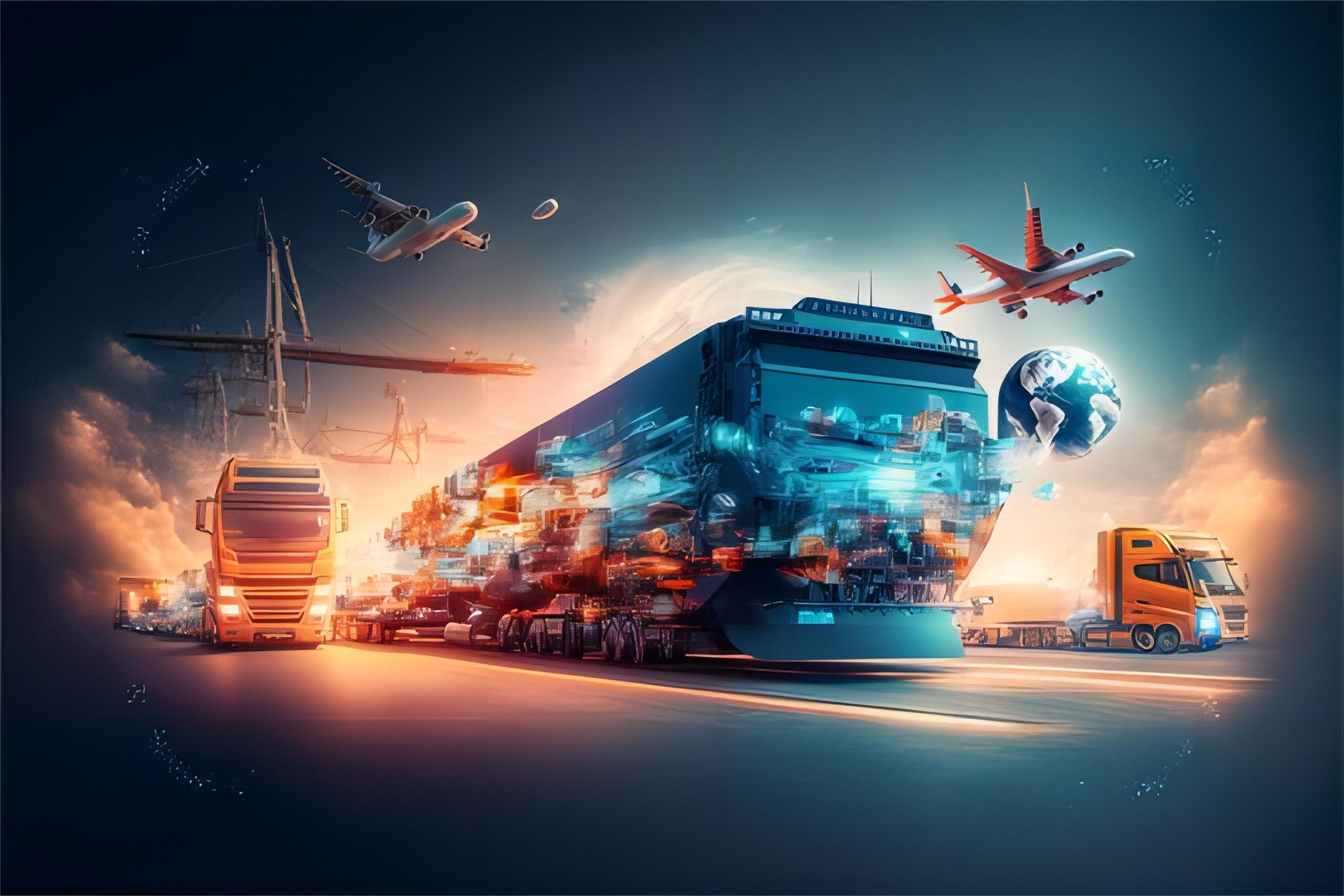
Understanding Ecommerce Container China Logistics Fulfillment
Modern ecommerce logistics requires a seamless flow of goods from Chinese factories to end consumers worldwide. Many businesses struggle with rising freight rates and complex customs clearance procedures.
Consequently, choosing the right shipping method—such as sea freight—becomes the cornerstone of a profitable import strategy. By leveraging professional logistics partners, you can ensure that your cargo handling meets international standards.
Furthermore, effective inventory management depends on accurate transit time estimates. As of early 2026, market data suggests that stability is returning to major trade lanes, allowing for better planning.
Key Shipping Methods and Service Integration
Selecting the appropriate transport mode depends on your product volume and budget constraints. For large-scale inventory replenishment, full container loads remain the most cost-effective solution.
Additionally, businesses often utilize Amazon FBA services to streamline their final mile delivery. This integration reduces the time spent on manual fulfillment tasks.
Moreover, if your goods are time-sensitive, air freight offers the speed necessary to prevent stockouts. For regions connected by land, rail freight provides a balanced alternative between cost and speed.
| Method | Cost | Transit Time | Best For |
|---|---|---|---|
| Sea Freight | Low | 25-40 Days | Large Inventory |
| Air Freight | High | 3-7 Days | Urgent/High Value |
| Rail Freight | Medium | 15-20 Days | Europe/Asia Routes |
How Does Sea Freight Compare to Other Shipping Options?
Comparing different shipping modes is vital for budget optimization. While sea freight is the industry standard for bulk, air and rail options provide necessary flexibility for specific market demands.
Direct shipping routes vs transshipment is another critical decision. Direct routes cost approximately 10-15% more but can save nearly a week of transit time, which is crucial during peak seasons.
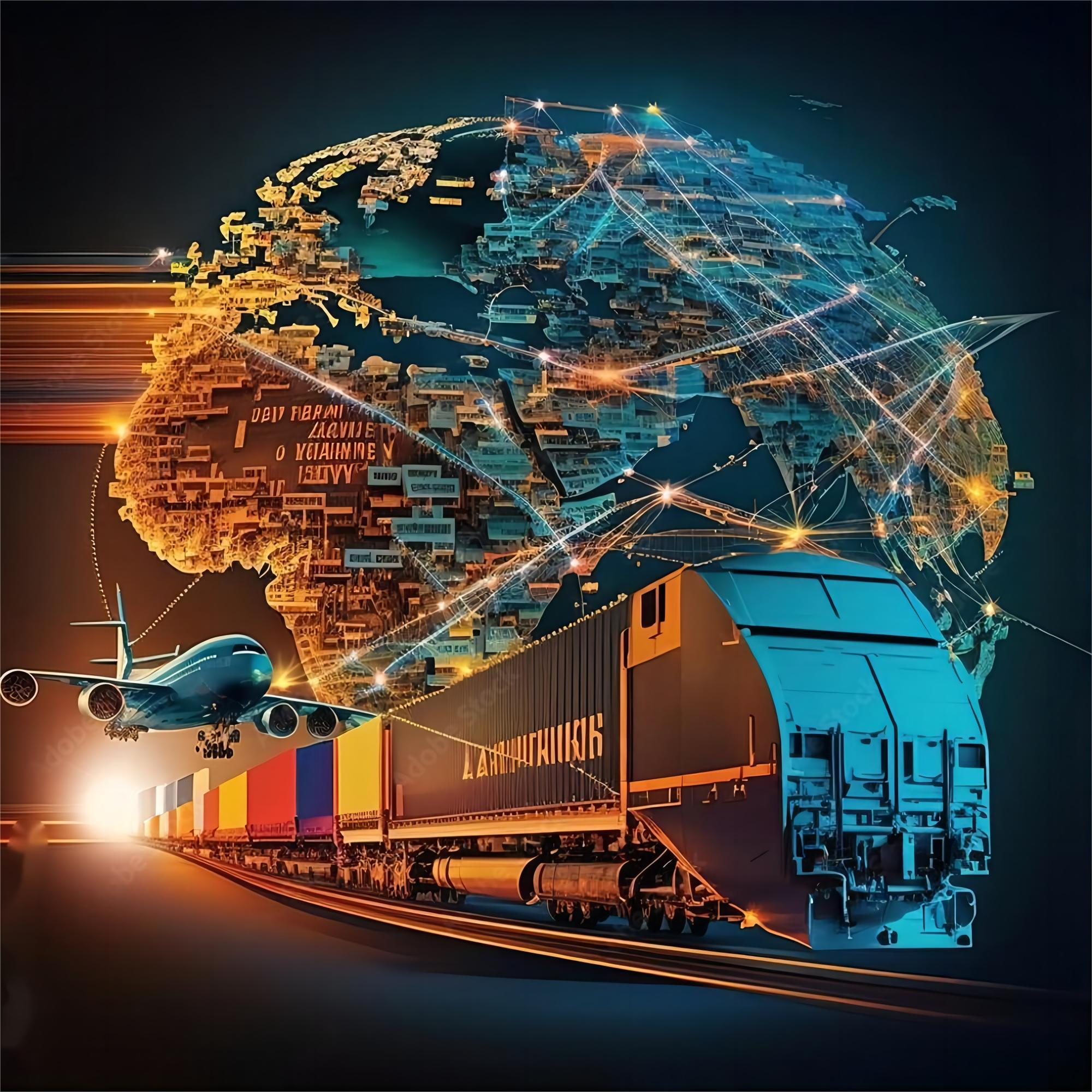
Streamlining Customs and Documentation
Navigating customs requirements is often the most daunting part of the import process. Utilizing professional customs brokerage services will help you avoid costly delays and penalties.
Additionally, ensuring your paperwork is error-free is essential for smooth entry into markets like North America or Europe. Accurate documentation prevents your container from being held at the port of discharge.
Final Thoughts on Logistics Success
Mastering ecommerce container China logistics fulfillment is a continuous process of refinement and adaptation to market trends. By focusing on reliable shipping methods, clear communication with your freight forwarder, and proactive customs planning, you can ensure your business remains competitive.
Indeed, the right logistics partner is the bridge between your factory and your global customers. Start optimizing your operations today for a more profitable tomorrow.
Need a tailored shipping solution?
Ready to optimize your supply chain? Contact our team today to request a custom quote for your ecommerce container China logistics fulfillment needs. Visit our website to learn more about our door to door shipping solutions and start saving on your freight costs.