
LCL Shipping China Top Rated: The Complete 2025 Logistics Guide
Finding a reliable partner for smaller cargo loads is essential for modern businesses aiming to scale efficiently. Many importers prioritize lcl shipping china top rated solutions to balance their budgets while maintaining steady inventory flows. This comprehensive guide details everything you need to know about consolidating shipments and choosing the best freight forwarder for your needs.
What is LCL Shipping and Why Is It Popular?
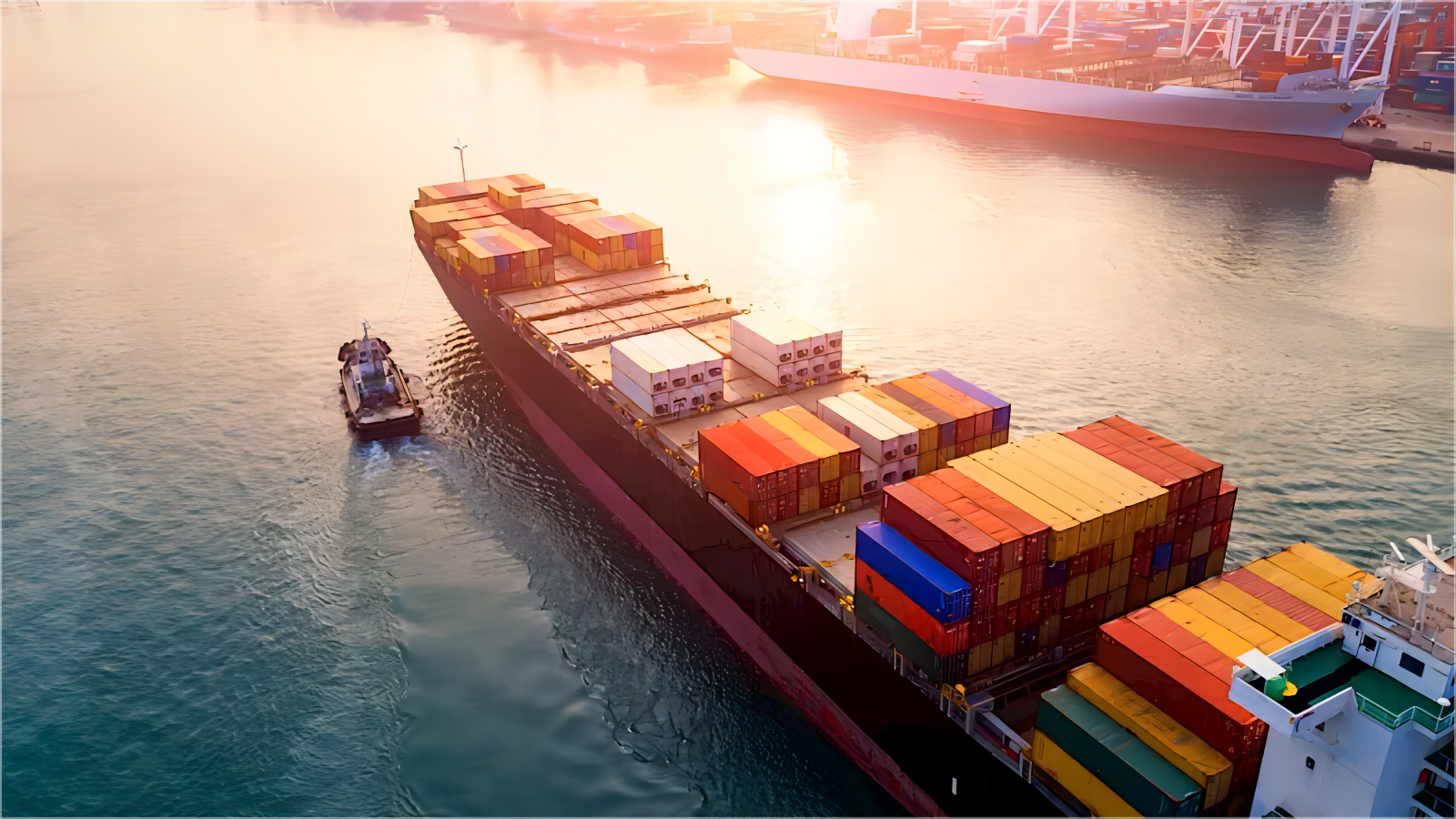
Less than Container Load, commonly known as LCL, allows multiple shippers to share space within a single ocean container. Consequently, this method is ideal for businesses that do not have enough goods to fill an entire 20-foot or 40-foot box. Small and medium enterprises frequently utilize this service to keep their shipping costs manageable.
Furthermore, choosing a top-rated service ensures that your cargo is handled with care during the consolidation and deconsolidation phases. Professional forwarders manage the complex logistics of grouping various shipments together at the port of origin. This approach provides a flexible solution for companies testing new products or managing smaller purchase orders.
Moreover, the primary benefit of this method is the significant cost savings compared to air transport. While it takes longer than flying goods, the lower price point often justifies the extended transit time for non-urgent inventory. Indeed, many successful importers build their supply chains around these cost-effective sea routes.
How Does LCL Shipping China Top Rated Compare to Other Shipping Options?
Evaluating different transport modes is crucial for determining the most efficient path for your specific cargo. While LCL is cost-effective for small volumes, larger shipments might benefit more from Full Container Load (FCL) services. Additionally, very urgent items usually require the speed of air transport regardless of the higher expense.
On the other hand, rail freight offers a middle ground for shipments traveling from China to Europe. It provides faster transit than the sea but costs significantly less than air. Nevertheless, for most global destinations, sea freight remains the standard for bulk and consolidated shipments due to its massive capacity.
To help you decide, we have provided a detailed comparison of the most common shipping methods used by international traders today. Each option has specific trade-offs regarding speed, price, and reliability.
| Shipping Method | Cost Range | Transit Time | Best For | Limitations |
|---|---|---|---|---|
| LCL Sea Freight | $50 – $150 per CBM | 25 – 45 Days | Shipments 1-15 CBM | Congestion at hubs |
| FCL Sea Freight | $1,500 – $4,500 | 20 – 40 Days | Large volumes | High flat cost |
| Air Freight | $4 – $10 per kg | 3 – 7 Days | Urgent/High value | Very expensive |
| Rail Freight | $100 – $200 per CBM | 15 – 22 Days | China to Europe | Fixed rail routes |

Which Option Should You Choose? Decision Framework
Budget priority often dictates the choice for many startups and growing brands. If your primary goal is to minimize expenses, LCL is almost always the superior choice for volumes under 15 cubic meters. However, if your cargo exceeds this volume, you should calculate if a full 20GP container offers a better price per unit.
Speed priority requires a different strategy altogether. When you have a stockout or a tight deadline, air freight is the only viable solution to get goods to market within a week. For those shipping to Europe who need a balance of speed and cost, rail is an excellent alternative strategy.
Cargo type considerations also play a major role in your final decision. Fragile or high-value items might be safer in an FCL container where they are not handled as frequently as consolidated goods. Conversely, durable consumer products are perfectly suited for the LCL environment where they share space with other boxed items.
Key Factors Influencing LCL Shipping Costs from China
Understanding the pricing structure of consolidated shipping helps you avoid unexpected expenses. Most forwarders quote based on a per-CBM (cubic meter) or per-ton basis, whichever is greater. Therefore, the density of your cargo significantly impacts the final invoice you receive from the logistics provider.
Additionally, port-to-port rates are only one part of the total landed cost. You must also account for origin charges like trucking to the warehouse, export documentation, and terminal handling fees. At the destination, you will face deconsolidation fees, warehouse storage, and customs brokerage costs.
Seasonal fluctuations also influence the market rates throughout the year. For instance, prices typically spike during the weeks leading up to the Chinese New Year and the Golden Week holiday. Planning your shipments around these peak periods can save your business thousands of dollars in surcharges.
The LCL Shipping Process Step-by-Step
The journey begins with the booking phase where you provide the freight forwarder with dimensions and weight. Once the booking is confirmed, your supplier delivers the goods to a designated consolidation warehouse near the port. Meanwhile, the forwarder prepares the necessary export licenses and commercial invoices.
During the consolidation stage, the warehouse staff groups your items with other shipments heading to the same destination. They carefully load the container to maximize space and ensure the safety of all packages. Subsequently, the container is sealed and transported to the terminal for loading onto the vessel.
Upon arrival at the destination port, the container undergoes the deconsolidation process. Each individual shipment is separated and prepared for final delivery. If you have opted for door to door service, the forwarder handles the local trucking directly to your warehouse or office.
Top Rated Routes and Transit Times for LCL Shipments
Transit times vary significantly based on the distance between the Chinese port and your local terminal. Shipments from Shenzhen to the US West Coast are generally the fastest transpacific routes. In contrast, routes to the US East Coast or Northern Europe take considerably longer due to the extra distance and canal crossings.
Market data suggests that direct routes are more reliable than those requiring transshipment in hubs like Singapore. While transshipment might be slightly cheaper, it increases the risk of delays and cargo mishandling. Consequently, many importers prefer paying a small premium for direct vessel services.
Below is a table showing typical transit times for popular global destinations. Note that these are estimates based on standard ocean carrier schedules as of early 2025.
| Route Origin | Destination Port | Sea Transit | Total Door-to-Door |
|---|---|---|---|
| Shanghai | Los Angeles, USA | 14 – 18 Days | 22 – 28 Days |
| Ningbo | Rotterdam, NL | 28 – 35 Days | 38 – 45 Days |
| Shenzhen | Sydney, AU | 12 – 18 Days | 20 – 25 Days |
| Qingdao | Felixstowe, UK | 30 – 38 Days | 40 – 48 Days |
Essential Documentation for Smooth Customs Clearance
Accurate documentation is the foundation of a successful import operation. Without the correct paperwork, your goods could face lengthy delays or expensive fines at the border. Therefore, you must ensure that your supplier provides a detailed commercial invoice and a packing list that matches the physical cargo.
Furthermore, the Bill of Lading (BOL) serves as the contract of carriage and the title to the goods. For LCL shipments, you will usually receive a House Bill of Lading from your forwarder. This document is essential for claiming your goods at the destination warehouse after they have cleared customs.
Additionally, many products require specific certificates depending on the destination country’s regulations. For example, electronics often need compliance certificates, while wooden packaging must have heat-treatment stamps. Working with an experienced logistics partner helps you navigate these complex requirements without stress.
Realistic Case Studies of Successful LCL Shipments
Reviewing real-world examples helps importers understand the practicalities of the shipping process. These cases reflect actual market conditions and pricing from the 2024-2025 period. They illustrate how different businesses use consolidation to manage their international logistics effectively.
Case Study 1: Ningbo to Hamburg. A boutique furniture retailer imported 5 CBM of designer chairs. The cargo was shipped via a major carrier with a transshipment in Singapore. Total ocean freight was $450, with origin and destination charges bringing the total landed cost to $1,250. The total door-to-door time was 42 days.
Case Study 2: Shenzhen to Los Angeles. A tech startup utilized Amazon FBA services to ship 3 CBM of electronics. By using a direct route to Long Beach, they avoided the delays common in transshipment hubs. The total cost, including customs and local delivery, was $980, and the goods arrived at the fulfillment center in 25 days.
Note: Freight rates are subject to change based on fuel costs, carrier capacity, and seasonal demand. Contact us for a current quote tailored to your specific shipment.
Tips for Reducing Your LCL Shipping Expenses
One of the most effective ways to save money is to optimize your packaging. Since LCL is charged by volume, reducing the size of your boxes can lead to direct savings on every shipment. Additionally, ask your supplier to palletize the goods efficiently to avoid paying for empty space on a poorly stacked pallet.
Another strategy involves comparing quotes from multiple top-rated forwarders. However, do not simply choose the lowest price without checking what is included. Some cheap quotes hide destination fees that can be double the cost of the ocean freight itself. Always request a full breakdown of all charges from port to door.
Finally, consider consolidating goods from multiple suppliers into a single LCL shipment. This is known as buyer’s consolidation and can significantly reduce your documentation and handling fees. Instead of paying for three separate small shipments, you pay for one larger consolidated load.
Mastering Your LCL Strategy
To summarize, leveraging lcl shipping china top rated services is a strategic move for any business looking to grow. By understanding the costs, transit times, and documentation requirements, you can avoid common pitfalls and keep your supply chain running smoothly. Remember to plan ahead for seasonal peaks and always verify your total landed costs before booking.
Indeed, the flexibility of consolidated shipping allows you to respond quickly to market changes without the financial risk of full containers. Whether you are shipping to North America, Europe, or Australia, the right logistics partner will ensure your goods arrive safely. Start optimizing your import process today by choosing a service that prioritizes transparency and efficiency.
Ready to streamline your logistics?
Ready to streamline your logistics with lcl shipping china top rated services? Our team provides transparent pricing and reliable schedules for all your small cargo needs. Visit our inquiry page to receive a personalized quote and expert advice for your next shipment. Send Inquiry: https://topfreightltd.com/
Request Quote