
Sea Freight China UK: The Ultimate 2025 Shipping Guide
Navigating the complexities of sea freight China UK can be challenging for both new and experienced importers seeking to optimize their supply chain. Partnering with Top Freight Ltd ensures your cargo moves smoothly across global maritime routes while minimizing potential delays. This comprehensive guide explores everything from freight rates to transit times to help you make informed decisions for your business logistics.
How Does Sea Freight China UK Compare to Other Shipping Options?
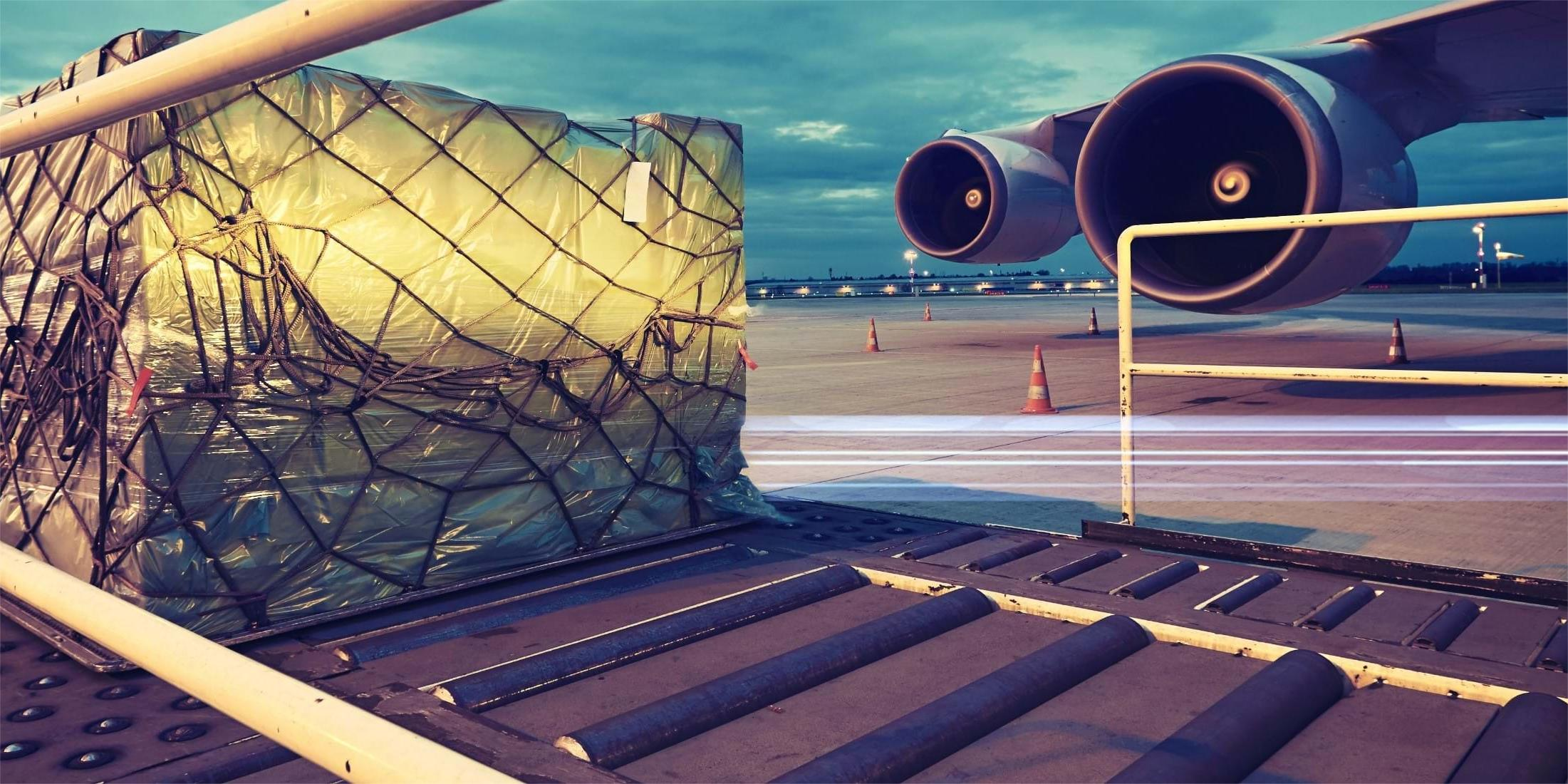
When planning your logistics, understanding the differences between transport modes is essential for balancing budget and speed. While sea freight is the most economical choice for large volumes, it requires the longest lead times. Conversely, air transport offers rapid delivery but at a significantly higher price point per kilogram.
Moreover, the choice often depends on the specific nature of your goods and the urgency of your inventory needs. Furthermore, businesses must consider the environmental impact, as ocean transport typically has a lower carbon footprint than air alternatives. Consequently, many companies utilize a mix of methods to maintain a steady flow of products while managing costs effectively.
Additionally, rail transport has emerged as a middle-ground solution, offering faster speeds than ships and lower costs than planes. Nevertheless, the recent geopolitical shifts have impacted rail availability, making ocean routes the most reliable backbone for international trade. Therefore, analyzing the trade-offs between cost, time, and reliability is the first step in any successful shipping strategy.
| Shipping Method | Cost Range | Transit Time | Best For |
|---|---|---|---|
| Sea Freight | $2,000 – $4,500 | 30 – 45 Days | Bulk goods, heavy machinery |
| Air Freight | $5,000 – $15,000 | 5 – 10 Days | High-value, urgent items |
| Rail Freight | $3,500 – $6,000 | 18 – 25 Days | Mid-range urgency shipments |
| Express | $8,000+ | 3 – 5 Days | Samples and small parcels |
Understanding FCL vs LCL for Your UK Shipments
Choosing between Full Container Load (FCL) and Less than Container Load (LCL) is a critical decision for sea freight China UK logistics. FCL means you rent an entire 20ft or 40ft container for your exclusive use, providing better security and faster handling. In contrast, LCL involves sharing container space with other shippers, which is ideal for smaller volumes that do not fill a whole unit.
For instance, if your shipment exceeds 15 cubic meters, FCL usually becomes more cost-effective than paying for individual space in LCL. Additionally, FCL shipments often experience fewer delays because they do not require the consolidation and deconsolidation processes at the ports. On the other hand, LCL offers flexibility for small businesses that cannot justify the cost of a full container.
However, you should note that LCL rates are calculated per cubic meter, which can add up quickly for dense or large items. Meanwhile, Air Freight might be competitive for very small LCL shipments when you factor in port fees. Therefore, always calculate the total landed cost before deciding which containerization method suits your current inventory requirements.
Key Factors Influencing Sea Freight China UK Costs
Several variables determine the final price you pay for ocean transport from Chinese hubs to British ports. Firstly, fuel surcharges, often referred to as the Bunker Adjustment Factor, fluctuate based on global oil prices. Secondly, seasonal demand plays a massive role, with rates typically spiking during the peak season from August to October.
Indeed, during the lead-up to the Golden Week holiday in China, capacity becomes scarce and prices rise significantly. Consequently, booking your space at least 3-4 weeks in advance is highly recommended to secure better rates. Furthermore, port congestion at major entries like Felixstowe or Southampton can lead to additional storage fees and demurrage charges.
In addition to freight rates, you must account for local charges at both the origin and destination. For example, terminal handling charges, documentation fees, and inland haulage to your warehouse will impact the total budget. As a result, requesting a detailed quote that includes all ‘door-to-door’ elements is vital for accurate financial planning. Note: Freight rates are subject to change based on fuel costs, carrier capacity, and seasonal demand. Contact us for a current quote tailored to your specific shipment.
Average Transit Times from Major Chinese Ports to the UK
Transit times for sea freight China UK vary depending on the port of loading and the chosen carrier route. Generally, shipments from Southern China ports like Shenzhen or Guangzhou arrive slightly faster than those from Northern ports like Tianjin. Moreover, direct services are faster but more expensive than transshipment options that stop in Singapore or Colombo.
For example, a direct vessel from Shanghai to Felixstowe might take approximately 32 days under normal weather conditions. However, if the vessel encounters congestion or takes a longer route to avoid specific maritime zones, the duration can extend to 45 days or more. Therefore, always build a buffer into your supply chain timeline to account for these potential variances.
Additionally, the time spent in customs and the final delivery leg to your UK warehouse must be considered. While the sea journey is the longest part, administrative delays can add several days to the total lead time. Consequently, working with an experienced freight forwarder who understands Rail Freight and sea alternatives can help you navigate these timing challenges.
| Origin Port (China) | Destination Port (UK) | Direct Transit (Days) | Transshipment (Days) |
|---|---|---|---|
| Shanghai | Felixstowe | 30 – 34 | 38 – 45 |
| Shenzhen | Southampton | 28 – 32 | 35 – 42 |
| Ningbo | London Gateway | 31 – 35 | 40 – 48 |
| Qingdao | Liverpool | 35 – 40 | 45 – 55 |
Essential Customs Documents Checklist for UK Imports
Proper documentation is the foundation of a smooth import process when utilizing sea freight China UK services. Without the correct paperwork, your cargo may be held at the port, leading to expensive storage fees and missed delivery deadlines. Most importantly, you must ensure your Commercial Invoice and Packing List accurately reflect the goods being shipped.
Furthermore, a Bill of Lading is required as a contract of carriage and a document of title for the cargo. Additionally, you will need a UK EORI number to clear goods through the Customs Declaration Service (CDS). Indeed, hiring a professional Customs Brokerage service can prevent common errors that lead to audits or fines.
Moreover, certain products may require specific certificates, such as a Certificate of Origin or health certificates for food items. Consequently, verifying the commodity codes for your products is essential for calculating the correct VAT and duty rates. In summary, being proactive with your documentation will save significant time and money during the clearance phase.
| Document Name | Purpose | Provider | Required For |
|---|---|---|---|
| Commercial Invoice | Valuation for Duty/VAT | Supplier | All Shipments |
| Packing List | Details of cargo units | Supplier | All Shipments |
| Bill of Lading | Title of goods | Carrier | All Sea Freight |
| EORI Number | UK Customs ID | Importer | All UK Imports |
Which Option Should You Choose? Decision Framework for Importers
Selecting the right shipping strategy requires a clear understanding of your business priorities and cargo characteristics. If your primary goal is cost reduction and you have high-volume shipments, sea freight China UK is undoubtedly the superior choice. However, if you are launching a new product and need to test the market quickly, a faster mode might be necessary.
For budget-conscious shippers with volumes over 15 CBM, we strongly recommend FCL to maximize efficiency and security. In contrast, for shipments between 1 CBM and 14 CBM, LCL remains the most practical way to move goods without paying for empty space. Meanwhile, if speed is the priority, consider air freight or express services for your high-margin items.
Cargo type also dictates the method; for instance, hazardous materials or oversized machinery often have limited options and require specialized sea freight handling. Furthermore, seasonal fluctuations should influence your decision, as you might switch to rail or air during peak ocean congestion periods. To summarize, evaluate your volume, budget, and deadline before committing to a specific logistics path.
Alternative Strategies and Hybrid Shipping Solutions
Innovative logistics managers often look beyond traditional port-to-port shipping to find more efficient routes to Europe and the UK. One popular alternative is the Sea-Air hybrid solution, where goods are shipped by sea to a hub like Dubai and then flown to London. This approach offers a balance between the low cost of sea freight and the high speed of air transport.
Another strategy involves utilizing rail freight via the Silk Road, which connects Chinese industrial cities directly to European terminals. Although rail can be more expensive than sea freight China UK, it typically cuts transit time by half, making it ideal for electronics or fashion. Additionally, some shippers choose transshipment through smaller Mediterranean ports to bypass congestion at major UK hubs.
Moreover, cost-saving strategies like ‘buyer’s consolidation’ allow you to combine orders from multiple Chinese suppliers into a single FCL shipment. This reduces the number of individual LCL fees and gives you more control over the shipping timeline. Consequently, exploring these alternative strategies can provide a competitive advantage in a volatile global market.
Real-World Case Studies: Navigating the China to UK Route
Case Study 1: Electronics from Ningbo to Felixstowe. Route: Ningbo, China to Felixstowe, UK. Cargo: Consumer Electronics, 65 CBM, 12,000 kg. Container: 40HQ. Shipping Details: Major carrier, Direct Route. Cost Breakdown: Ocean Freight: $3,850; Origin Charges: $450; Destination Charges: $550; Customs and Duties: $2,200; Total Landed Cost: $7,050. Timeline: Booking to Loading: 5 days; Sea Transit: 33 days; Customs Clearance: 2 days; Total Door-to-Door: 45 days. Key Insight: Early booking during Q3 avoided a 20% peak season surcharge.
Case Study 2: Textiles from Shenzhen to Southampton. Route: Shenzhen, China to Southampton, UK. Cargo: Apparel and Textiles, 5 CBM, 1,500 kg. Container: LCL. Shipping Details: Transshipment via Singapore. Cost Breakdown: Ocean Freight: $650; Origin Charges: $200; Destination Charges: $350; Customs and Duties: $1,100; Total Landed Cost: $2,300. Timeline: Booking to Loading: 3 days; Sea Transit: 38 days; Customs Clearance: 3 days; Total Door-to-Door: 50 days. Key Insight: Using LCL allowed the small business to maintain stock levels without the high cost of an entire container.
Case Study 3: Industrial Parts from Qingdao to London Gateway. Route: Qingdao, China to London Gateway, UK. Cargo: Steel Components, 25 CBM, 18,000 kg. Container: 20GP. Shipping Details: Direct Route. Cost Breakdown: Ocean Freight: $2,400; Origin Charges: $400; Destination Charges: $500; Customs and Duties: $1,500; Total Landed Cost: $4,800. Timeline: Booking to Loading: 7 days; Sea Transit: 36 days; Customs Clearance: 2 days; Total Door-to-Door: 52 days. Key Insight: Heavy cargo made 20GP sea freight the only viable economic option compared to air or rail.
Final Thoughts on Shipping from China to the UK
Successfully managing sea freight China UK requires a deep understanding of market trends, documentation, and the various shipping modes available. By choosing between FCL and LCL wisely and planning for seasonal fluctuations, you can significantly reduce your logistics expenses. Furthermore, partnering with an experienced freight forwarder provides the local expertise needed to handle complex customs requirements.
In conclusion, while the maritime route is the longest, its cost-effectiveness remains unmatched for the majority of commercial imports. Always stay informed about port conditions and maintain flexibility in your supply chain to adapt to global changes. With the right strategy, your business can leverage sea freight to build a robust and profitable international trade operation.
Ready to streamline your logistics?
Ready to streamline your sea freight China UK operations? Contact Top Freight Ltd today for a customized quote and expert logistics advice. Our team is standing by to help you navigate customs, optimize your shipping routes, and reduce your total landed costs. Visit our website to request your free freight analysis now.
Request Quote