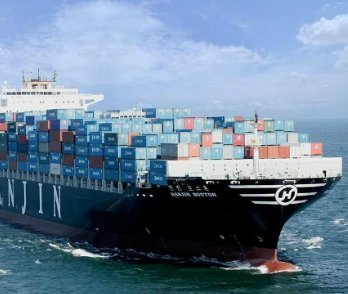
Top Freight Ltd provides reliable and efficient freight forwarding services from China to Peru, connecting major Chinese manufacturing hubs with key Peruvian ports and commercial centers. With a strong international logistics network and experienced operations team, we offer tailored sea, air, and door-to-door solutions. Whether importing machinery, electronics, consumer goods, or industrial materials, our customized strategies ensure smooth supply chain operations and timely deliveries across Peru.
Top Freight Ltd delivers professional sea freight services from China to Peru, handling both Full Container Load (FCL) and Less than Container Load (LCL) shipments. Our team coordinates vessel booking, container loading, export documentation, and customs clearance to ensure reliable and predictable ocean transit. Key Peruvian ports served include Callao, Paita, and Matarani, providing efficient gateways for cargo entering Peru.
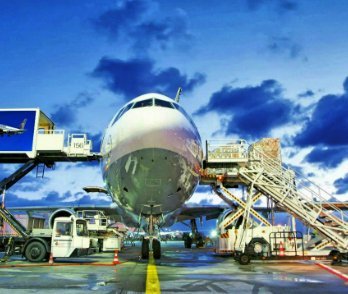
For urgent or high-value shipments, Top Freight Ltd provides secure and fast air freight services from China to Peru. Utilizing a broad network of airline partners, we ensure precise scheduling, efficient cargo handling, and minimized transit times. Major air cargo destinations include Jorge Chávez International Airport (Lima) and Alejandro Velasco Astete International Airport (Cusco). Our team manages all documentation, customs clearance, and final delivery for seamless air shipments.

Top Freight Ltd offers fully managed door-to-door shipping services from China to Peru, covering every stage from supplier pickup to final delivery at your location. Services include inland transport, customs brokerage, warehousing, and last-mile delivery. This end-to-end solution reduces complexity, ensures transparency, and provides a seamless logistics experience for shipments across Peru.
Our Full Container Load (FCL) service is designed for large shipments that require dedicated container space. Top Freight Ltd ensures container availability, efficient loading, and proper documentation. By coordinating with established carriers, we guarantee secure, timely, and predictable full-container shipments from China’s major ports to Peru.
For smaller shipments, our Less than Container Load (LCL) service provides a cost-effective and reliable option. Cargo is consolidated at origin and carefully deconsolidated at Peruvian ports. Every stage—from packing and documentation to customs clearance and delivery—is professionally managed to ensure safe and on-time arrival of your goods.
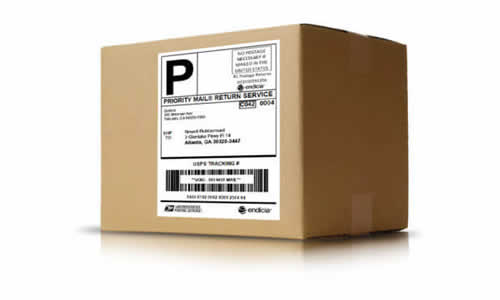
Top Freight Ltd provides accurate labeling services to guarantee smooth and error-free shipping.

Top Freight Ltd ensures thorough quality inspections to deliver dependable and secure shipping.
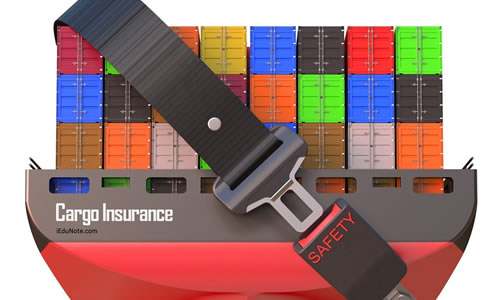
Top Freight Ltd offers complete cargo insurance to guarantee the safety and security of your shipments.

Top Freight Ltd provides professional packaging solutions to secure your goods during transportation.
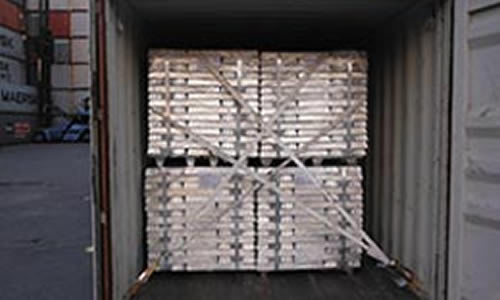
Top Freight Ltd conducts comprehensive loading inspections to guarantee safe and dependable shipments.
The best shipping method from China to Peru depends on several factors, including cost, time, and the nature of the goods being shipped. Air freight is the fastest option, typically taking 5-10 days, but it is also the most expensive. Sea freight, while significantly slower, taking 30-40 days, is much more cost-effective, especially for large or heavy shipments. For a balance between speed and cost, express courier services like DHL, UPS, or FedEx can be a good choice, offering delivery times of 7-14 days. The choice ultimately depends on the urgency, budget, and size of the shipment.
The main shipping routes from China to Peru primarily involve sea and air paths. For sea freight, the route typically starts from major Chinese ports such as Shanghai, Shenzhen, or Ningbo, crossing the Pacific Ocean, passing through the Panama Canal, and reaching the port of Callao in Peru. For air freight, shipments usually depart from major Chinese airports like Beijing Capital International Airport or Shanghai Pudong International Airport, with direct or connecting flights landing at Jorge Chávez International Airport in Lima, Peru. These routes ensure efficient and reliable transportation of goods between the two countries.
Customs clearance involves several steps to ensure that goods comply with the import regulations of Peru. First, documentation such as the bill of lading, commercial invoice, packing list, and import licenses must be provided. The Peruvian customs authority will inspect the documentation and may physically inspect the goods. Import duties and taxes are then calculated based on the value of the goods. The importer must pay these fees before the goods are released. It's essential to work with a knowledgeable customs broker to navigate this process smoothly and avoid delays.
Shipping from China to Peru can present several challenges, including long transit times, customs clearance delays, and language barriers. Sea freight, while cost-effective, can take up to 40 days, and any delays at the Panama Canal can further extend this time. Customs clearance can be complicated by bureaucratic procedures and the need for accurate documentation. Language differences between Chinese suppliers and Peruvian importers can also lead to misunderstandings. Additionally, political and economic factors in both countries can impact shipping schedules and costs.
Shipping costs from China to Peru vary widely based on the shipping method, weight, and volume of the goods, and additional services required. Sea freight is generally cheaper, with costs ranging from $1,500 to $3,500 per container, depending on the size and type. Air freight is more expensive, with rates typically between $5 and $10 per kilogram. Express courier services offer a middle ground, with costs depending on the package size and weight. Additional costs may include insurance, customs duties, and taxes, which should be factored into the total shipping budget.
Ensuring the safety of shipments involves several strategies. First, choosing a reputable shipping company with a track record of reliable service is crucial. Proper packaging is essential to protect goods during transit, especially for fragile or valuable items. Using pallets and containers can provide additional protection. Insuring the shipment against loss or damage is also advisable. Tracking services offered by shipping companies allow businesses to monitor their shipments in real-time, providing peace of mind and the ability to respond quickly to any issues that arise.
Shipping delays can significantly impact businesses, causing stock shortages, production halts, and financial losses. For retailers, delayed shipments can result in empty shelves, lost sales, and dissatisfied customers. Manufacturers may face production downtime if essential components do not arrive on time. Delays can also increase costs, as businesses might need to find alternative suppliers or expedite shipping methods to compensate. Maintaining good communication with shipping partners and having contingency plans can help mitigate the impact of delays.
Several key documents are required for shipping goods from China to Peru. These typically include the commercial invoice, which details the sale transaction; the packing list, which itemizes the contents of the shipment; and the bill of lading, which serves as a contract between the shipper and carrier. Additional documents may include certificates of origin, insurance certificates, and import licenses. Accurate and complete documentation is crucial for smooth customs clearance and to avoid delays or penalties.
The choice of shipping company can significantly affect the shipping process in terms of cost, speed, and reliability. Reputable companies with extensive networks and experience in international shipping are likely to provide more reliable and efficient services. They can offer better customer support, more accurate tracking, and fewer delays. Conversely, choosing a less established company might result in lower costs but could lead to longer transit times, poor communication, and a higher risk of lost or damaged goods. It’s important to research and select a shipping company that meets the specific needs of your business.
Shipping goods internationally has several environmental impacts, including carbon emissions from transportation. Sea freight, while more carbon-efficient per unit than air freight, still contributes significantly to pollution. Air freight has a much higher carbon footprint due to the energy-intensive nature of air travel. Businesses can mitigate these impacts by choosing shipping companies that employ greener practices, such as using fuel-efficient vessels or carbon offset programs. Additionally, optimizing shipment sizes and reducing unnecessary packaging can also help lessen the environmental impact.
Operations deal with the way the vehicles are operated, and the procedures set for this purpose, and policies. In the transport industry, operat ions and ownership of infrastructure can be either country.