
Shipping from China USA: The Complete 2025 Logistics Guide
Navigating the complexities of shipping from China USA requires a strategic approach to ensure your goods arrive safely and on time. At Top Freight Ltd, we specialize in simplifying transpacific logistics for businesses of all sizes. Managing global supply chains involves balancing speed, cost, and reliability in an ever-changing market. Consequently, understanding the nuances of international trade is essential for any importer looking to maintain a competitive edge in the United States.
What are the Primary Methods for Shipping from China USA?
Importers generally choose between two main transportation modes depending on their specific cargo requirements and budget constraints. For large volumes of heavy goods, sea freight remains the most cost-effective solution for most businesses. This method allows companies to move massive quantities of products while keeping the per-unit cost remarkably low. However, the longer transit times require careful planning to avoid inventory shortages.
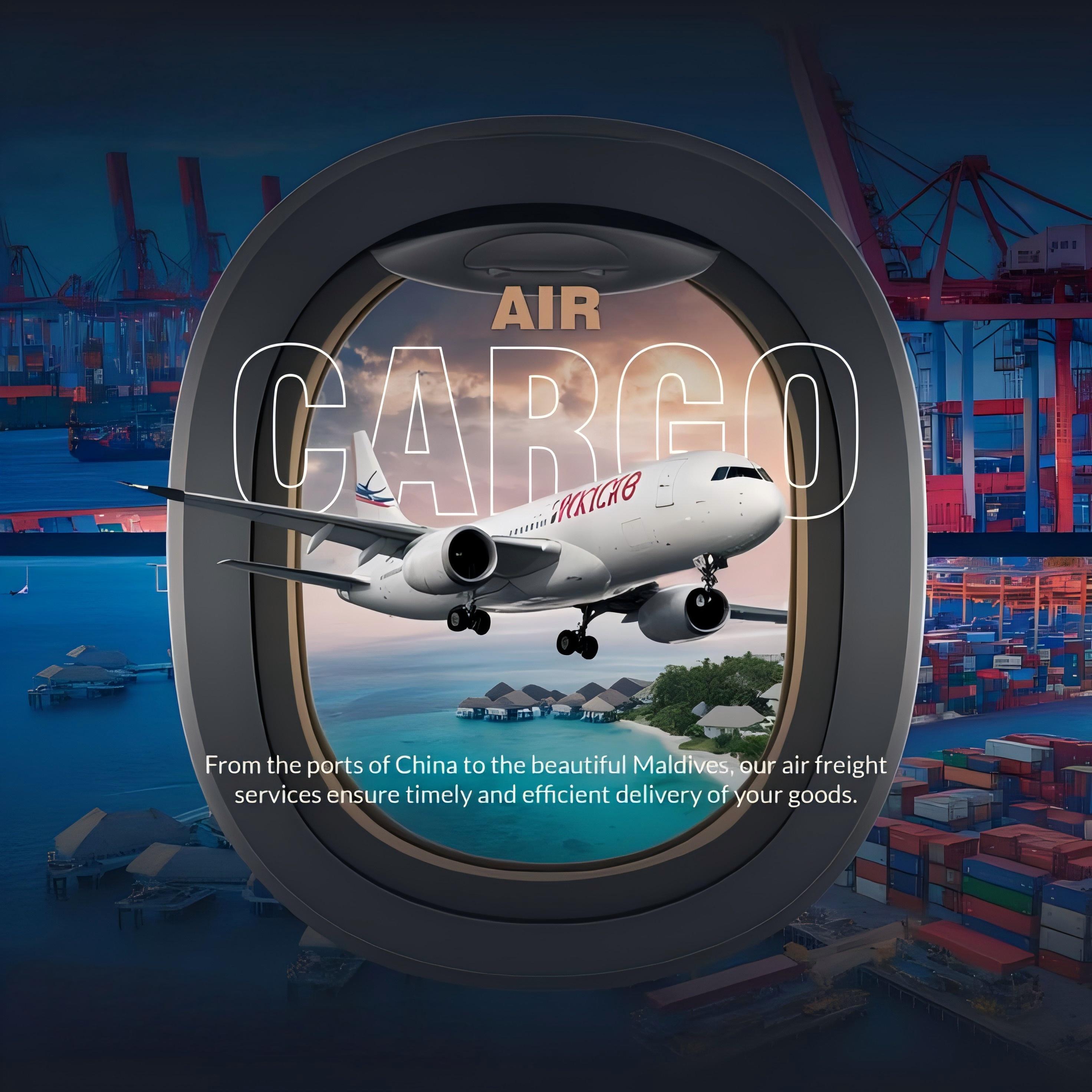
Alternatively, air freight offers a significantly faster turnaround for time-sensitive or high-value shipments. This mode is ideal for electronics, fashion items, or urgent replenishment orders that cannot wait for ocean transit. While the costs are higher, the reduction in lead time can often justify the investment for many growing brands. Furthermore, air transport provides a higher level of security for fragile or perishable items.
Choosing the right method involves a detailed analysis of your shipment’s weight, volume, and urgency. Most experienced shippers utilize a mix of both modes to optimize their logistics spend throughout the year. For instance, you might use ocean freight for your baseline stock and air freight for seasonal spikes or unexpected demand. This hybrid approach ensures that your supply chain remains resilient and responsive to market changes.
How Much Does Shipping from China USA Cost in 2025?
Shipping costs fluctuate based on market demand, fuel prices, and seasonal trends that affect carrier capacity. Currently, ocean freight rates have stabilized compared to the volatility seen in previous years, though peak seasons still see price increases. Specifically, the months leading up to the Lunar New Year and the Q4 holiday rush typically command higher premiums. Importers must account for these cycles when budgeting for their landed costs.
In addition to base freight rates, businesses must consider surcharges such as fuel adjustment factors and terminal handling charges. These additional fees can significantly impact the total invoice if not properly calculated during the quoting phase. Moreover, port congestion and labor issues can lead to unexpected storage fees or demurrage charges at major US gateways. Therefore, working with a transparent logistics provider is crucial for accurate financial forecasting.
Note: Freight rates are subject to change based on fuel costs, carrier capacity, and seasonal demand. Contact us for a current quote tailored to your specific shipment.
| Route | 20GP Container | 40GP Container | 40HQ Container |
|---|---|---|---|
| China to US West Coast | $1,600 – $2,300 | $2,600 – $3,600 | $2,900 – $3,900 |
| China to US East Coast | $2,600 – $3,600 | $4,100 – $5,600 | $4,600 – $6,100 |
| China to US Gulf Coast | $2,400 – $3,400 | $3,800 – $5,200 | $4,300 – $5,800 |
How Does Sea Freight Compare to Other Shipping Options?
Ocean transport is the backbone of global trade, yet it is not always the best fit for every scenario. When you compare sea freight to air or express services, the trade-off between speed and cost becomes immediately apparent. Sea freight is undeniably slower, often taking several weeks to cross the Pacific, but it handles volume that other methods cannot. For example, a single 40HQ container can hold nearly 70 cubic meters of cargo.
In contrast, air freight measures cost by weight or volumetric weight, making it prohibitively expensive for bulky items. Nevertheless, the efficiency of air transport reduces the need for large safety stocks, which can lower your overall warehousing costs. Another alternative is the sea-air hybrid solution, which combines the affordability of ocean transit with the speed of air delivery. This strategy involves shipping by sea to a hub like Dubai or Korea and then flying the goods to the US.
Strategic planning allows businesses to select the method that aligns with their current financial goals and customer expectations. While sea freight is the default for most, the flexibility of alternative modes provides a safety net during port strikes or peak season delays. Consequently, a diversified shipping strategy is often the most effective way to manage risk in international logistics.
| Method | Transit Time | Cost Level | Best For |
|---|---|---|---|
| Sea Freight (FCL) | 18 – 35 Days | Low | Bulk inventory |
| Sea Freight (LCL) | 25 – 40 Days | Medium | Small shipments |
| Air Freight | 5 – 10 Days | High | Urgent/High-value |
| Express Service | 3 – 5 Days | Very High | Samples/Small parcels |

Understanding Transit Times for Transpacific Routes
The duration of shipping from China USA depends heavily on the destination port and the specific carrier route. West Coast ports like Los Angeles and Long Beach offer the shortest transit times due to their geographic proximity to China. Typically, a direct vessel from Shanghai can reach California in about 14 to 18 days. However, inland delivery to the Midwest can add another week to the total door-to-door timeline.
East Coast destinations require a longer journey, often transiting through the Panama Canal or around the Cape of Good Hope. These routes generally take between 30 and 40 days, depending on the number of port calls along the way. Weather conditions and seasonal congestion at major hubs can also introduce delays that affect your delivery schedule. Indeed, monitoring real-time tracking data is essential for managing customer expectations and warehouse staffing.
To minimize delays, importers should ensure all documentation is accurate and submitted well in advance of the vessel’s arrival. Pre-clearing customs can save several days of processing time once the ship docks at the US port. Additionally, choosing carriers with premium ‘fast-boat’ services can shave nearly a week off standard transit times for a small surcharge. This investment is often worth it for time-sensitive product launches.
Which Option Should You Choose for Your Business?
Deciding on the best shipping method requires a clear understanding of your priority: is it speed or budget? If your primary goal is to minimize costs for a large restock, sea freight is the logical choice for your operation. For businesses utilizing Amazon FBA, ocean shipping helps maintain healthy margins on competitive consumer goods. On the other hand, if you are launching a new product and need to hit a specific deadline, air freight is more appropriate.
Volume thresholds also play a significant role in the decision-making process for international shipments. For cargo under 15 cubic meters, Less than Container Load (LCL) is often more economical than paying for a full 20-foot container. However, once your volume exceeds 15-20 CBM, Full Container Load (FCL) becomes the more efficient and secure option. This threshold is a critical pivot point for growing businesses looking to scale their import volumes.
Cargo type considerations cannot be ignored when selecting a transportation mode for your goods. Hazardous materials, heavy machinery, and oversized items are almost exclusively relegated to ocean freight due to safety and physical constraints. Conversely, delicate electronics or high-fashion apparel benefit from the smoother handling and temperature-controlled environments of air transport. Ultimately, your choice should reflect a balance of cost, safety, and speed.
Essential Customs Documents for US Imports
Navigating the regulatory landscape is one of the most challenging aspects of shipping from China USA for new importers. Every shipment must be accompanied by a commercial invoice, a packing list, and a bill of lading to be accepted by US Customs. These documents must accurately describe the goods, their value, and their country of origin to ensure proper duty assessment. Any discrepancies can lead to costly inspections, fines, or even the seizure of your cargo.
Engaging a professional customs brokerage service can prevent these common pitfalls and expedite the clearance process. These experts understand the complex Harmonized Tariff Schedule (HTS) codes and can help you identify potential duty-saving opportunities. Furthermore, they manage the filing of the Importer Security Filing (ISF), which is a mandatory requirement for all ocean shipments entering the US. Failure to file the ISF 24 hours before loading can result in significant penalties.
In addition to standard paperwork, certain products may require specialized certificates or permits from other government agencies. This includes items regulated by the FDA, EPA, or FCC, such as food products, chemicals, and electronics. Maintaining a well-organized digital archive of all your shipping documents is a best practice for compliance and auditing purposes. Consequently, thorough preparation is the best defense against administrative delays at the border.

Real-World Shipping Case Studies
Case Study 1: Electronics Distribution to California. Route: Ningbo, China to Long Beach, USA. Cargo: Consumer electronics, 68 CBM, 12,000 kg. Container: 40HQ. Shipping Details: Direct service via major carrier. Cost Breakdown: Ocean Freight $3,200; Origin Charges $450; Destination Charges $600; Total Landed Cost $4,250. Timeline: Booking to Loading 4 days; Sea Transit 16 days; Customs 2 days; Total Door-to-Door 25 days. Key Insight: Utilizing a direct West Coast route saved the client 12 days compared to an East Coast discharge.
Case Study 2: Apparel Retailer LCL Shipment. Route: Shenzhen, China to Savannah, USA. Cargo: Cotton garments, 8 CBM, 2,500 kg. Container: LCL. Shipping Details: Transshipment via Busan. Cost Breakdown: Ocean Freight $1,100; Origin Charges $300; Destination Charges $550; Total Landed Cost $1,950. Timeline: Booking to Loading 6 days; Sea Transit 32 days; Customs 3 days; Total Door-to-Door 45 days. Key Insight: LCL was the most economical choice for this mid-sized volume, despite the longer transit time. Based on Q4 2024 market rates.
Case Study 3: Urgent Spare Parts Delivery. Route: Shanghai, China to Chicago, USA. Cargo: Industrial machinery parts, 2 CBM, 450 kg. Method: Air Freight. Shipping Details: Direct flight to O’Hare. Cost Breakdown: Air Freight $2,800; Handling Fees $200; Customs $150; Total Landed Cost $3,150. Timeline: Pickup to Loading 1 day; Transit 2 days; Customs 1 day; Total Door-to-Door 6 days. Key Insight: The high cost of air freight was justified by preventing a factory shutdown that would have cost the client $10,000 per day.
How to Reduce Your Shipping Costs and Improve Efficiency
Optimizing your logistics strategy can lead to significant savings over the course of a fiscal year. One of the most effective ways to lower costs is through cargo consolidation, where multiple small orders are combined into a single shipment. This reduces the per-unit handling fees and allows you to take advantage of better volume rates from carriers. Additionally, negotiating long-term contracts with freight forwarders can provide price stability during market fluctuations.
Choosing a door to door service simplifies your supply chain by providing a single point of contact for the entire journey. This integrated approach reduces the risk of communication gaps between different service providers and often results in faster transit times. Moreover, utilizing modern tracking software allows you to monitor your cargo in real-time and make proactive adjustments to your inventory management. Efficient data usage is a hallmark of successful modern importers.
Finally, always verify the Incoterms used in your purchase agreement with Chinese suppliers. Terms like FOB (Free on Board) give you more control over the shipping process and costs compared to CIF (Cost, Insurance, and Freight). By controlling the logistics, you can choose the carriers and routes that best fit your business needs rather than relying on the supplier’s preference. This control is vital for maintaining a lean and efficient transpacific supply chain.
Final Thoughts on Shipping from China USA
Mastering the art of shipping from China USA is a journey that involves continuous learning and adaptation. By understanding the various methods, costs, and regulatory requirements, you can build a more resilient and profitable business. Remember to balance the need for speed with the necessity of cost control to maintain a healthy bottom line. Logistics is not just a cost center; it is a strategic advantage when managed correctly.
Whether you are a seasoned importer or just starting your first transpacific venture, the right partners make all the difference. Stay informed about market trends and be ready to pivot your strategy as global conditions evolve. With careful planning and the right support, your shipping from China USA can become a seamless part of your success story. We look forward to helping you navigate the future of international trade.
Ready to streamline your logistics?
Ready to streamline your shipping from China USA? Contact Top Freight Ltd today for a customized logistics solution that saves you time and money. Visit our website to request a free quote and discover how our expertise can grow your business. See the difference that professional freight management makes for your supply chain.
Request Quote