
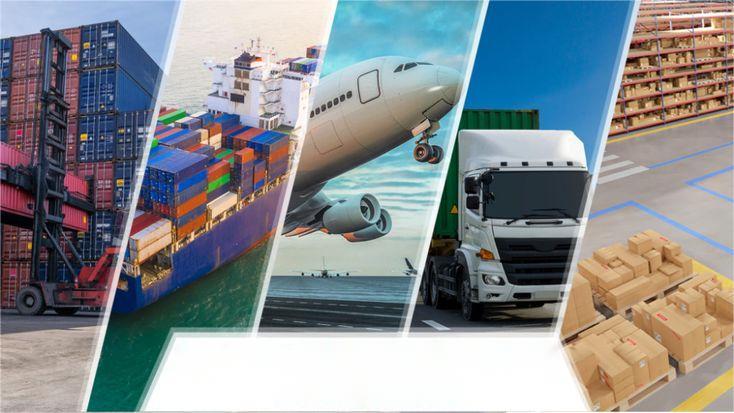
Cargo Container Freight China Export Import Logistics Guide 2026
Navigating cargo container freight China export import logistics requires precision and reliable partners to maintain a seamless supply chain. Whether you are moving bulk goods or small parcels, our comprehensive services at Top Freight Ltd ensure your cargo reaches its destination efficiently. Visit https://topfreightltd.com/ to explore how our tailored solutions can streamline your global shipping operations today.

Understanding Cargo Container Freight China Export Import Logistics
Global trade relies heavily on the efficiency of moving goods from manufacturing hubs. Consequently, businesses must understand the nuances of container shipping to avoid costly delays. Shipping via sea remains the backbone of international commerce due to its cost-effectiveness for heavy volumes.
Furthermore, choosing the right partner is essential for managing complex shipping documentation. You can opt for sea freight to transport large inventory batches safely. Reliable logistics providers simplify the entire process from origin to final destination.
Optimizing Your Supply Chain with Diverse Freight Methods
Modern logistics offer multiple modes to balance speed and budget. For instance, time-sensitive goods often benefit from air freight, which provides the fastest transit times. Alternatively, businesses looking for a balance between speed and cost may consider rail freight for routes connecting China to Europe.
Additionally, e-commerce sellers frequently utilize Amazon FBA services to streamline inventory management. Each method serves a unique purpose depending on your specific delivery schedule and cargo type.
How Does Sea Freight Compare to Other Shipping Options?
Selecting the right transport mode depends on your volume and urgency. The table below outlines the primary differences between common shipping methods used in 2026.
Choosing between FCL and LCL is another critical decision for importers. Generally, LCL is more economical for shipments under 15 CBM, while FCL offers better security for larger loads.
| Method | Cost | Transit Time | Best For |
|---|---|---|---|
| Sea | Low | 25-40 Days | Bulk Goods |
| Air | High | 3-7 Days | Urgent Cargo |
| Rail | Medium | 15-20 Days | Europe Routes |
Key Logistics Considerations for Importers
Mastering customs brokerage is vital to avoid unexpected port delays. Professional customs brokerage services ensure your documentation complies with international regulations. Moreover, accurate classification of goods prevents unnecessary fines and duty overpayments.
Finally, implementing door to door shipping services removes the headache of managing multiple carriers. By consolidating your logistics, you gain better visibility over your cargo handling and overall freight rates.
Summary of Success in Logistics
Success in cargo container freight China export import logistics requires proactive planning and the right partnerships. By leveraging diverse shipping modes and professional brokerage services, you can effectively manage your costs and transit times.
Indeed, as market conditions in 2026 continue to evolve, staying informed about freight rates and logistics trends will keep your business competitive. We are here to support your growth through every stage of the shipping journey.
Start Your Shipment
Ready to optimize your cargo container freight China export import logistics? Contact our logistics experts today to request a customized quote and streamline your global supply chain. Reach out to us now to start shipping smarter.
Request Quote