
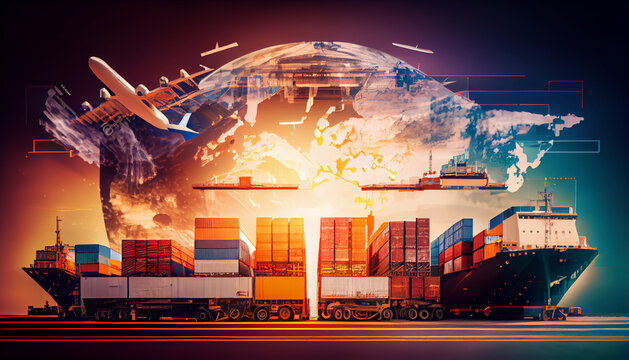
China Railway Freight Service Factory Pickup: 2026 Logistics Guide
“Selecting a reliable china railway freight service factory pickup provider is essential for businesses looking to balance speed and cost in 2026. This comprehensive logistics solution streamlines the first mile of transport by collecting goods directly from the manufacturing site. Consequently, importers can reduce the complexity of their supply chain while benefiting from the expertise of Top Freight Ltd in managing complex international shipments.”

What is China Railway Freight Service Factory Pickup?
❖Specifically, the china railway freight service factory pickup model involves a logistics provider sending a truck to your supplier’s facility to collect cargo. This service is the foundation of modern door to door logistics, ensuring that the transition from production line to rail terminal is seamless. Furthermore, it eliminates the need for the factory to arrange their own transport, which often leads to coordination errors and delays.
Logistics providers typically coordinate these pickups using a network of local trucking partners across industrial hubs like Guangdong, Zhejiang, and Jiangsu. In light of this, shippers gain better visibility into the initial stage of the journey. To clarify, once the goods are picked up, they are transported to major rail hubs such as Xi’an, Chengdu, or Chongqing for consolidation and loading onto the Trans-Eurasian rail link.
Choosing rail freight with a factory pickup option is increasingly popular for high-value goods like electronics and machinery. Therefore, it has become a staple for companies that require faster transit times than sea freight but cannot justify the high costs of air transport. Indeed, the 2026 market shows that rail remains the most balanced middle-ground solution for Eurasian trade.
How Does Rail Freight Compare to Other Shipping Options?
❖In contrast to other modes of transport, rail freight offers a unique combination of capacity and speed. While sea freight is traditionally the cheapest option, it often takes twice as long as the rail route. On the other hand, air freight is exceptionally fast but carries a price tag that can be five to ten times higher than rail.
Moreover, the environmental impact of rail transport is significantly lower than that of air or sea transport per ton-kilometer. Consequently, many corporations are switching to rail to meet their sustainability goals for 2026. Without a doubt, the stability of rail schedules compared to the volatility of ocean shipping during peak seasons makes it a strategic choice for inventory planning.
To summarize the differences, consider the following comparison table which highlights the key performance indicators for each method as of early 2026.
| Shipping Method | Cost Range | Transit Time | Best For |
|---|---|---|---|
| Sea Freight | Low ($3k-$4k/40HQ) | 30-45 Days | Bulk Goods |
| Rail Freight | Mid ($3.5k-$5k/40HQ) | 15-22 Days | Electronics/Auto |
| Air Freight | High ($5-$8/kg) | 3-7 Days | Urgent Samples |
| Express | Very High ($8+/kg) | 2-5 Days | Small Parcels |
Which Option Should You Choose for Your 2026 Shipments?
❖Deciding on the right method depends heavily on your specific business priorities and the nature of your cargo. If your primary goal is budget optimization and you have long lead times, sea freight remains the logical choice. However, if you are managing a tight inventory cycle or seasonal product launches, the speed of rail freight is indispensable.
For shipments under 15 CBM, LCL rail shipping is often more economical than renting a full container. Meanwhile, larger shipments benefit from FCL rail transport which offers better security and faster handling at terminals. As a result, many businesses utilize a hybrid strategy, using sea freight for baseline stock and rail for replenishment.
Regarding cargo type, heavy machinery and hazardous materials have specific rail regulations that might differ from maritime rules. Therefore, always consult with your freight forwarder to ensure your specific product category is eligible for the trans-continental rail routes. Indeed, the 2026 regulations have become more streamlined, but compliance remains a top priority.
The Logistics of Factory Pickup and Loading Procedures
❖The process begins with a detailed booking request that specifies the pickup location and time window. Accordingly, the logistics provider dispatches a container or a truck to the factory gates at the agreed-upon time. Furthermore, the driver inspects the packaging to ensure it meets the requirements for long-distance rail travel.
Once the cargo is loaded, it is sealed with a high-security bolt seal to prevent tampering during the journey. Subsequently, the truck travels to the nearest rail consolidation center. In addition, the provider manages the transfer from the truck to the rail wagon, ensuring that the weight distribution is balanced to prevent shifting during transit.
Notably, the integration of GPS tracking in 2026 allows shippers to monitor the pickup in real-time. Consequently, you can receive alerts the moment your goods leave the factory floor. This level of transparency is a significant advantage for modern supply chain management and risk mitigation.
Essential Documentation for Smooth Customs Clearance
❖Managing paperwork is often the most challenging part of international trade, especially across multiple borders. However, utilizing a professional customs brokerage service can prevent costly delays at border crossings like Alashankou or Malaszewicze. Specifically, you must ensure that all commercial invoices and packing lists are 100 percent accurate.
In addition to standard documents, rail freight requires a CIM consignment note, which acts as the contract of carriage for the rail journey. Moreover, certificates of origin are frequently required to benefit from specific trade agreements between China and destination countries. Therefore, preparing these documents well in advance of the factory pickup is highly recommended.
To help you stay organized, we have compiled a checklist of the most common documents required for rail shipments from China in 2026.
| Document Type | Purpose | Issuer | Required For |
|---|---|---|---|
| Commercial Invoice | Value Declaration | Exporter | All Shipments |
| Packing List | Content Details | Exporter | All Shipments |
| CIM Note | Rail Contract | Carrier | Rail Only |
| CO/Form A | Tariff Reduction | Chamber of Com. | Duty Benefits |
Understanding 2026 Rail Freight Rates and Pricing Factors
❖Rail freight rates are influenced by several factors, including fuel prices, terminal handling fees, and seasonal demand. For instance, rates typically increase by 15 to 25 percent during the peak season from August to October. Additionally, the specific route taken through Kazakhstan or Mongolia can affect the final landed cost.
As of early 2026, the market has stabilized after the disruptions seen in previous years. Nevertheless, it is important to account for ancillary costs such as insurance and last-mile delivery. Consequently, when requesting a quote for china railway freight service factory pickup, ensure it is an all-in rate to avoid unexpected surcharges.
Indeed, market data suggests that a 40HQ container from China to Central Europe currently ranges between 3,500 and 4,800 USD. For instance, LCL rates are often quoted per cubic meter, typically ranging from 120 to 180 USD depending on the destination. Note: Freight rates are subject to change based on fuel costs, carrier capacity, and seasonal demand. Contact us for a current quote tailored to your specific shipment.

Key Destinations for China Railway Freight Services
❖The primary destination for most rail shipments from China is Europe, with major hubs located in Poland, Germany, and the Netherlands. For example, the Malaszewicze terminal in Poland serves as the main gateway into the European Union. Furthermore, direct trains now run to cities like Duisburg, Hamburg, and Madrid on a regular schedule.
In addition to Europe, rail services are expanding into Central Asia and the Middle East. Consequently, countries like Uzbekistan and Kazakhstan have become vital transit points and destinations for Chinese manufactured goods. Meanwhile, the southern corridor through Turkey is gaining traction as a viable alternative for Mediterranean destinations.
Transit times vary by city, but most European destinations can be reached within 18 to 22 days from the point of rail departure. This efficiency makes the china railway freight service factory pickup a top choice for time-sensitive industrial components. Below is a summary of typical transit times for major routes as of 2026.
| Origin City | Destination | Transit (Days) | Route Type |
|---|---|---|---|
| Xi’an | Warsaw, Poland | 14-16 | Direct |
| Chengdu | Duisburg, Ger. | 16-18 | Direct |
| Chongqing | Budapest, Hun. | 18-20 | Transshipment |
| Wuhan | Lyon, France | 20-22 | Direct |
Managing the Supply Chain with Door to Door Solutions
❖Implementing a door to door strategy is the most effective way to manage international logistics. By combining china railway freight service factory pickup with final mile delivery, businesses can reduce the number of touchpoints in their supply chain. Furthermore, this end-to-end approach simplifies communication, as you only need to deal with a single logistics partner.
Specifically, the provider handles everything from the initial truck pickup to the final unloading at your warehouse. As a result, the risk of miscommunication between different carriers is virtually eliminated. Moreover, this model provides superior cost control, as all fees are consolidated into a single invoice.
In light of the 2026 logistics trends, automation and digital platforms have made these services more accessible to small and medium enterprises. Therefore, even smaller businesses can now enjoy the same level of logistics sophistication as large multinationals. Indeed, the ability to track a shipment from a factory in Ningbo to a warehouse in Berlin has never been easier.
Real Case Studies: Rail Freight Success Stories
❖To illustrate the effectiveness of these services, we have documented several successful shipments from the first quarter of 2026. These examples highlight how different businesses utilize rail freight to overcome specific logistical challenges.
Case Study 1: Automotive Components +———————————————————+ | Route: Hefei, China to Hamburg, Germany | | Cargo: Auto Parts, 68 CBM, 18,500 kg | | Container: 40HQ | | | | Shipping Details: | | – Carrier: Major Rail Operator | | – Loading: Xi’an Rail Hub | | – Discharge: Hamburg Billwerder | | – Route Type: Direct | | | | Cost Breakdown: | | – Rail Freight: $4,200 | | – Origin Charges: $450 | | – Destination Charges: $550 | | – Customs & Duties: $1,200 | | – Total Landed Cost: $6,400 | | | | Timeline: | | – Booking to Loading: 3 days | | – Rail Transit: 17 days | | – Customs Clearance: 2 days | | – Total Door-to-Door: 22 days | | | | Key Insight: Rail saved 20 days vs sea at 30% air cost. | +———————————————————+
Case Study 2: Consumer Electronics +———————————————————+ | Route: Shenzhen, China to Warsaw, Poland | | Cargo: Smart Home Devices, 5 CBM, 1,200 kg | | Container: LCL Consolidation | | | | Shipping Details: | | – Carrier: LCL Specialist | | – Loading: Shenzhen Warehouse | | – Discharge: Warsaw Terminal | | – Route Type: Direct | | | | Cost Breakdown: | | – LCL Freight: $850 | | – Origin Charges: $150 | | – Destination Charges: $200 | | – Customs & Duties: $400 | | – Total Landed Cost: $1,600 | | | | Timeline: | | – Booking to Loading: 2 days | | – Rail Transit: 15 days | | – Customs Clearance: 1 day | | – Total Door-to-Door: 18 days | | | | Key Insight: LCL rail provided air-like speed for LCL. | +———————————————————+
Future Trends in China International Rail Logistics
❖Looking ahead to the remainder of 2026 and into 2027, the rail freight sector is poised for further technological integration. For example, the use of blockchain for secure documentation is expected to become the industry standard. Furthermore, the introduction of smart containers with climate control will allow more perishable goods to travel via the rail link.
Infrastructure improvements at border crossings are also set to reduce transit times by another 10 to 15 percent. Consequently, the china railway freight service factory pickup will become even more competitive compared to air freight. Moreover, new routes connecting Southeast Asia to the Chinese rail network will create a truly global land-based logistics system.
In summary, the rail freight industry is evolving to meet the demands of a modern, fast-paced global market. Therefore, staying informed about these trends is crucial for any business involved in international trade. Indeed, the companies that adapt to these changes the fastest will gain a significant competitive advantage in their respective industries.
Summary of Rail Freight Advantages
To conclude, utilizing a china railway freight service factory pickup is a strategic move for any business importing from China in 2026. This service offers a perfect balance of speed, cost, and reliability that is difficult to match with other transport modes. Furthermore, the added convenience of factory pickup ensures that your logistics process is as smooth as possible.
Whether you are shipping full containers or smaller LCL loads, the rail network provides a robust and sustainable alternative for Eurasian trade. Consequently, we encourage you to evaluate your current shipping methods and consider the long-term benefits of rail. Contact a professional freight forwarder today to explore how these solutions can be tailored to your specific needs.

Ready to streamline your logistics?
Streamline your 2026 supply chain today with our professional china railway freight service factory pickup solutions. Our team at Top Freight Ltd is ready to provide you with a competitive quote and personalized logistics advice. Visit our website to learn more or send an inquiry to start your shipment process. We look forward to helping your business grow through efficient and reliable transport.
Request Quote