
China Shipping Agent Import Service: The Ultimate 2024 Logistics Guide
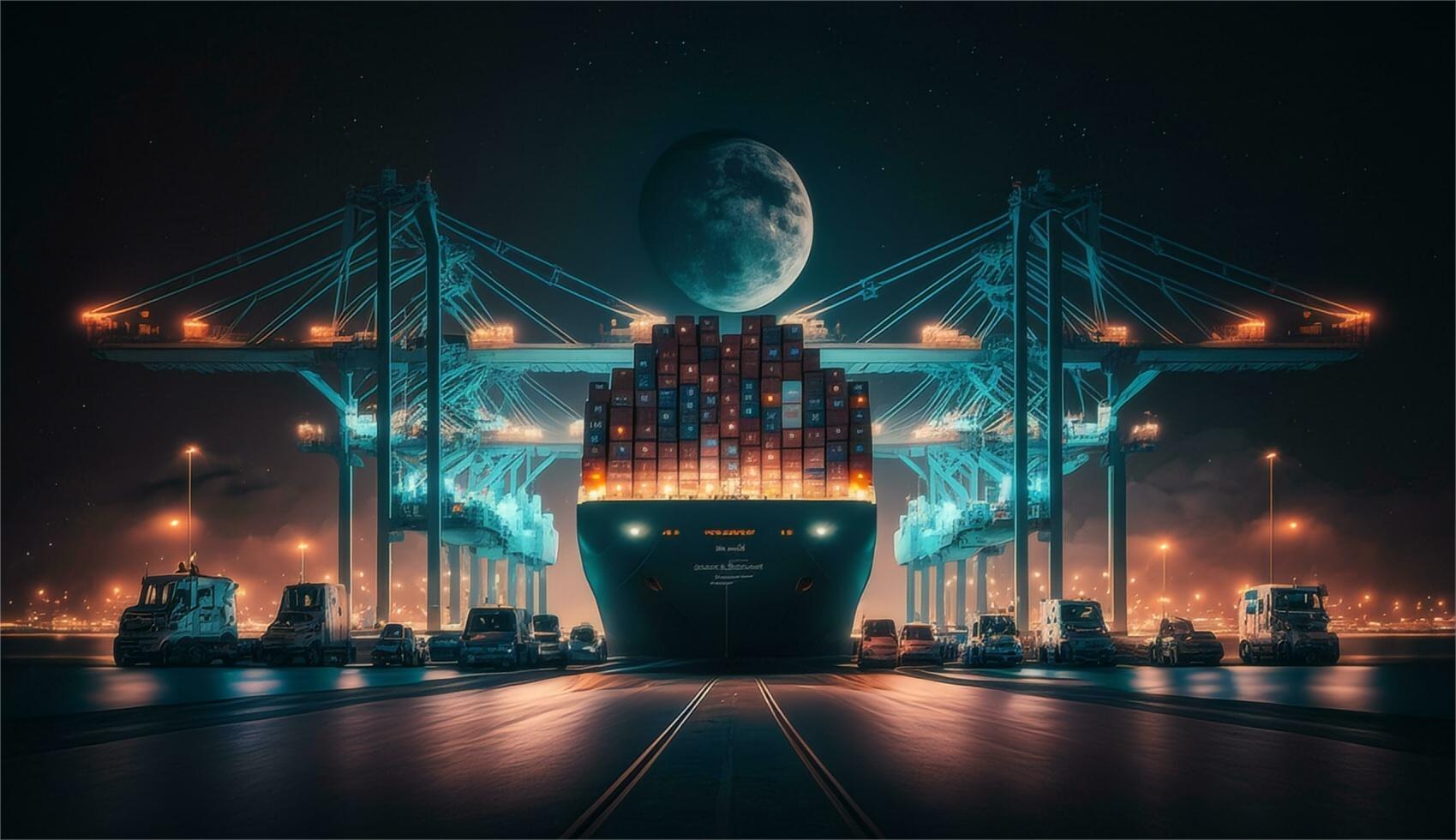
Navigating the complexities of international trade requires a reliable partner who understands the nuances of global logistics. Choosing a professional china shipping agent import service is the most critical decision for any business sourcing goods from the world’s largest manufacturing hub. Top Freight Ltd provides comprehensive solutions designed to streamline your supply chain and reduce overhead costs. Consequently, many importers find that professional management eliminates the common pitfalls of customs delays and excessive freight charges. This guide explores how expert logistics handling can transform your import operations and improve your bottom line.
What is a China Shipping Agent Import Service?
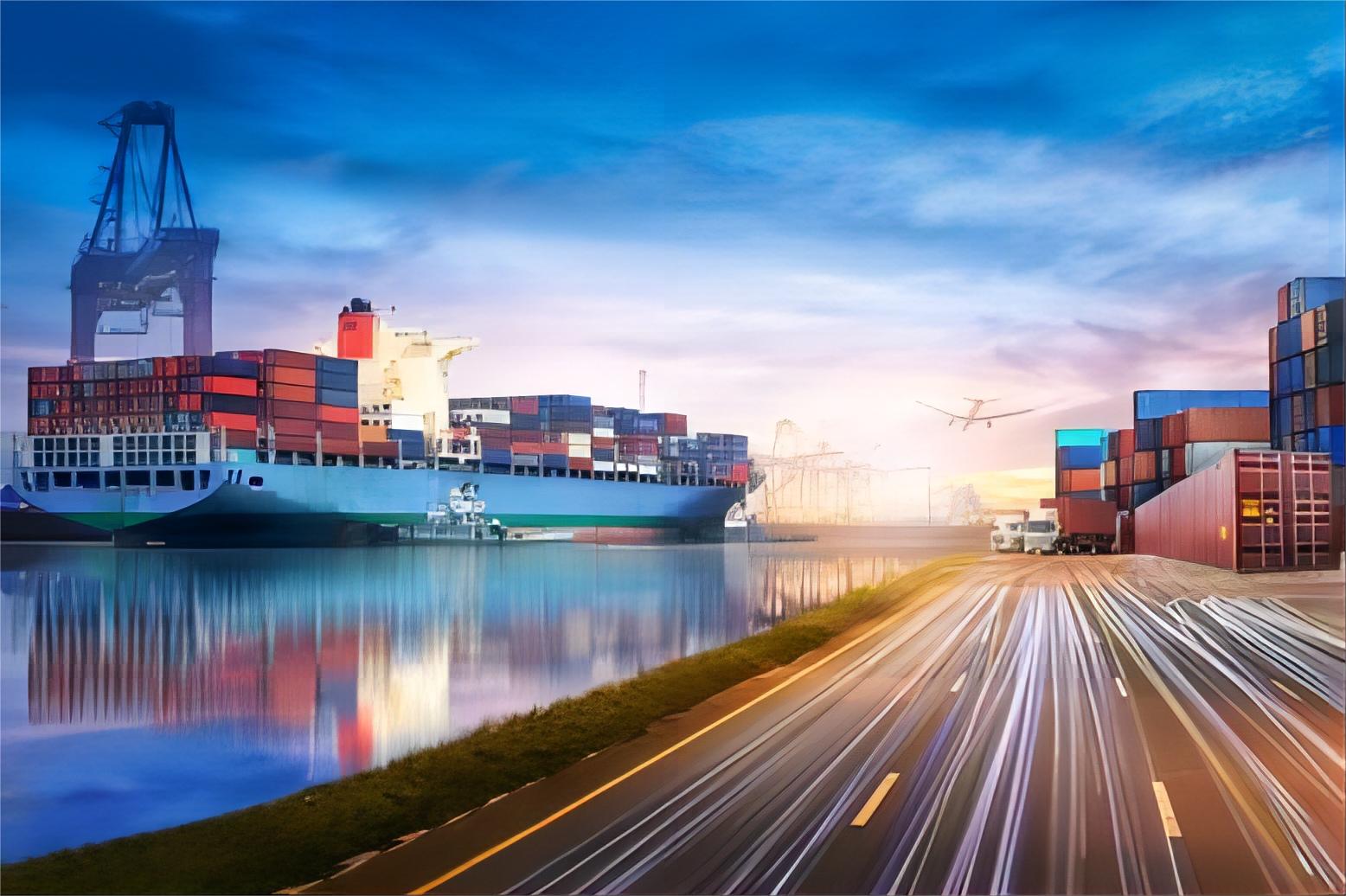
A dedicated shipping agent acts as your local representative in China to manage the movement of goods from the factory to your warehouse. These professionals handle everything from supplier coordination and quality inspections to cargo consolidation and final delivery. Moreover, they possess the local expertise required to navigate the specific regulations of different Chinese provinces. Indeed, having a boots-on-the-ground partner simplifies the entire procurement cycle.
Furthermore, a comprehensive import service includes more than just moving boxes. It involves strategic planning to ensure that your shipments comply with both Chinese export laws and your local import regulations. Consequently, you avoid the risk of seized cargo or heavy fines at the border. Many businesses rely on these agents to provide real-time tracking and visibility into their supply chains. Therefore, you can focus on marketing and sales while the logistics experts handle the physical movement of your products.
Why You Need a Professional Freight Forwarder in China
Managing international shipments without professional help often leads to unexpected expenses and logistical bottlenecks. For instance, a small error in documentation can hold up a multi-million dollar shipment for weeks. However, a professional customs brokerage service ensures that all paperwork is filed correctly the first time. This level of precision is essential for maintaining a consistent inventory flow.
Additionally, shipping agents leverage their relationships with major carriers to secure better rates than individual importers could find on their own. Because they move high volumes of cargo, they have access to discounted pricing tiers. Meanwhile, they also provide flexibility during peak seasons when space on vessels is limited. Selecting a partner like Top Freight Ltd gives you a competitive advantage in a crowded marketplace.
How Does Sea Freight Compare to Other Shipping Options?
Sea freight remains the backbone of global trade due to its incredible cost-efficiency for large volumes. While it is slower than other methods, the price per unit is significantly lower for bulk shipments. On the other hand, air freight offers unmatched speed for time-sensitive cargo or high-value electronics. To summarize, the choice between methods depends entirely on your budget and timeline.
Additionally, businesses must consider hybrid solutions like sea-air or rail-sea combinations to balance cost and speed. For shipments destined for landlocked regions, rail freight offers a middle ground between the speed of air and the low cost of sea. However, this option is generally restricted to specific corridors such as the China-Europe route. Consequently, importers must evaluate the geographical constraints of their destination before choosing a mode of transport.
| Shipping Method | Cost Range | Transit Time | Best For | Limitations |
|---|---|---|---|---|
| Sea Freight | $1,500 – $4,500 per container | 15 – 45 Days | Bulk goods and heavy machinery | Slowest transit times |
| Air Freight | $4.00 – $10.00 per kg | 3 – 7 Days | High-value or urgent goods | Very high cost |
| Rail Freight | $2,000 – $3,500 per container | 15 – 20 Days | Mid-range budget for Europe | Limited routes |
| Express Service | $6.00 – $15.00 per kg | 2 – 5 Days | Samples and small parcels | Weight restrictions |

Understanding the Total Landed Cost of Your Imports
Calculating the total landed cost is vital for determining the actual profitability of your imported products. This figure includes the factory price, shipping fees, insurance, and all applicable duties and taxes. Without a doubt, overlooking destination charges like port handling or terminal fees can ruin your margins. Therefore, a transparent door to door service is often the best way to get a predictable final price.
Moreover, freight rates fluctuate based on fuel surcharges and seasonal demand. For example, during the Chinese New Year or the Q4 peak season, rates can spike by 20% or more. Accordingly, smart importers plan their shipments months in advance to lock in lower prices. Indeed, market data suggests that early booking is the most effective way to manage rising logistics costs.
Which Option Should You Choose?
Deciding on the right shipping method requires a clear understanding of your business priorities. If your primary goal is to minimize expenditure, sea freight is the logical choice for shipments over 2 CBM. Conversely, if you are launching a new product and need it in stock immediately, air freight is the only viable solution. Each scenario demands a different strategic approach.
Furthermore, Amazon sellers have unique requirements that differ from traditional wholesalers. Using a specialized Amazon FBA shipping agent ensures that your goods meet the strict labeling and packaging standards of the fulfillment centers. Consequently, you avoid the risk of your shipment being rejected upon arrival. In contrast, B2B importers might prioritize direct port-to-port delivery to save on local drayage costs.
Decision Framework for Importers
Budget priority: Recommend Sea Freight (FCL or LCL).
Speed priority: Recommend Air Freight or Express Service.
Cargo type considerations: Use specialized containers for hazardous or oversized items.
Volume thresholds: Switch from LCL to FCL once your volume exceeds 15 CBM.
Essential Customs Documents for International Shipping
Accurate documentation is the foundation of a successful import operation. The most important documents include the Commercial Invoice, Packing List, and Bill of Lading. Additionally, certain products require specific certificates, such as a Certificate of Origin or a CE certificate for electronics. As a result, working with an agent who double-checks these forms is invaluable.
Meanwhile, errors in HS Code classification can lead to overpaying duties or facing legal audits. Your shipping agent should provide guidance on the correct classification for each item in your inventory. Consequently, you ensure compliance while optimizing your tax liability. Indeed, professional oversight is the best defense against customs-related delays.
Case Studies: Real-World Import Success Stories
Case Study 1: Electronics from Shenzhen to Hamburg. Route: Shenzhen, China to Hamburg, Germany. Cargo: LED Displays, 12 CBM, 3500 kg. Container: LCL 12 CBM. Shipping Details: Major carrier via Suez Canal. Cost Breakdown: Ocean Freight $1,800, Origin Charges $350, Destination Charges $450, Customs $1,200. Total Landed Cost: $3,800. Timeline: 35 days door-to-door. Key Insight: Consolidating cargo saved the client 40% compared to air freight.
Case Study 2: Apparel from Ningbo to Los Angeles. Route: Ningbo, China to Los Angeles, USA. Cargo: Cotton T-shirts, 68 CBM, 12000 kg. Container: 40HQ. Shipping Details: Direct service via COSCO. Cost Breakdown: Ocean Freight $3,500, Origin Charges $500, Destination Charges $600, Customs $4,500. Total Landed Cost: $9,100. Timeline: 22 days door-to-door. Key Insight: Direct routing avoided West Coast port congestion during peak season.
Case Study 3: Furniture from Shanghai to Sydney. Route: Shanghai, China to Sydney, Australia. Cargo: Luxury Sofas, 28 CBM, 4500 kg. Container: 20GP. Shipping Details: Direct service via OOCL. Cost Breakdown: Ocean Freight $1,100, Origin Charges $300, Destination Charges $400, Customs $800. Total Landed Cost: $2,600. Timeline: 16 days door-to-door. Key Insight: Proper fumigation documentation prevented quarantine delays in Australia.
How to Save Money on Your China Shipping Costs
Reducing your logistics spend requires a proactive approach to cargo management. For instance, optimizing your packaging can significantly reduce the volumetric weight of your air freight shipments. Furthermore, consolidating multiple small orders into a single large shipment helps you qualify for lower FCL rates. Accordingly, many businesses find that minor adjustments to their ordering schedule lead to massive savings.
Additionally, you should always request a comprehensive quote that includes all potential surcharges. Some agents offer low base rates but add hidden fees during the final delivery phase. However, Top Freight Ltd prides itself on transparent pricing models that help you budget effectively. Indeed, knowing your costs upfront is the only way to maintain a healthy profit margin in the long term.

Final Thoughts on Importing from China
Mastering the art of international trade is a journey that requires the right partnerships. By utilizing a professional <a href=”https://topfreightltd.com/”>china shipping agent import service</a>, you mitigate the risks associated with global logistics and focus on growing your business. Whether you choose sea, air, or rail freight, the key is to remain informed and prepared for market fluctuations. Top Freight Ltd stands ready to support your success with reliable, efficient, and cost-effective shipping solutions tailored to your unique needs.
Get Your Shipping Quote Today
Streamline your supply chain today with a professional china shipping agent import service. Contact Top Freight Ltd for a customized quote and expert guidance on your next shipment. Visit our website to learn more about our comprehensive logistics solutions. Send Inquiry: https://topfreightltd.com/
Request Quote