
China Supplier Freight Forwarding Premium Service: 2026 Guide
Securing a reliable China supplier freight forwarding premium service is essential for businesses aiming to dominate the global market in 2026. Many importers face significant hurdles such as port congestion, complex documentation, and fluctuating freight rates that threaten their bottom line. However, by choosing a high-end logistics partner, you can transform these challenges into competitive advantages through streamlined supply chain management. Consequently, this article explores how premium logistics solutions provide the visibility and efficiency required for modern international trade.
✦
What Defines a China Supplier Freight Forwarding Premium Service?
A premium logistics solution goes beyond simple transportation by offering comprehensive end-to-end management of your cargo. Specifically, it involves dedicated account managers who oversee every step of the journey from the factory floor to your warehouse. Moreover, these services prioritize transparency, providing real-time tracking and proactive communication regarding any potential delays.
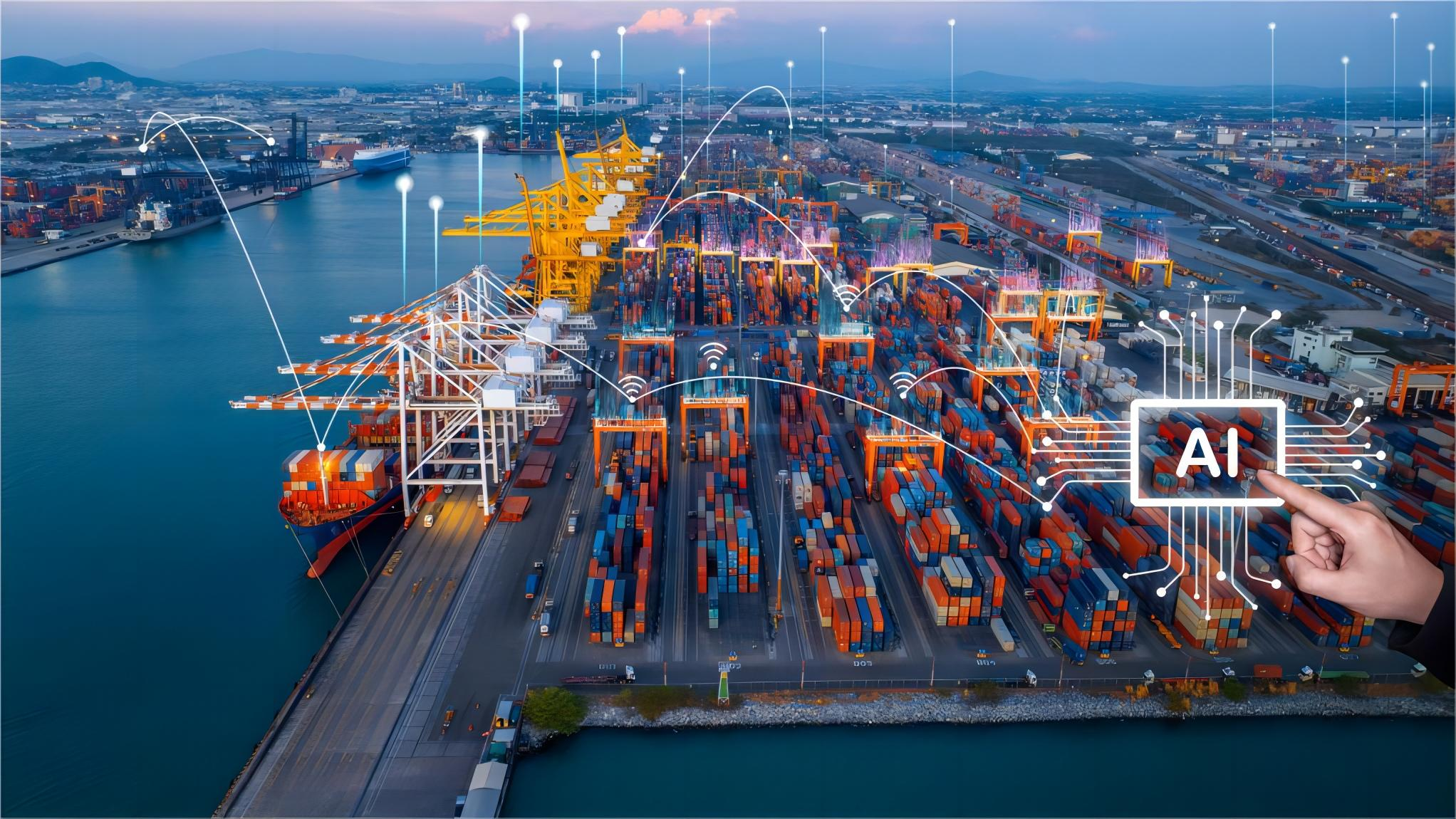
In addition, a top-tier provider integrates advanced technology to optimize delivery schedules and minimize shipping costs. This approach ensures that your inventory management remains fluid and responsive to market demands. Therefore, investing in high-quality logistics is not just an expense but a strategic move for long-term growth.
Furthermore, premium services often include specialized cargo handling for fragile or high-value items. This level of care reduces the risk of damage during transit, which is a common pain point for many importers. Meanwhile, you can rest assured that your brand reputation is protected by consistent and reliable delivery performance.
How Does Premium Sea Freight Compare to Other Shipping Options?
When evaluating your logistics strategy, understanding the nuances of different transport modes is critical for cost-efficiency. While sea freight remains the most economical choice for large volumes, it requires careful planning due to longer transit times. Nevertheless, premium sea freight options often include priority loading and faster vessel routes to shave days off the schedule.
On the other hand, air freight provides unmatched speed for urgent shipments, though at a significantly higher price point. Consequently, many businesses adopt a hybrid strategy to balance their budget and urgency requirements. For instance, you might use sea freight for your core inventory while reserving air freight for seasonal peaks or emergency restocks.
| Shipping Method | Cost Range | Transit Time | Best For |
|---|---|---|---|
| Sea Freight (FCL) | $2,000 – $4,500 | 18 – 40 Days | Bulk Inventory |
| Air Freight | $5.00 – $12.00/kg | 3 – 7 Days | High-Value Goods |
| Rail Freight | $1,500 – $3,000 | 15 – 25 Days | Europe Routes |
| Express Service | $8.00 – $15.00/kg | 2 – 5 Days | Small Samples |
Why Should You Use Air Freight for Urgent Cargo?
In the fast-paced world of 2026 commerce, air freight serves as the backbone for time-sensitive supply chains. Indeed, the ability to move products across continents in less than a week allows businesses to respond instantly to shifting consumer trends. However, the cost per kilogram is substantially higher than ocean transport, necessitating a focus on high-margin products.
Additionally, air transport offers enhanced security and lower insurance premiums due to the reduced time in transit. This makes it an ideal choice for electronics, pharmaceuticals, and luxury fashion items. Furthermore, premium air services include guaranteed space even during peak seasons, ensuring your delivery schedule remains uninterrupted.
Consequently, businesses that prioritize speed often find that the reduced lead times justify the higher freight rates. By minimizing the time capital is tied up in transit, you can improve your cash flow and reinvest in other areas of the business. Therefore, air freight remains a vital component of a China supplier freight forwarding premium service.
Can Rail Freight Optimize Your Europe Supply Chain?
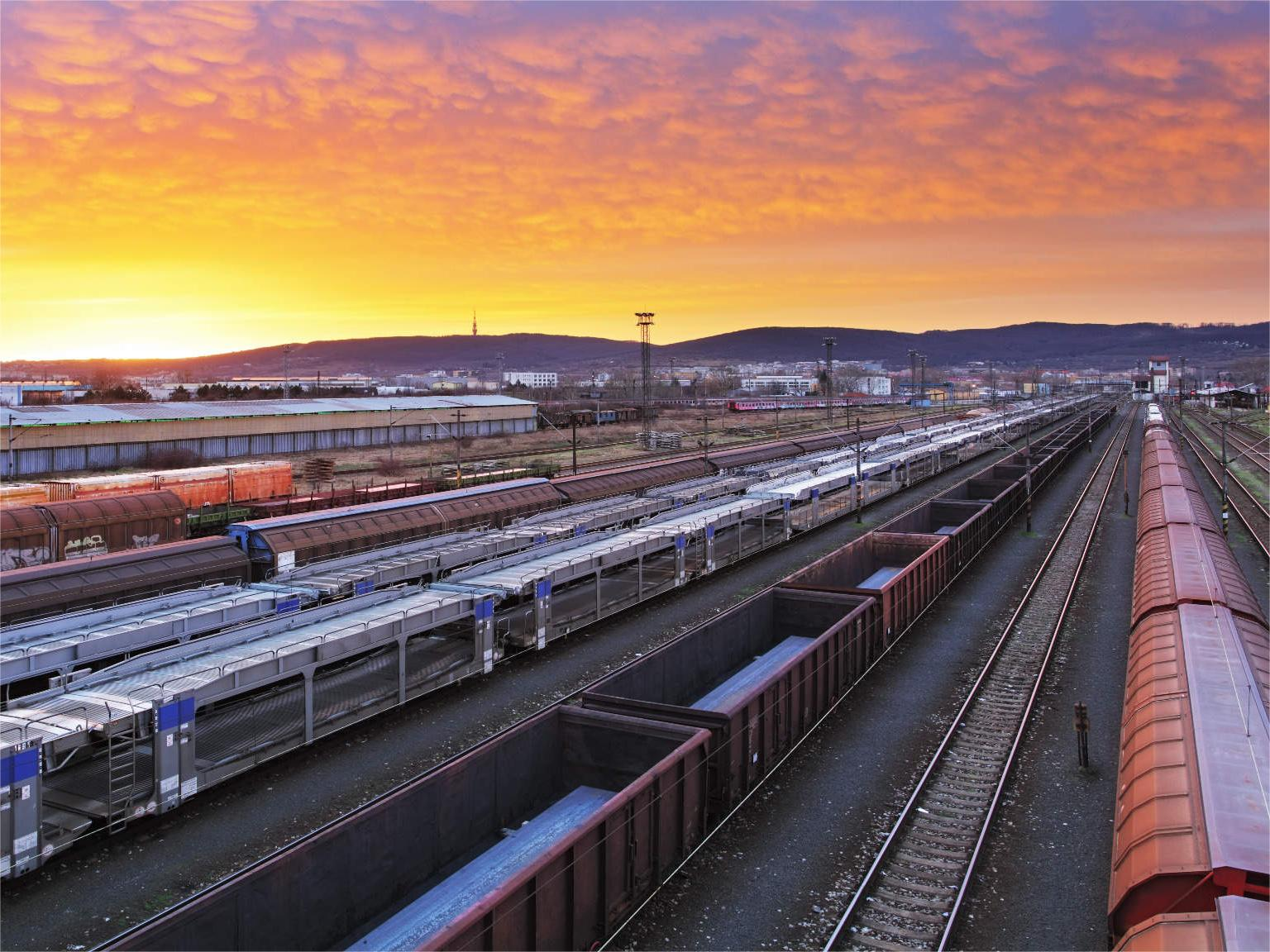
For shipments heading to the Western market, rail freight offers a compelling middle ground between sea and air. Specifically, the China-Europe Railway Express provides a reliable alternative that is faster than ships and cheaper than planes. Moreover, this method is less susceptible to weather-related disruptions compared to maritime routes.
As a result, many European importers have shifted their mid-sized shipments to rail to achieve better balance in their logistics trends. In addition, rail transport is considered more environmentally friendly, aligning with the growing corporate focus on sustainability in 2026. Nevertheless, it is important to monitor the geopolitical landscape, as route availability can change based on regional stability.
To summarize, rail freight provides a strategic advantage for those looking to reduce transit time without the extreme costs of air transport. It is particularly effective for automotive parts and industrial machinery. Without a doubt, including rail in your logistics mix enhances your overall supply chain resilience.
Should You Choose a Door to Door Service for Convenience?
Managing multiple vendors can be a logistical nightmare, which is why a door to door service is highly recommended for premium clients. This comprehensive solution handles everything from the factory pickup in China to the final delivery at your doorstep. Consequently, you no longer need to coordinate separately with truckers, warehouse operators, and local couriers.
Furthermore, this streamlined approach reduces the risk of communication errors that often lead to costly delays. In contrast to port-to-port shipping, door-to-door services provide a single point of contact and one all-inclusive invoice. Therefore, you can spend less time on logistics administration and more time on sales and marketing.
Specifically, premium door-to-door providers use advanced last-mile delivery networks to ensure the final leg of the journey is as efficient as the first. This is especially beneficial for Amazon FBA sellers who must adhere to strict delivery windows. As a result, this service has become a gold standard for modern import/export operations.
How to Navigate Customs Brokerage and Compliance?
One of the most complex aspects of international trade is ensuring that your shipments comply with all local regulations. Professional customs brokerage services are essential to avoid heavy fines and cargo seizures at the border. Indeed, a premium forwarder will review all your commercial invoices and packing lists before the cargo even leaves China.
Moreover, they stay updated on the latest tariff changes and trade agreements, which can save you thousands of dollars in duties. In addition, expert brokers can assist with specialized permits for restricted items or hazardous materials. Consequently, having a knowledgeable partner in your corner mitigates the risks associated with ever-changing import laws.
Meanwhile, efficient customs clearance ensures that your goods move through the port without unnecessary storage fees. For instance, a delay of just a few days can result in significant demurrage charges that eat into your profits. Therefore, high-quality brokerage is a non-negotiable part of any China supplier freight forwarding premium service.
Which Option Should You Choose? Decision Framework
Choosing the right shipping method requires a careful analysis of your budget, cargo type, and urgency. For instance, if your primary goal is to minimize shipping costs and you have ample lead time, sea freight is the logical choice. However, if you are launching a new product and need to hit a specific marketing date, the speed of air freight is indispensable.
Additionally, consider the volume of your shipment, as LCL (Less than Container Load) might be more cost-effective for smaller batches. On the other hand, FCL (Full Container Load) provides better security and faster handling for larger orders. To summarize, your decision should align with your specific business objectives and the nature of your cargo.
| Priority | Recommended Method | Key Benefit | Trade-off |
|---|---|---|---|
| Lowest Cost | Sea Freight LCL | Minimal Expense | Slowest Speed |
| Maximum Speed | Air Freight | Rapid Delivery | Highest Price |
| Reliability | Rail Freight | Stable Schedule | Limited Routes |
| Convenience | Door to Door | Zero Effort | Service Premium |
2026 Logistics Case Studies and Real-World Examples
Case Study 1: Electronics Distribution to North America. Origin: Shenzhen, China. Destination: Los Angeles, USA. Cargo: 40HQ Container of Consumer Electronics. Method: Premium Sea Freight with Priority Discharge. Ocean Freight: $3,200. Total Door-to-Door: 16 Days. Key Insight: Utilizing a premium vessel service allowed the client to avoid 5 days of port congestion during the Q3 peak season.
Case Study 2: Industrial Parts to Europe. Origin: Ningbo, China. Destination: Hamburg, Germany. Cargo: 5 CBM of Machinery Components. Method: Rail Freight LCL. Cost: $1,850. Transit Time: 22 Days. Key Insight: Rail provided a 15-day time saving over sea freight at only 30 percent of the cost of air freight, maintaining the production schedule.
Case Study 3: Urgent Medical Supplies to Australia. Origin: Shanghai, China. Destination: Sydney, Australia. Cargo: 200kg of PPE and Medical Devices. Method: Air Freight Express. Cost: $1,400. Transit Time: 4 Days. Key Insight: Direct air routing ensured that the time-sensitive medical supplies reached the hospital network within the required 96-hour window.
Note: Freight rates are subject to change based on fuel costs, carrier capacity, and seasonal demand. Contact us for a current quote tailored to your specific shipment.

Summary of Premium Logistics Benefits
To summarize, navigating the complexities of international trade in 2026 requires more than just a basic shipping provider. By utilizing a China supplier freight forwarding premium service, you gain access to expert knowledge, faster transit times, and superior cargo handling. Furthermore, these services provide the peace of mind needed to scale your operations globally without the constant worry of logistics disruptions.
In addition, the strategic use of sea, air, and rail freight allows you to optimize your delivery schedule while keeping shipping costs under control. Ultimately, the right logistics partner acts as an extension of your own team, driving efficiency and profitability. Therefore, choose a partner that prioritizes your success and offers the high-end service your business deserves.