
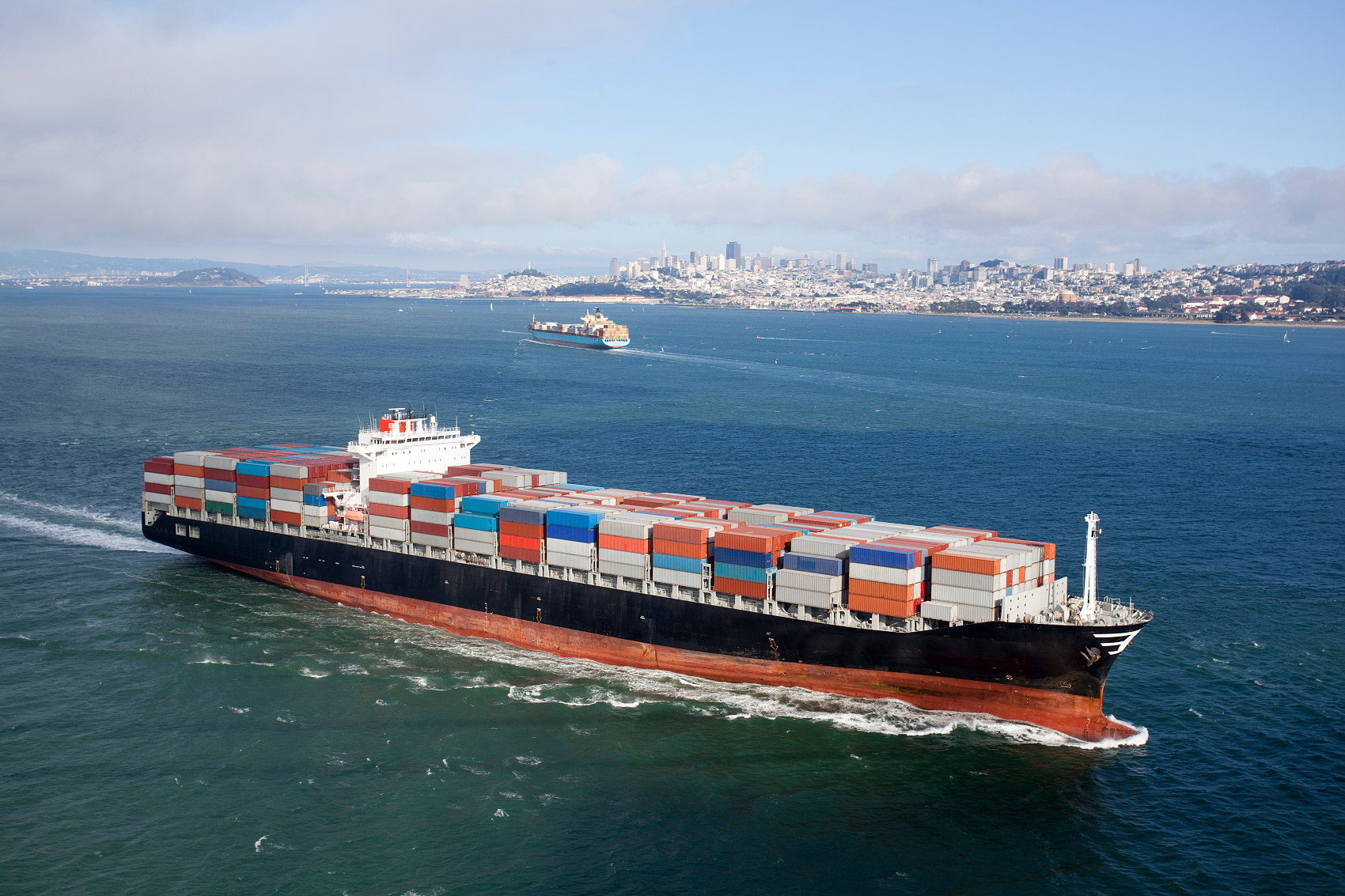
China to Australia Sea Freight Bulk Shipping: The Ultimate Guide
Managing china to australia sea freight bulk shipping requires a deep understanding of maritime logistics and international trade regulations. Many businesses struggle with the complexities of moving large volumes of raw materials or industrial goods across the Pacific. At Top Freight Ltd, we specialize in simplifying these processes to ensure your cargo arrives safely and efficiently. This guide provides comprehensive insights into the most effective ways to handle your bulk shipments while maintaining a healthy bottom line.
What Is China to Australia Sea Freight Bulk Shipping?
Bulk shipping involves the transportation of unpackaged goods in large quantities, typically stored directly in the hold of a ship. This method differs significantly from containerized transport, as it focuses on commodities like coal, grain, iron ore, or heavy machinery. Consequently, businesses often choose sea freight when dealing with industrial-scale volumes that do not fit standard dimensions.
Choosing the right vessel type is critical for maintaining cargo integrity during the long voyage. For example, dry bulk carriers handle grains and minerals, while breakbulk ships carry oversized equipment that requires specialized cranes. Furthermore, the logistics chain for bulk cargo involves unique port infrastructure and handling equipment at both the loading and discharge points.
Specifically, the route from China to Australia is one of the busiest maritime corridors in the Southern Hemisphere. Because of this high demand, shippers must navigate varying port regulations and seasonal weather patterns. Additionally, understanding the distinction between different bulk categories helps in selecting the most cost-effective shipping solution for your specific industry needs.

How Does Bulk Shipping Compare to Other Shipping Options?
Evaluating different transport methods allows businesses to balance speed, cost, and safety effectively. While bulk shipping is ideal for massive quantities, air freight offers a much faster alternative for urgent, high-value items. However, the cost difference between these two modes is substantial, making sea transport the preferred choice for most industrial operations.
In contrast, containerized shipping (FCL and LCL) provides more protection for finished goods but lacks the capacity for raw materials. Therefore, shippers must weigh the benefits of specialized bulk handling against the convenience of standard containers. Moreover, hybrid solutions sometimes integrate different modes to optimize the supply chain, though direct sea routes remain the standard for bulk commodities.
According to industry benchmarks, sea freight provides the lowest cost per ton for long-distance transport. Nevertheless, the longer transit times require careful inventory management and forward planning. The following table illustrates how these methods compare across key performance indicators for the China-Australia route.
| Bulk Shipping | Low ($20-$60/ton) | 15-25 Days | Raw materials, ores |
| FCL Container | Medium ($1200-$2000) | 12-18 Days | Finished goods |
| LCL Container | Moderate ($50-$150/CBM) | 15-22 Days | Small pallets |
| Air Freight | High ($4-$8/kg) | 3-7 Days | Urgent samples |
Which Option Should You Choose for Your Australia Cargo?
Determining the best logistics strategy depends on your specific budget priorities and cargo characteristics. If your primary goal is cost minimization for thousands of tons of material, bulk vessels are the clear winner. On the other hand, if you are shipping fragile industrial components, containerization might offer better security despite higher unit costs.
Volume thresholds play a significant role in this decision-making process. For instance, shipments exceeding 500 tons typically transition from containerized freight to breakbulk or full bulk vessels. Additionally, you should consider the infrastructure at your destination port, as not all Australian terminals can handle every type of bulk discharge.
Speed priority often dictates a move toward faster, albeit more expensive, alternatives. Nevertheless, for the vast majority of china to australia sea freight bulk shipping requirements, the economy of scale provided by maritime transport is unbeatable. We recommend consulting with a freight expert to analyze your specific volume and timeline before making a final commitment.
Understanding Transit Times and Major Port Routes
Transit times for bulk cargo are influenced by the port of loading and the specific destination in Australia. Generally, shipments departing from southern Chinese ports like Shenzhen reach Brisbane faster than those leaving from northern hubs like Tianjin. Furthermore, the type of vessel and the weather conditions in the South China Sea can impact the overall schedule.
Direct routes are the most common for bulk commodities to ensure maximum efficiency. Meanwhile, some shipments might involve transshipment if the destination is a smaller secondary port. Notably, Australia’s major ports like Sydney, Melbourne, and Fremantle have dedicated bulk terminals to expedite the unloading process.
Typical transit times range from 12 to 25 days depending on the specific port pair. For example, a direct voyage from Shanghai to Sydney usually takes about 14 to 16 days under normal conditions. The table below provides an overview of expected timelines for major shipping lanes.
| Shanghai | Sydney | 14-16 | Direct |
| Shenzhen | Brisbane | 12-14 | Direct |
| Ningbo | Melbourne | 15-18 | Direct |
| Qingdao | Fremantle | 18-22 | Transshipment |

Cost Factors in China to Australia Sea Freight Bulk Shipping
Several variables influence the final price of moving bulk cargo across the ocean. Ocean freight rates fluctuate based on global fuel prices, vessel availability, and seasonal demand. Additionally, port charges at both ends, including terminal handling and stevedoring, contribute significantly to the total landed cost.
Market data suggests that rates typically increase by 15-25% during the peak season from August to October. Consequently, savvy shippers often book their space well in advance to avoid these price spikes. Moreover, the specific nature of the cargo, such as its density and handling requirements, will dictate the applicable tariff.
Note: Freight rates are subject to change based on fuel costs, carrier capacity, and seasonal demand. Contact us for a current quote tailored to your specific shipment. Without a doubt, working with a professional who understands current market intelligence can save your business thousands of dollars in unnecessary fees.
Alternative Strategies for Cost-Saving and Efficiency
Implementing alternative logistics strategies can provide a competitive edge in the Australian market. For example, door to door services integrate trucking and sea freight into a single seamless contract. This approach reduces the administrative burden and often lowers the risk of communication errors between different providers.
Another effective strategy involves using hybrid solutions or consolidating smaller bulk shipments into larger lots. Additionally, choosing off-peak shipping windows can lead to significant savings on ocean freight. Furthermore, optimizing your packaging and loading techniques ensures that you maximize the available space in the vessel hold.
Indeed, many companies now explore sea-air combinations for urgent components of a larger bulk project. This allows the bulk material to travel economically by sea while critical parts arrive quickly by air. By diversifying your shipping methods, you create a more resilient supply chain that can adapt to global disruptions.
Real Case Studies: Bulk Shipping Success Stories
Analyzing real-world examples helps clarify the practicalities of china to australia sea freight bulk shipping. These cases reflect actual market conditions and demonstrate how different challenges are managed. Below are two scenarios involving industrial cargo and raw materials.
Case Study 1: Industrial Steel Pipes. Origin: Shanghai, China. Destination: Sydney, Australia. Cargo: 1,200 tons of steel piping. Shipping Method: Breakbulk vessel. Total Landed Cost: $72,000. Transit Time: 17 days. Key Insight: Using a specialized breakbulk carrier prevented damage that often occurs in standard containers.
Case Study 2: Agricultural Machinery. Origin: Ningbo, China. Destination: Melbourne, Australia. Cargo: 15 units of heavy harvesters. Shipping Method: Ro-Ro (Roll-on/Roll-off). Total Landed Cost: $45,000. Transit Time: 19 days. Key Insight: Ro-Ro was 20% cheaper than dismantling the machinery for container shipping.

Customs Documentation and Regulatory Compliance
Navigating the legal requirements for importing bulk goods into Australia is a complex task. You must provide accurate documentation, including bills of lading, commercial invoices, and packing lists. Moreover, Australian Border Force maintains strict biosecurity standards that require specific treatments for certain bulk commodities.
Utilizing a professional customs brokerage service ensures that your paperwork complies with all current regulations. Consequently, you avoid costly delays and potential fines associated with incorrect filings. Furthermore, understanding the China-Australia Free Trade Agreement (ChAFTA) can help you access preferential duty rates for your cargo.
Specifically, bulk shipments often require additional permits if they contain hazardous materials or specific agricultural products. Therefore, you should verify all compliance requirements at least three weeks before the vessel departs China. Proper preparation is the most effective way to ensure a smooth transition through the port of discharge.
Mastering Your Bulk Shipping Strategy
To summarize, successful china to australia sea freight bulk shipping depends on meticulous planning and choosing the right partners. By understanding the differences between bulk and containerized options, you can make informed decisions that protect your margins. Additionally, staying informed about market trends and transit times allows you to manage customer expectations effectively.
Ultimately, the goal is to create a predictable and cost-effective flow of goods from Chinese manufacturers to Australian industries. Whether you are moving minerals, machinery, or agricultural products, the strategies outlined in this guide provide a solid foundation for your logistics operations. Partnering with experienced professionals like Top Freight Ltd ensures that your bulk cargo remains in safe hands from port to port.
Ready to streamline your logistics?
Are you ready to optimize your supply chain with reliable china to australia sea freight bulk shipping solutions? Our team of logistics experts is standing by to provide you with a customized quote and professional guidance for your next major shipment. Visit our inquiry page to get started and experience the benefits of working with a premier freight forwarding partner. Send Inquiry: https://topfreightltd.com/contact-us/
Request Quote