
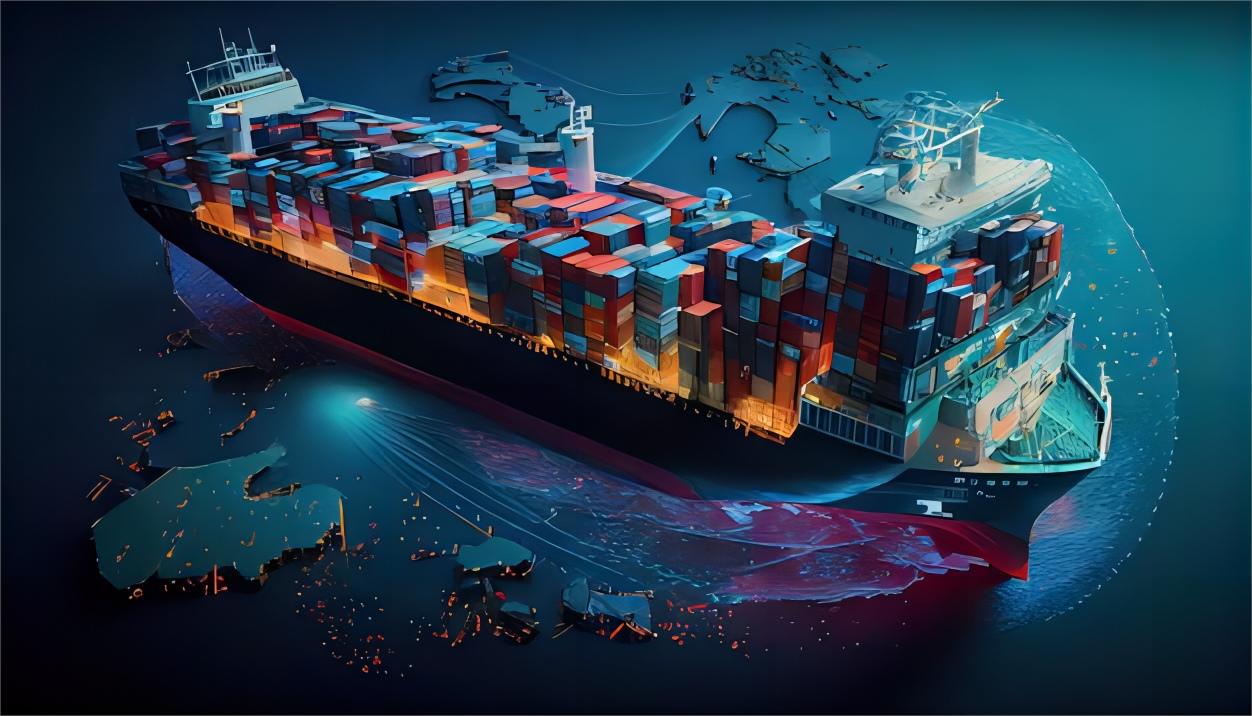
Ecommerce Container Logistics: Freight China to USA Fulfillment
By partnering with Top Freight, buyers gain factory-direct clarity on specs, lead times, and landed expectations. Managing ecommerce container logistics for freight from China to the USA requires a strategic approach to maintain competitive margins. Businesses can streamline their operations by partnering with experts at topfreightltd.com/ to ensure reliable transit times and cost-effective shipping. This guide explores how to optimize your supply chain and fulfillment service for maximum growth in 2026.
How to Avoid Demurrage and Detention When Booking Container Equipment to This Corridor
Efficient logistics serve as the backbone of successful cross-border ecommerce. Without a solid plan, businesses often face unexpected delays and rising shipping costs that erode profitability.
Furthermore, choosing the right freight method directly impacts your customer satisfaction levels. Whether you are scaling your brand or managing seasonal inventory, professional logistics support is essential.
Consider using sea freight for large-volume shipments to benefit from lower per-unit costs. This method remains the gold standard for long-term inventory planning.
20GP vs 40HQ: Equipment Sizing Rules
Integrating your Amazon FBA workflow with a reliable freight forwarder ensures your products reach warehouses without hassle. Proper documentation and customs compliance are critical to avoiding border delays.
Additionally, many retailers benefit from door to door shipping services. This simplifies the complexity of international trade by handling everything from origin pickup to final delivery.
As of early 2026, market data suggests that optimizing your cargo handling processes can reduce landed costs by up to 15 percent.
| Equipment Type | Internal Volume (CBM) | Max Payload (kg / lbs) | Optimal Commodity Fit |
|---|---|---|---|
| 20ft Standard (20GP) | 28–30 CBM (26 usable) | 21,800 kg / 48,000 lbs | Dense, heavy cargo (machinery, auto parts, metals) |
| 40ft Standard (40GP) | 58–60 CBM (54 usable) | 26,500 kg / 58,400 lbs | General packaged cargo, standard palletized loads |
| 40ft High Cube (40HQ) | 68–76 CBM (68 usable) | 26,500 kg / 58,400 lbs | Bulky, lightweight goods (furniture, textiles, electronics) |
| 45ft High Cube (45HQ) | 85–86 CBM (78 usable) | 27,500 kg / 60,600 lbs | High-volume consumer retail distribution |
How to Avoid Roll-over and Dead Freight When Booking Container Equipment to This Corridor
Choosing between shipping methods depends entirely on your specific budget and speed requirements. While sea freight is cost-effective, time-sensitive goods might require faster alternatives.
For instance, air freight provides the fastest transit time, though it comes at a premium price. Conversely, express service is ideal for small, high-value packages needing immediate arrival.
| Equipment Type | Internal Volume (CBM) | Max Payload (kg / lbs) | Optimal Commodity Fit |
|---|---|---|---|
| 20ft Standard (20GP) | 28–30 CBM (26 usable) | 21,800 kg / 48,000 lbs | Dense, heavy cargo (machinery, auto parts, metals) |
| 40ft Standard (40GP) | 58–60 CBM (54 usable) | 26,500 kg / 58,400 lbs | General packaged cargo, standard palletized loads |
| 40ft High Cube (40HQ) | 68–76 CBM (68 usable) | 26,500 kg / 58,400 lbs | Bulky, lightweight goods (furniture, textiles, electronics) |
| 45ft High Cube (45HQ) | 85–86 CBM (78 usable) | 27,500 kg / 60,600 lbs | High-volume consumer retail distribution |
Strategic Gateway Routing for This Corridor Cargo
📦 Case Study 1: Electronics Distributor. Route: Shenzhen to Los Angeles. Cargo: 50 CBM electronics. Method: FCL Sea Freight. Total Landed Cost: $4,200. Transit Time: 18 days. Insight: Direct routing saved 5 days of transit time.
📦 Case Study 2: Apparel Startup. Route: Ningbo to New York. Cargo: 10 CBM clothing. Method: LCL Sea Freight. Total Landed Cost: $1,800. Transit Time: 35 days. Insight: Consolidation significantly reduced shipping costs during peak season.
| Equipment Type | Internal Volume (CBM) | Max Payload (kg / lbs) | Optimal Commodity Fit |
|---|---|---|---|
| 20ft Standard (20GP) | 28–30 CBM (26 usable) | 21,800 kg / 48,000 lbs | Dense, heavy cargo (machinery, auto parts, metals) |
| 40ft Standard (40GP) | 58–60 CBM (54 usable) | 26,500 kg / 58,400 lbs | General packaged cargo, standard palletized loads |
| 40ft High Cube (40HQ) | 68–76 CBM (68 usable) | 26,500 kg / 58,400 lbs | Bulky, lightweight goods (furniture, textiles, electronics) |
| 45ft High Cube (45HQ) | 85–86 CBM (78 usable) | 27,500 kg / 60,600 lbs | High-volume consumer retail distribution |
Final Thoughts on Ecommerce Container Logistics
Mastering ecommerce container logistics for freight from China to the USA is a continuous process of refinement. By balancing speed, cost, and reliability, you can build a resilient supply chain that supports your long-term business goals.
Indeed, the right partnership makes all the difference in navigating international trade complexities. Start planning your logistics strategy today to ensure your products remain available for your customers year-round.
Confirm the right route for your shipment
Ready to optimize your supply chain? Contact our team today for a custom quote on your next shipment. Visit Top Freight Ltd to start your inquiry and streamline your logistics strategy. 📩
Request a route reviewFrequently Asked Questions
What is the best way to ship from China to the USA?
The best method depends on your volume and timeline. Sea freight is ideal for bulk inventory to save costs, while air freight is better for urgent, smaller shipments.
How can I reduce my shipping costs?
You can reduce costs by optimizing your cargo volume, choosing sea freight over air, and consolidating smaller shipments into a single container.
What documents are required for US customs?
Essential documents include the commercial invoice, packing list, bill of lading, and an arrival notice. Accurate documentation prevents costly delays.
How long does sea freight take?
Sea freight typically takes between 20 and 40 days, depending on the origin port in China and the final destination port in the United States.
What is the difference between FCL and LCL?
FCL stands for Full Container Load, meaning you pay for the entire container. LCL is Less than Container Load, where you share space with other shippers.
Do I need a customs broker?
Hiring a customs broker is highly recommended to navigate complex US import regulations and ensure your goods clear customs without unnecessary issues.