
LCL Shipping China France: The Ultimate 2025 Importer Guide
LCL shipping China France offers a strategic advantage for businesses that need to transport smaller quantities of goods without paying for a full container. By leveraging the expertise of Top Freight Ltd, importers can access reliable consolidation services that streamline the entire supply chain. This logistical method allows multiple shippers to share space within a single ocean vessel, making international trade more accessible for small and medium-sized enterprises. Consequently, companies can maintain leaner inventories and reduce overhead costs while ensuring their products reach the French market efficiently.
What is LCL Shipping China France and How Does It Work
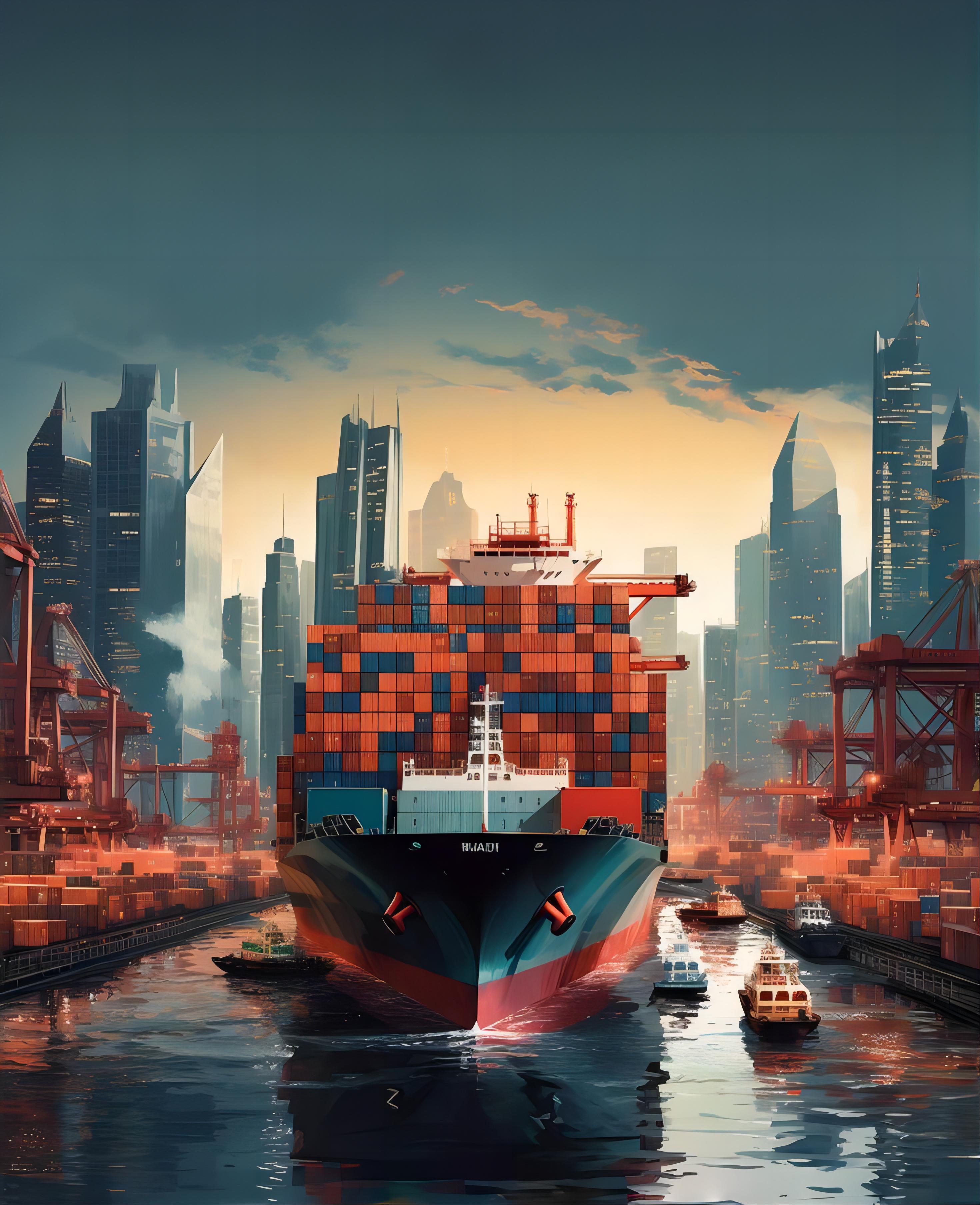
LCL shipping China France stands for Less than Container Load, a process where your cargo occupies only a portion of a standard shipping container. Specifically, sea freight providers group several small shipments from different customers into one 20-foot or 40-foot container. This consolidation happens at a Container Freight Station (CFS) before the vessel departs from major Chinese hubs like Shanghai or Shenzhen.
Furthermore, this method is ideal for shipments ranging from 1 to 15 cubic meters (CBM). Once the ship arrives at a French port such as Le Havre or Marseille, the container is moved to another CFS for decompression. During this stage, the individual shipments are separated and prepared for final delivery to their respective destinations across Europe.
Indeed, the primary benefit of this approach is that you only pay for the space your goods actually occupy. Shippers are charged based on the volume of their cargo, typically measured in cubic meters, rather than paying a flat rate for an entire container. Therefore, LCL remains the most cost-effective choice for businesses that do not have enough volume to fill a whole unit.
How Does LCL Shipping Compare to Other Shipping Options
Comparing different transport modes is essential for optimizing your logistics budget and meeting delivery deadlines. While LCL is highly economical, other methods like air or rail might be more suitable depending on your cargo type and urgency. For instance, shipping from China to Europe via rail offers a middle ground between the speed of air and the low cost of sea.
Moreover, Full Container Load (FCL) becomes more attractive once your shipment exceeds 15 CBM. At this volume, the cost of renting an entire container is often lower than the cumulative CBM rate of an LCL shipment. Shippers must also consider that FCL usually offers faster transit times because it avoids the consolidation and deconsolidation steps required for LCL.
Alternatively, if your goods are high-value or extremely time-sensitive, you might consider air transport despite the higher price tag. The following table provides an objective comparison of the primary shipping methods available for the China to France route.
| Shipping Method | Cost Range | Transit Time | Best For |
|---|---|---|---|
| Sea LCL | $80 – $160 per CBM | 30 – 45 Days | Small volumes, budget priority |
| Sea FCL | $2,800 – $4,200 per 40HQ | 28 – 35 Days | Large volumes, bulk goods |
| Rail Freight | $150 – $250 per CBM | 18 – 22 Days | Mid-range speed and cost |
| Air Freight | $4.50 – $8.00 per kg | 5 – 8 Days | Urgent, high-value cargo |
Key Benefits of Choosing LCL for China to France Routes
Choosing LCL shipping China France provides unparalleled flexibility for growing businesses. Instead of waiting until you have enough stock to fill a full container, you can ship smaller batches more frequently. This helps maintain a consistent flow of inventory and improves cash flow management by reducing the amount of capital tied up in stock.
Additionally, LCL services provide access to a vast network of ports and inland destinations. Most major freight forwarders offer comprehensive door to door solutions, handling everything from the factory floor in China to the warehouse in France. This end-to-end management reduces the administrative burden on your team and minimizes the risk of logistical errors.
Notably, the environmental impact of LCL is often lower per unit than air freight. By sharing container space, you contribute to a more efficient use of vessel capacity, which is a key consideration for companies focusing on sustainable supply chain practices. Consequently, LCL is not just a financial decision but also a strategic one for long-term growth.
Understanding LCL Shipping China France Costs and Fees
Calculating the total cost of LCL shipping China France requires an understanding of several different fee components. The base rate is usually quoted per CBM or per 1,000 kg, whichever is greater, known as the revenue ton. However, the ocean freight is only one part of the total landed cost you will encounter.
Origin charges in China include export customs clearance, trucking to the warehouse, and terminal handling fees. Similarly, destination charges in France cover port fees, deconsolidation costs, and final mile delivery. It is vital to work with a provider that offers transparent pricing to avoid hidden surcharges that can inflate your budget.
Furthermore, you must account for customs brokerage fees and applicable import duties. French customs apply VAT and duties based on the HS code of your products and their declared value. The table below illustrates the typical volume thresholds where shifting from LCL to FCL makes financial sense.
| Shipment Volume | Recommended Method | Cost Efficiency | Handling Complexity |
|---|---|---|---|
| 1 – 8 CBM | Sea LCL | Very High | Moderate |
| 9 – 14 CBM | Sea LCL or 20GP | Variable | Moderate |
| 15+ CBM | Sea FCL (20GP) | High | Low |
| 30+ CBM | Sea FCL (40GP/HQ) | Maximum | Low |
Price Disclaimer
Note: Freight rates are subject to change based on fuel costs, carrier capacity, and seasonal demand. Market data suggests that rates typically increase by 15 to 25 percent during the peak season from August to October. Contact us for a current quote tailored to your specific shipment.
Typical Transit Times and Route Options
Transit times for LCL shipping China France vary significantly based on the departure port and the specific vessel schedule. Generally, shipments from Southern China ports like Shenzhen or Guangzhou reach Marseille in approximately 28 to 32 days. In contrast, routes to Northern French ports like Le Havre or Dunkirk from Shanghai or Ningbo may take 35 to 40 days.
Specifically, the consolidation process adds about 5 to 7 days to the total timeline compared to FCL. This extra time is necessary for the freight forwarder to receive goods from various suppliers and pack them securely into the container. Shippers should factor in this buffer when planning their inventory replenishment cycles to avoid stockouts.
Meanwhile, choosing a direct service rather than a transshipment route can save several days. While transshipment through hubs like Singapore or Colombo might be cheaper, it increases the risk of delays and cargo handling damage. Therefore, selecting the right carrier and route is a balance between cost savings and time sensitivity.
| Origin Port (China) | Destination Port (France) | Direct Transit | Total Door-to-Door |
|---|---|---|---|
| Shenzhen | Marseille | 28 Days | 35 – 40 Days |
| Shanghai | Le Havre | 32 Days | 40 – 45 Days |
| Ningbo | Le Havre | 30 Days | 38 – 42 Days |
| Qingdao | Fos-sur-Mer | 35 Days | 45 – 50 Days |

Essential Documentation for Customs Clearance in France
Navigating the customs process is arguably the most critical step in LCL shipping China France. Without the correct paperwork, your goods could face lengthy delays or heavy fines at the French border. The primary document required is the Bill of Lading, which serves as a contract of carriage and a receipt for the goods.
In addition, you must provide a detailed Commercial Invoice and a Packing List. The invoice should clearly state the value of the goods, the currency used, and the Incoterms agreed upon with your supplier. The packing list must describe the contents of each carton, including dimensions and weight, to facilitate physical inspections by customs officers.
Accordingly, some products may require specific certificates, such as CE marking for electronics or phytosanitary certificates for agricultural products. Working with an experienced freight forwarder ensures that all documents are verified before the vessel arrives. This proactive approach minimizes the chances of your shipment being held for administrative discrepancies.
Which Option Should You Choose Decision Framework
Selecting the right shipping strategy depends on your specific business priorities and the nature of your products. If your primary goal is to minimize costs and your delivery window is flexible, LCL sea freight is undoubtedly the best choice. However, if you are launching a new product and need it in France within two weeks, air freight is the only viable solution.
For shipments that fall in the ‘grey zone’ between 10 and 15 CBM, we recommend requesting quotes for both LCL and a 20-foot FCL container. Sometimes, the added security and speed of a dedicated container justify the small price difference. Furthermore, consider hybrid solutions like sea-air if you need to balance speed and budget for high-value seasonal items.
Ultimately, the volume of your cargo and your budget constraints will dictate the final decision. Small businesses often start with LCL to test the market and then transition to FCL as their sales volumes grow. By analyzing your supply chain data, you can determine the most efficient shipping method for each unique order.
Real Case Studies Successful LCL Shipments
Case Study 1: Electronics from Shenzhen. Route: Shenzhen, China to Le Havre, France. Cargo: Computer peripherals, 5 CBM, 1,200 kg. Shipping Details: Major carrier, Port of Loading: Shenzhen, Route Type: Direct. Cost Breakdown: Ocean Freight $450, Origin Charges $220, Destination Charges $380, Customs $150. Total Landed Cost: $1,200. Timeline: 5 days booking, 32 days sea transit, 3 days customs. Total: 40 days. Key Insight: By using LCL, the client saved $2,500 compared to air freight while maintaining a healthy stock level.
Case Study 2: Home Decor from Ningbo. Route: Ningbo, China to Marseille, France. Cargo: Textiles and ceramics, 8 CBM, 2,000 kg. Shipping Details: Major carrier, Port of Loading: Ningbo, Route Type: Transshipment via Singapore. Cost Breakdown: Ocean Freight $720, Origin Charges $300, Destination Charges $450, Customs $200. Total Landed Cost: $1,670. Timeline: 4 days booking, 35 days sea transit, 2 days customs. Total: 41 days. Key Insight: Despite the transshipment, the shipment arrived on time due to early booking and precise documentation management.
As of early 2025, market intelligence indicates that freight rates from China to Europe have stabilized following the disruptions of 2024. Importers are now seeing more predictable schedules and competitive LCL pricing across all major Chinese ports. However, it remains essential to book at least two weeks in advance to secure space on the most reliable vessels.
Final Thoughts on LCL Shipping China France
Mastering LCL shipping China France is a game-changer for businesses looking to expand their international reach without excessive logistics costs. By understanding the consolidation process, comparing alternative shipping methods, and preparing accurate documentation, you can ensure a smooth importing experience. Furthermore, partnering with a reliable freight forwarder allows you to focus on growing your business while the experts handle the complexities of ocean transport.
Indeed, the flexibility and cost-efficiency of less than container load services make it the preferred choice for a wide range of industries. Whether you are importing electronics, textiles, or industrial parts, LCL provides a scalable solution that grows with your company. Start planning your next LCL shipping China France shipment today to take advantage of the current market stability and competitive rates.
Ready to streamline your logistics?
Ready to optimize your supply chain with professional LCL shipping China France? Contact Top Freight Ltd today to receive a customized quote and expert guidance for your next shipment. Visit our website to learn more about our comprehensive logistics solutions.
Request Quote